iAspirants
Current AffairsPrelims PYQsUPSC CSE SyllabusUPSC CSE StrategyBlogsPricing
Login
iAspirants

Your AI-powered companion for UPSC preparation.

Quick Links

  • Home
  • About Us
  • Current Affairs
  • Prelims PYQs
  • UPSC CSE Syllabus
  • UPSC CSE Strategy
  • Blogs

Company

  • Pricing
  • FAQs
  • Contact Us
  • Login

Legal

  • Privacy Policy
  • Terms & Conditions
  • Return Policy

© 2026 iAspirants, Inc. All rights reserved.

  1. Blogs
  2. Economic and Social Development

India Extends Export Relief Scheme

Published on: 27-Oct-2026

Source: Indian Express

Share this post

India Extends Export Relief Scheme

Article Summary

Export Relief Scheme Extension

  • Ministry Involved: Commerce and Industry Ministry
  • Scheme Duration: Extended until March 31, 2027
  • Initial Launch: March 2026
  • Scheme Name: Part of the Export Promotion Mission (EPM)
  • Target Region: West Asia, including UAE, Saudi Arabia, Kuwait, Qatar, Oman, and Iran.

Key Features of the Relief Scheme:

  • Compensation: Export Credit Guarantee Corporation of India (ECGC) provides up to 100% compensation for war-related and associated political risks.
  • Premium Rates: Frozen at pre-disruption levels for the scheme's duration.
  • Risk Coverage: Offers 95% risk cover for upcoming shipments to specified regions.
  • Policy Types: Covers Standalone Policies and Whole Turnover Policies starting from March 16, 2026.
  • Eligible Cargo: Full Container Load (FCL), Less than Container Load (LCL), and refrigerated containers (excludes energy shipments).

Export Performance Data

  • Struggling Sectors: Low-margin exports, specifically agricultural commodities, alongside high freight costs and port congestion.
    • Garments Exports: Declined by 6% (April-September 2026 vs. 2025).
    • Edible Items Declines: Fruits (9.6%), Vegetables (13.6%), Tea (5.7%), Oil Meals (26%).
    • Rice Exports: Growth of only 2.5%, significant as rice is a major export to West Asia.

Economic Context

  • General Export Trends:

    • Exports to the UAE dropped nearly 11%, totaling $16.7 billion in the first half of FY27.
    • Saudi Arabia: decline of 5.3%, totaling $4.7 billion.
    • Iraq: significant decline of 49.6% to $836 million.
    • Exports to Qatar, Kuwait, and Iran saw drops of 34%, 37.5%, and 37.5% respectively.
  • Growth in Specific Markets:

    • Exports to Oman surged by 47.4% post-India-Oman Free Trade Agreement (FTA), reaching $3.28 billion.

Global Trade Insights

  • World Trade Organization (WTO) Outlook:
    • 2026 total trade volume growth for Asia projected at 9.9%.
    • Negative outlook for the Middle East with a contraction expected at -17.2%.
    • World GDP growth forecast at 2.6%, regional distributions vary, with Asia (4.3%) and Africa (4.1%) leading.

Maritime Transport Changes

  • Due to regional conflicts, maritime transport has been reorganized:
    • Jebel Ali port in UAE experienced a 60% decrease in container throughput in the first half of 2026, with a notable decline of 90% in Q2.
    • Contrarily, ports in Oman and Saudi Arabia reported increases in throughput, indicating a shift in trade patterns.

Summary:

The Commerce Ministry’s extension of the exporter relief scheme aims to stabilize Indian exports amid ongoing geopolitical disruptions in West Asia, while addressing rising operational costs and facilitating better coverage for exporters’ risks. However, exports remain under pressure, particularly in low-margin sectors like agriculture, with varying performance observed in target markets. The international trade environment shows significant regional disparities, influenced heavily by the ongoing conflicts impacting Middle Eastern economies.

Key Terms & Concepts

Export Promotion Mission (EPM)Promotes Indian exports
Export Credit Guarantee Corporation of India (ECGC)Provides risk coverage
March 2027New scheme deadline
10 countriesEligible under relief scheme
UAE, Saudi Arabia, Kuwait, Qatar, Oman, IranKey export destinations
100%Maximum risk compensation
Component II of RELIEFEncourages ECGC cover
March 16, 2026Date for policy eligibility
April to September 2026Period of export decline
6%Decline in garment exports
9.6%, 13.6%, 5.7%, 26%Decline in edible item exports
2.5%Growth in rice exports
11%

Mind Map for UPSC Civil Services Revision

Turn UPSC Civil Services Current Affairs Into Exam-Ready Notes

Reading Economic and Social Development current affairs is half the work. Revise them with ready-made notes and test what actually stuck.

  • Daily UPSC Civil Services current affairs analysis
  • Revision notes, mind maps & MCQs
  • Prelims mock tests with instant results

Related UPSC Civil Services Current Affairs Articles

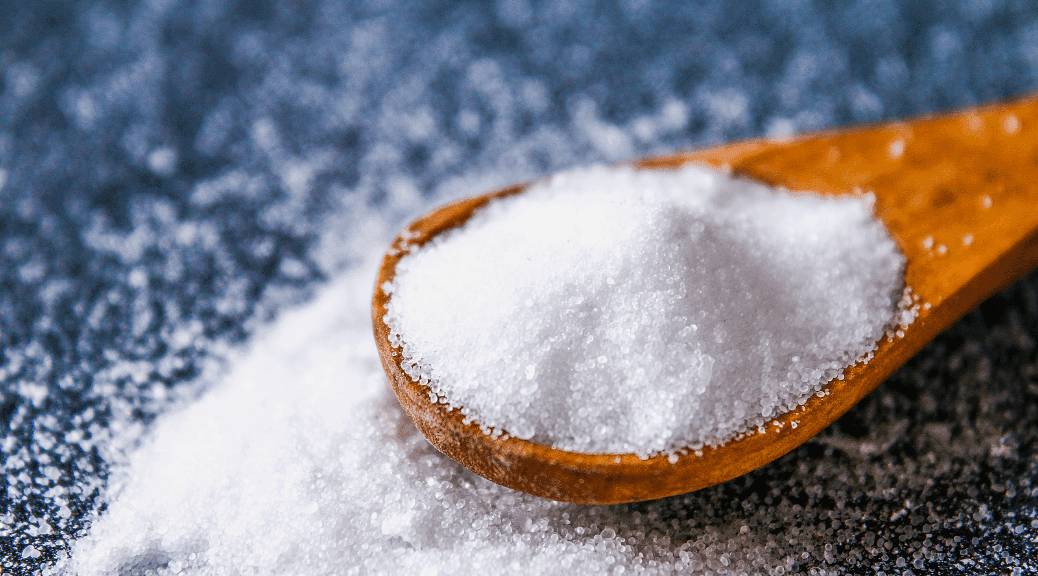
Combating Anaemia with Double Fortified Salt
Economic and Social Development27-Oct-2026

Combating Anaemia with Double Fortified Salt

Exam-Focused Notes on Anaemia Mukt Bharat and Double Fortified Salt

Public Health Challenge:

  • Anaemia in India affects over 50% of women and nearly 75% of children.
  • It leads to maternal mortality, malnutrition, cognitive impairment, reduced productivity, and economic losses.
Decline in exports to UAE
$16.70 billionExports to UAE
$4.70 billionExports to Saudi Arabia
210%Increase in imports from Oman
WTO ReportPredicts trade growth
9.9%Predicted trade growth in Asia
60%Drop in Jebel Ali throughput
4.0%Expected GDP drop in Middle East

Government Initiative:

  • The Anaemia Mukt Bharat (AMB) strategy is launched as a comprehensive approach including prevention, screening, treatment, dietary diversification, and behaviour change.
  • It aims to combat the multifactorial nature of anaemia.

Key Intervention: Double Fortified Salt (DFS)

  • DFS: Salt fortified with both iodine and iron.
  • Daily consumption by virtually every household makes it a viable prevention tool against iron deficiency.
  • Addresses compliance challenges of other interventions like iron supplementation.

Evidence and Success Rates:

  • Global reviews indicate DFS can reduce anaemia prevalence by up to 21%.
  • Trials in Bengaluru, Darjeeling, Punjab, and implementations in Uttar Pradesh show significant improvements in iron status with consumer acceptance.
  • Cost-effective with an estimated annual cost of ₹14-₹20 per person, yielding a benefit-cost ratio of 4.2:1.

Government Policies and Guidelines:

  • FSSAI has issued standards for DFS.
  • DFS is mandated for inclusion in national programs:
    • PM POSHAN (midday meal scheme)
    • ICDS (Integrated Child Development Scheme)

Implementation Status and Challenges:

  • DFS currently reaches about 76 million people through safety-net programs.
  • Significant barriers to wider adoption are primarily institutional rather than technical.
  • Essential for DFS to integrate into the Public Distribution System (PDS) to service around 800 million beneficiaries effectively.

Recommendations for Policy Commitment:

  • Increased financing and quality assurance needed.
  • Enhanced commercial availability and public awareness to facilitate geographical dissemination.
  • DFS should complement ongoing strategies against anaemia and align with sodium reduction goals.

Regulatory Framework:

  • Implementation must follow a robust regulatory framework to support the health initiatives.
  • Continued monitoring for diseases like thalassaemia and sickle cell disease alongside DFS roll-out.

Overall Vision:

  • The revised AMB strategy encourages a strengthened preventive health response towards achieving the vision of Viksit Bharat 2047.
  • India's past successes in universal iodization serve as a model for scaling up DFS, positioning India as a leader in global iron deficiency reduction efforts.

Conclusion:

The systematic approach underlined by the AMB strategy and the integration of DFS into health policies could significantly enhance the nutritional status of the Indian population, addressing a crucial public health concern effectively.

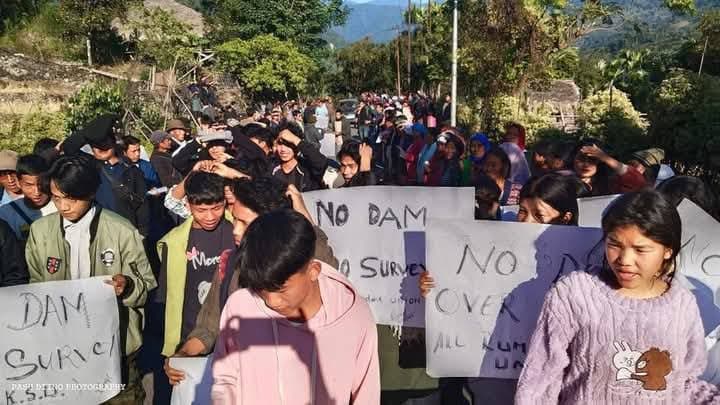
Protests Erupt Over Siang Dam Project
National and International Importance26-Oct-2026

Protests Erupt Over Siang Dam Project

Exam-Focused Notes on Siang Dam Protests in Arunachal Pradesh

Key Facts:

  • Location: Pasighat, East Siang District, Arunachal Pradesh.
  • Project: Siang Upper Multipurpose Project (SUMP) proposed capacity of 11,200 MW by NHPC Limited.
  • Protests: Recent violent protests against the dam; security measures in place, with law enforcement using tear gas against demonstrators.

Constitutional References:

  • Restrictions on public gatherings enforced under Section 163 of the BNSS.

Government Policies & Schemes:

  • Corporate Social Responsibility (CSR): NHPC has spent Rs 16.61 crore on the Siang district administration and Rs 94.29 crore in Upper Siang for CSR activities.
  • Public relations campaign engaged to counter negative perceptions of the project during a Rs 10.91 crore contract with Concept Public Relations. The aim was to promote development opportunities related to the project.

Judicial References:

  • No specific judicial pronouncements reported, but local governance and responses highlight administrative action post-violence.

Economic Indicators:

  • The dam project is positioned as a strategic response to water security concerns, particularly regarding China's upstream dam activities. The state government claims it is a focal point of national importance.

International Context:

  • The proposed dam is linked to broader national security issues in response to international developments, particularly related to neighboring China.

Environmental Concerns:

  • Opposition from the Siang Indigenous Farmers' Forum (SIFF) due to fears of submergence, displacement, and environmental degradation. Concerns raised include loss of livelihoods, ancestral lands, and agricultural viability along riverbanks.

Community Engagement:

  • NHPC initiated extensive community outreach involving village elders, NGOs, and local influencers, reflecting attempts to build a narrative around the project while addressing misinformation.

Political Landscape:

  • Mixed sentiments among stakeholders: While some government officials claim that 85% of residents support the project, significant local opposition persists, emphasizing a lack of trust and consultation with the affected communities.

Notable Statements/Actions:

  • Chief Minister Pema Khandu emphasized the need for accurate information to mitigate fears surrounding the dam project and asserted that misinformation contributes to unrest.
  • Local MLA Ojing Tasing suggested that unrest is politically motivated, promoting the view that the majority support the project, contrasting local accounts of resistance.

Societal Impact:

  • Residents express deep dependence on riverbank resources for agriculture and livestock, indicating significant socio-economic implications if the dam proceeds.

Historical Context:

  • The proposed dam project is still in the pre-feasibility survey stage, and local opposition has been longstanding, underscoring the historical grievances and land rights issues in the region.

Summary:

The protests against the Siang dam in Arunachal Pradesh illustrate a complex interplay of economic development, environmental concerns, cultural identity, and local governance. The government, while asserting support for the hydroelectric project, faces significant challenges in addressing the fears and objections of the indigenous populations affected by it.

US Pushes India for Venezuelan Oil
International Relations24-Oct-2026

US Pushes India for Venezuelan Oil

Summary Notes on US-India Oil Import Dynamics and Venezuelan Oil

Key Facts and Data

  • US Encouragement: The US is urging India to increase imports of Venezuelan oil, particularly through Reliance Industries Ltd (RIL), which operates the largest single-location refinery in Jamnagar, Gujarat.
  • Venezuelan Oil: The oil is uniquely heavy and sulfurous, making it suitable for processing at RIL's complex, which can handle around 1.4 million barrels per day (bpd).
  • Current Imports: India’s Venezuelan oil imports peaked at 350,000 bpd in August 2026, then decreased to 200,000 bpd in September 2026.
  • Contribution: Reliance accounted for 74.3% of India's Venezuelan crude imports (worth $3,585.6 million from April to August 2026).
  • Major Suppliers: Other refiners like Indian Oil and Hindustan Petroleum also import Venezuelan crude but to a lesser extent (11.7% and 11.3% respectively).

Economic Indicators

  • Pricing Challenges: Venezuela's Merey grade oil is priced at $25 per barrel lower than Brent, but shipping costs to India offset that advantage, making Venezuelan oil less competitive.
  • Competition: The return of heavier crude grades from Iraq, which are closer and cheaper to ship, may hinder Venezuelan crude's market share in India.

Constitutional and Policy Context

  • Geopolitical Dynamics: The US aims to redirect Venezuelan crude to strengthen its market after years of sanctions, while India seeks to diversify its energy sources amidst pressures regarding its Russian oil imports.
  • Russian Oil Dynamics: India has significantly increased oil imports from Russia to 1.9 million bpd (over 35% of total oil imports in September 2026), influenced by substantial discounts post-Ukraine invasion.

Judicial and Committee Insights

  • GTRI Report: The Global Trade Research Initiative highlighted the need for India to distinguish between increasing Venezuelan oil imports and reducing reliance on Russian supplies.

International Relations

  • Strategic Allies: The US waiver of potential tariffs on Russian energy buyers aims to prevent inflation impacts ahead of midterm elections, showcasing a flexibility in US policy to maintain its relationship with India as a strategic partner.
  • Venezuelan Oil as a Supplement: Experts indicate that Venezuelan oil will not replace Russian supplies but can serve as an alternative in India's broader diversification strategy involving over 40 supplying countries.

Government Schemes and Energy Policies

  • Import Diversification Strategy: India continues to diversify its oil sources in response to market conditions and geopolitical pressures, exploring genuine engagement with alternative suppliers rather than succumbing to external pressures.

By maintaining a strong refining capacity, India can play a pivotal role in absorbing Venezuelan crude, yet systemic challenges remain in terms of economics, reliable supply, and geopolitical implications of shifting energy sources.