iAspirants
India Introduces New Waste Management Rules
Published on:
Share this post
Article Summary
Summary of the Solid Waste Management (SWM) Rules, 2026
Introduction
- New Regulation: The Union Ministry of Environment, Forest and Climate Change announced the Solid Waste Management (SWM) Rules, 2026, set to replace the SWM Rules of 2016 effective April 1, 2026.
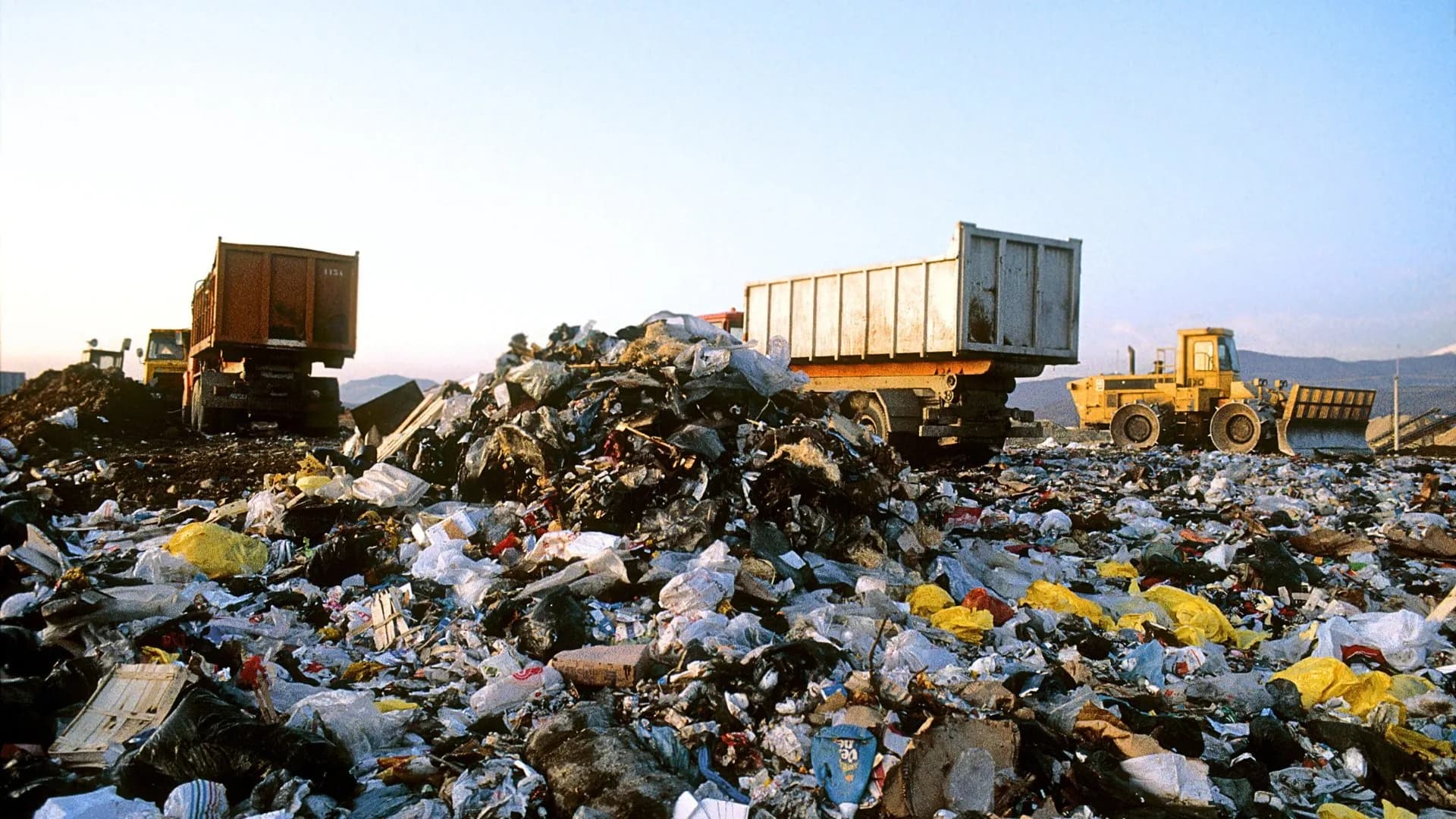
- Aim: Addresses India's solid waste crisis, with over 620 lakh tonnes generated annually (around 1.85 lakh tonnes per day).
Key Features of SWM Rules, 2026
Framework Overhaul: Enhances responsibilities of bulk waste generators, encourages reduction, reuse, recycling, and promotes a circular economy.
Waste Segregation System:
- Introduces “Four-Way Segregation”:
- Categories: (1) Dry Waste, (2) Wet Waste, (3) Sanitary Waste (e.g., sanitary towels), (4) Special Care Waste (e.g., medicines, paint cans).
- Urban local bodies are mandated to implement effective bins for segregation.
- Introduces “Four-Way Segregation”:
Definition of Bulk Generators:
- Entities with:
- Floor area of 20,000 sq meters or more,
- Water consumption of 40,000 litres/day,
- Waste generation of 100 kg/day.
- Includes residential societies, malls, hotels, and educational institutions.
- Entities with:
Polluter Pays Principle:
- Imposes environmental compensation for non-compliance (e.g., false reporting, unauthorized waste management).
- Higher landfill fees for mixed waste disposal to discourage poor segregation.
Centralized Tracking System:
- Mandatory registration on an online portal for stakeholders involved in waste management.
- Stakeholders include bulk generators, urban local bodies, and waste processing facilities.
Accountability Measures
- Bulk generators must comply with waste segregation and management through a central portal.
- They must file annual returns detailing waste quantities and must engage in source segregation and processing.
Landfill Management
- Landfills are to become the last resort for waste disposal exclusively for unusable and non-recyclable materials.
- Mapping of legacy landfills required by October 31, 2026, with plans for bioremediation and biomining.
- Emphasis on utilizing waste with calorific value (>1500 kcal) for energy recovery in cement and thermal plants.
- Target for industries is to replace solid fuel with refuse-derived fuel starting at 6% up to 15% within six years.
Statistical Overview (2023-24 Data)
- Waste Generation: 620 lakh tonnes yearly (~1.85 lakh tonnes daily).
- Collection: 1.79 lakh tonnes collected daily.
- Processing/Treatment: 1.14 lakh tonnes processed.
- Landfilling: 39,629 tonnes landfilled per day.
Implications
- The SWM Rules, 2026 are designed to mitigate environmental impacts, enhance waste management efficiency, and foster sustainable urban development through comprehensive regulations and community involvement.
This complete overhaul signifies a significant shift in India's approach towards solid waste management, prioritizing environmental conservation and community accountability.
Key Terms & Concepts
| Solid Waste Management Rules, 2026 | New regulations for waste management |
| 630 lakh tonnes | Annual waste generated in India |
| 1.85 lakh tonnes | Daily waste generated |
| 1.79 lakh tonnes | Daily waste collected |
| April 1, 2026 | Enforcement date of new rules |
| Waste hierarchy | Framework for waste management |
| Bulk generators | Entities responsible for waste segregation |
| Central Pollution Control Board | Guideline preparation authority |
| Environmental compensation | Penalty for non-compliance |
| Bioremediation | Method to reduce waste |
| Refuse-derived fuel | Energy generation from waste |
| October 31, 2026 | Deadline for mapping landfills |