iAspirants
India-Japan Cooperation in Indo-Pacific
Published on:
Share this post
Article Summary
India-Japan Cooperation Highlights
Visit of Japanese Prime Minister Sanae Takaichi
- Date: Scheduled for July 1-3, 2026
- Significance: First official visit to New Delhi as Prime Minister, marking the 20th annual summit between India and Japan.
Key Focus Areas
Indo-Pacific Cooperation:
- Emphasis on maintaining a Free and Open Indo-Pacific, reflective of Japan's updated policy introduced in May 2026 and earlier frameworks by former PM Fumio Kishida.
- Strategic partnership against regional tensions, particularly involving China.
Economic Safety and Technology Collaboration:
- Anticipated announcement of a joint declaration on economic safety and a joint statement on AI cooperation.
- Exploration of MoUs in various sectors, notably:
- Energy resilience
- Biogas
- Exploration of critical minerals, including batteries and pharmaceuticals.
Mobility Partnerships:
- Discussion on the Next Gen Mobility Partnership, aligning with India's outreach in mobility-focused collaborations.
Economic and Strategic Agreements
MoUs Under Discussion:
- Energy resilience agreements to mitigate risks similar to past oil crises, notably after the Strait of Hormuz blockade.
- Other areas involve upstream development and critical technologies.
Business Engagements:
- PM Takaichi's address to a business meeting with over 100 Japanese businesspersons in New Delhi.
Green Ammonia Project:
- Collaboration in Odisha, focusing on sustainable energy initiatives involving Japanese assistance.
Military and Security Cooperation
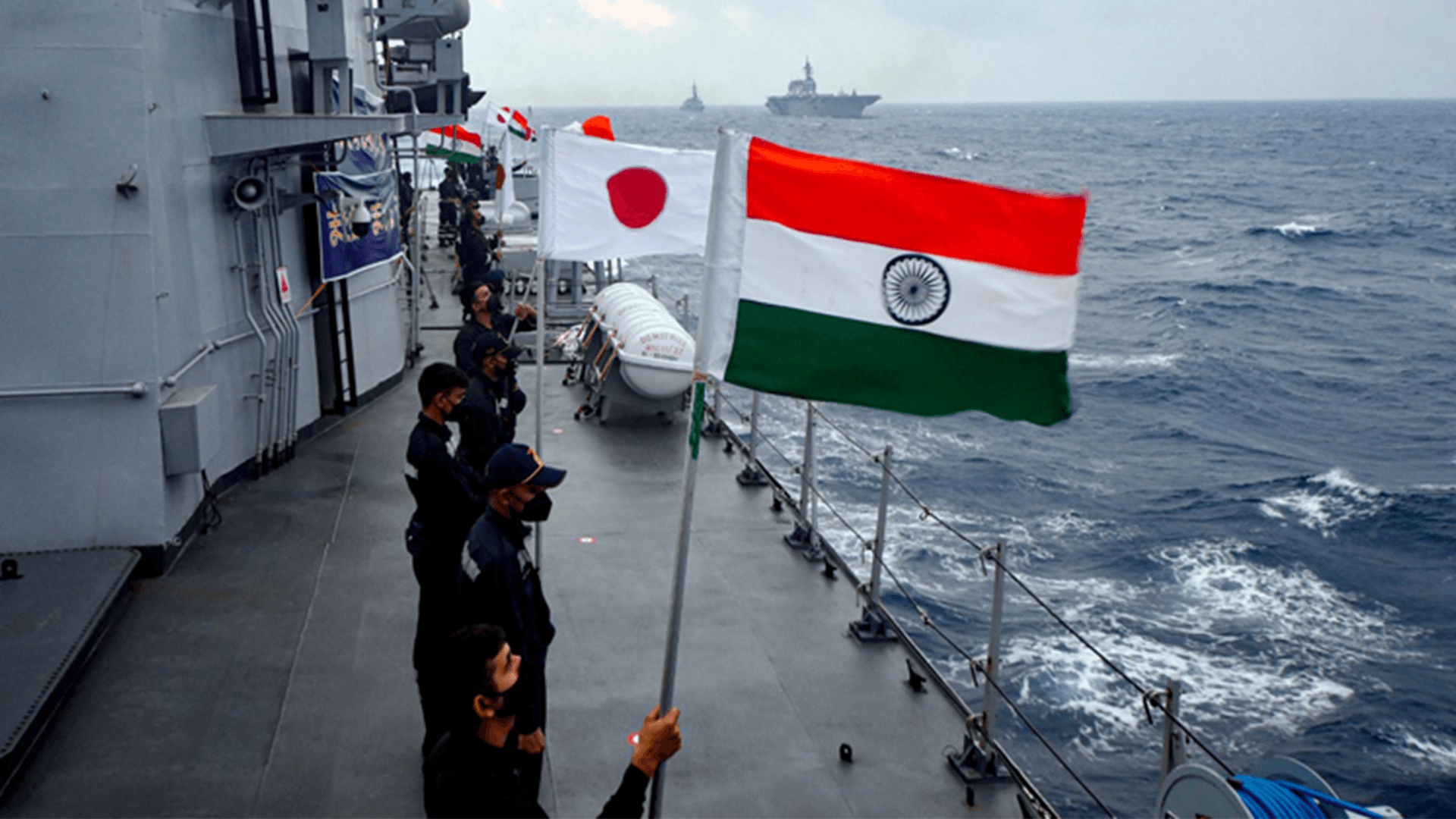
- Strengthened defense collaboration, highlighted by the Indian Navy refueling operational vessels of the Japan Maritime Self Defence Forces (JMSDF) in the Arabian Sea.
- Plans for further naval engagements to enhance maritime security.
Constitutional and Policy References
- The emphasis on the rule of law aligns with India's commitment under the Preamble of the Constitution, focusing on justice and promoting international harmony.
- Cooperation agreements are likely to reflect provisions under Article 51 (Promotion of international peace and security).
Economic Context
- Ongoing shifts in energy policy and security strategies driven by geopolitical instability in the Persian Gulf, suggesting a need for diversified energy sources and strategic reserves in bilateral relations.
- Enhanced trade and investment flows are anticipated through signed MoUs.
International Context
- The backdrop of increasing instability in the Persian Gulf underlines the urgency of these bilateral discussions.
- Japan's "Indo-Pacific Policy" seeks to strengthen its role and partnership with key nations amidst global challenges.
Summary
- Japanese PM Sanae Takaichi's visit is pivotal for deepening India-Japan ties, focusing on critical technologies, economic safety, and energy resilience. Enhanced military collaboration amid regional tensions is also a significant aspect of the discussions. This visit demonstrates both nations' commitment to a stable and secure Indo-Pacific region while furthering economic and technological partnerships.
Key Terms & Concepts
| Indo-Pacific | Area of cooperation focus |
| Free and Open Indo Pacific | Policy direction from Japan |
| joint declaration on economic safety cooperation | Expected formal agreement |
| artificial intelligence | Field of cooperation |
| Next Gen Mobility Partnership | Mobility-focused collaboration |
| Green Ammonia Project | Project with Japanese assistance |
| JMSDF | Japan Maritime Self Defence Forces |
| energy resilience | Key discussion point |
| Strait of Hormuz | Notable oil crisis location |
| Persian Gulf | Region of instability |
| MoU on biogas | Agreement for energy project |
| Ministerial visit | High-level diplomatic engagement |