iAspirants
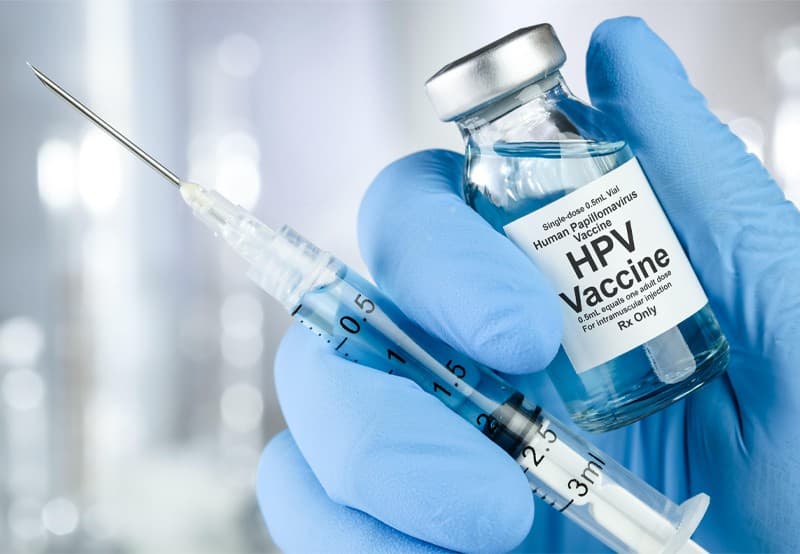
India Launches HPV Vaccination Programme
Published on:
Share this post
Article Summary
Summary Notes: HPV Vaccination Launch in India
Public Health Initiative:
- On February 28, India launched a nationwide vaccination program for Human Papillomavirus (HPV) targeting adolescent girls, marking a significant commitment to eliminate cervical cancer.
Cervical Cancer Statistics:
- Cervical cancer is the fourth most common cancer among women globally, with approximately 660,000 new cases and 350,000 deaths annually.
- India's cervical cancer incidence is notable: over 78,000 new cases and around 43,000 deaths are reported each year.
- Cervical cancer is the second most common cancer among Indian women.
Risk Factors:
- Primary risk factors include early marriage, early sexual activity, multiple pregnancies, tobacco use, and poor genital hygiene.
- These factors are potentially modifiable through awareness programs, vaccination, and improved screening.
WHO Guidelines:
- The World Health Organization (WHO) has identified cervical cancer as the first cancer to aim for elimination globally, with the target of reducing its incidence to fewer than 4 new cases per 100,000 women annually.
- The WHO's "90–70–90" strategy:
- 90% of girls vaccinated by age 15.
- 70% of women screened by age 30.
- 90% of women with disease treated successfully.
Vaccination Program Details:
- HPV vaccination has a strong safety record, predominantly causing mild side effects.
- The vaccine has been in use for over 20 years and has undergone extensive safety evaluations.
- Studies indicate that even a single dose of the HPV vaccine provides long-term protection against cervical cancer.
Global Implementation:
- Over 140 countries have implemented HPV vaccination programs.
- Evidence supports that improved awareness and vaccination can notably decrease cervical cancer rates.
Urban vs. Rural Disparity:
- Cervical cancer control progress has been uneven; urban areas show some decline due to better hygiene, while rural areas remain underserved.
Challenges Ahead:
- Past experiences from other nations indicate that without consistent vaccination coverage, cervical cancer cases can resurge.
- Sustainable efforts are required to ensure widespread vaccination to prevent the resurgence of cervical cancer.
Implications:
- The HPV vaccination initiative, combined with enhanced screening and treatment access, is crucial for reducing cervical cancer incidence in India. It is both a scientific and ethical imperative to improve public health outcomes for women.
Conclusion:
The HPV vaccination program launched in India aims to significantly address the burden of cervical cancer through prevention and awareness, aligning with global health strategies to eliminate this disease.
Key Terms & Concepts
| February 28 | Date of vaccination launch |
| WHO | Global health organization |
| Cervical cancer | Preventable disease targeted |
| HPV vaccine | Key vaccine for prevention |
| 6,60,000 new cases | Global annual cervical cancer cases |
| 43,000 deaths | Annual deaths in India |
| 90–70–90 strategy | WHO elimination strategy |
| Tata Memorial Centre | Research institution involved |
| Over 140 countries | Global vaccination implementation |
| 20 years | Time since vaccine licensure |
| Long-term protection | Vaccine effectiveness evidence |
| Urban areas | Classification of cancer decline |