iAspirants
India Proposes WTO Reforms for Plurilaterals
Published on:
Share this post
Article Summary
Summary Notes on India’s Position on WTO Plurilateral Agreements
Constitutional References & Legal Framework:
- The discussions are framed around existing rights and obligations under the WTO (World Trade Organization) framework, particularly concerning developing nations like India.
India’s Proposal on WTO Reforms:
- India submitted a reform proposal seeking an avenue to include plurilateral agreements within the WTO structure.
- Plurilateral agreements are collectively negotiated by a subset of WTO members rather than adopted by all, raising concerns about their impact on developing nations.
Key Concerns Raised by India:
- Emphasis on "special and differential treatment" in negotiations to safeguard the interests of developing nations and prevent their marginalization.
- Concerns about the resource allocation of the WTO, particularly that plurilateral initiatives could divert necessary funding from critical areas like technical assistance and capacity building.
- New Delhi articulated that non-participation in plurilateral agreements should not disadvantage non-participating members within the realm of WTO activities.
Economic Context:
- The Investment Facilitation for Development (IFD) proposal, initiated by the WTO in 2017 to increase Foreign Direct Investment (FDI) flows, garnered criticism from India for potentially undermining core WTO principles.
- Approximately 129 members of the WTO support the IFD, yet India remains a significant holdout, citing systemic risks associated with this initiative.
International Context:
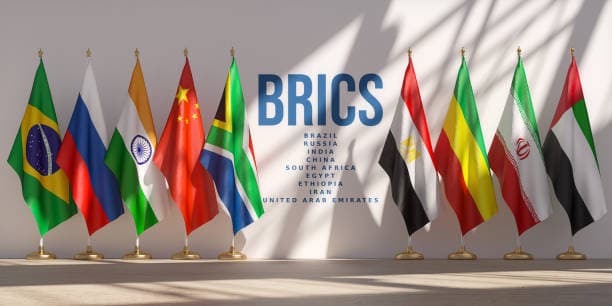
- BRICS Summit Outcome: India’s shift in stance followed discussions at the recent BRICS summit, where members acknowledged the need for clearer pathways for plurilateral initiatives within the WTO framework.
- After bilateral exchanges with China, the New Delhi Declaration emphasized the need for development-focused rules in the WTO.
Global Opposition:
- Canada's opposition to India’s rejection of plurilateral agreements highlights differing perspectives within the WTO, with some member states encouraging India to participate in dialogues surrounding agreements such as fossil fuel subsidy reforms and plastic pollution initiatives.
Implications for Trade Policy:
- India aims to foster good-faith discussions under the WTO Reform Agenda, seeking comprehensive dialogue about plurilateral agreements and their role within the multilateral trading system.
Conclusion:
- India's position represents a cautious approach, balancing the need for reform and engagement within the WTO while staunchly defending its developmental priorities and economic interests, particularly against pressures from developed nations advocating for broader plurilateral negotiations.
Key Terms & Concepts
| World Trade Organisation (WTO) | International trade governing body |
| Plurilateral agreements | Trade agreements among select countries |
| New Delhi Declaration | BRICS members' joint statement |
| Investment Facilitation for Development (IFD) | Proposed plurilateral trade pact |
| Foreign Direct Investment (FDI) | Capital investment from foreign entities |
| 2017 | Year IFD was launched |
| Canada | Country opposing India's stance |
| European Union (EU) | Regional bloc recommending reconsideration |
| 129 members | Countries supporting IFD |