iAspirants
India Strengthens Ties with Global South
Published on:
Share this post
Article Summary
Summary of India's Engagement with the Global South at the UNGA
International Relations and Engagements:
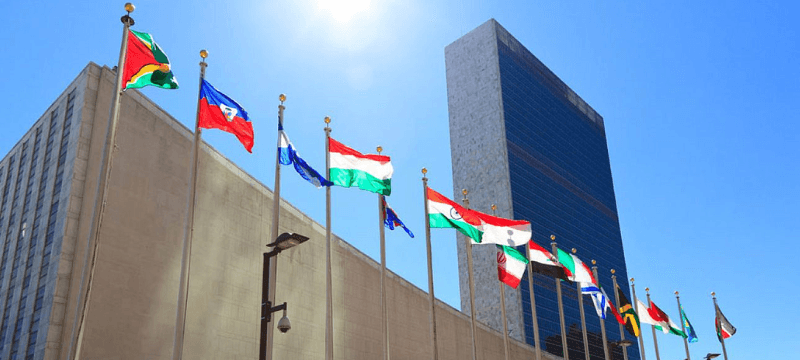
- UNGA High-Level Week: India, represented by External Affairs Minister S. Jaishankar, focused heavily on strengthening ties with developing nations during the United Nations General Assembly (UNGA).
- Bilateral Meetings: Over half of Jaishankar's 30 bilateral meetings were with Foreign Ministers from the Global South, indicating India's strategic alignment with developing nations.
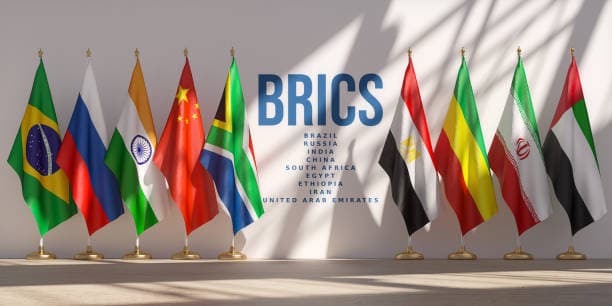
- Multilateral Consultations: Key group meetings hosted included BRICS, IBSA (India-Brazil-South Africa), India-CELAC (South America), India-SICA (Central America), FIPIC (Pacific Island countries), L-69 (developing countries), and C-10 (African Union representatives).
Key Issues Addressed:
- Critique of Israel's Actions: India shifted its stance by supporting robust criticisms of Israel's campaign in Gaza, marking a departure from its prior neutral position.
- Disappointment with U.S. Policies: Jaishankar highlighted concerns over U.S. trade policies, including tariffs affecting Indian goods, and criticized the lack of substantive engagement with the Global South by global superpowers.
Economic Indicators:
- U.S. Trade Actions: New tariffs of 50% on Indian goods were introduced alongside restrictions affecting Indian professionals. The U.S. Secretary of Commerce signaled intentions to “fix India” regarding market access.
- India's Priorities: Jaishankar emphasized global issues facing the Global South: energy security, food security, trade practices, and tariff volatility.
Constitutional and Strategic Commitment:
- UN Security Council Reform: India's Permanent Mission (PMI) expressed dissatisfaction with stagnant progress on UN Security Council reform, underscoring its aspirations for a more representative global governance structure.
Policy Priorities:
- Resource Management: Emphasized the need for addressing the acute challenges faced by resource-stressed nations, hinting at varying global commitments from developed countries.
- Engagement with Global South: The PMI reiterated commitment to actively represent and advocate for interests of the Global South, focusing on climate finance, development financing, and coordination with entities like:
- Landlocked Developing Countries (LLDCs)
- Least Developed Countries (LDCs)
- Small Island Developing States (SIDs)
Major Statements and Resolutions:
- Joint statements from BRICS and IBSA emphasized grave concerns regarding the Gaza situation, condemning Israeli military actions.
- This departure towards a more critical stance represents a significant shift in India's international diplomacy as it works to position itself as a leader among developing nations.
Conclusion:
India's active participation during the UNGA reflects its renewed focus on the Global South, emphasizing its role in advocating for the developmental needs and challenges of emerging economies. This aligns with its broader strategy of fostering international partnerships and addressing global imbalances in trade, security, and development policies.
Key Terms & Concepts
| United Nations | Platform for discussions |
| BRICS | Multilateral grouping participation |
| IBSA | Partnership with Brazil and South Africa |
| CELAC | Connection with South American countries |
| SICA | Involvement with Central American countries |
| FIPIC | Collaboration with Pacific Island countries |
| L-69 | Representation of developing countries |
| C-10 | African Union representation |
| UN Security Council | Discussion on reform issues |
| Gaza | Critical conflict for Global South |
| Ukraine | Conflict impacting Global South |
| Permanent Mission of India | Advocacy for Global South concerns |
| 40-point priority paper |