iAspirants
India-UK Trade Agreement Insights
Published on:
Share this post

Article Summary
Summary of the India-United Kingdom Comprehensive Economic and Trade Agreement (CETA)
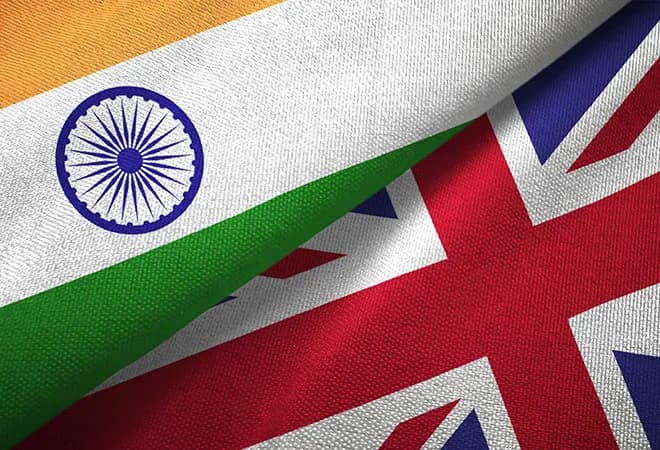
The Comprehensive Economic and Trade Agreement (CETA) between India and the United Kingdom was signed on July 26, 2025, symbolizing a significant bilateral trade initiative between two large economies. Here are the key elements and implications of the agreement:
Trade Liberalization: The U.K. has agreed to provide India with duty-free access to approximately 99% of its tariff lines, enhancing India’s export potential significantly. Conversely, India has reciprocated by opening around 90% of its tariff lines to duty-free imports from the U.K., although it has excluded key agricultural products such as dairy products, apples, oats, and edible oils from this deal.
Professional Visa Quotas: The treaty includes provisions related to the movement of professionals, but the U.K. has adopted a conservative stance, offering only 1,800 visas annually for specific professional roles, including yoga instructors and classical musicians. This limitation does not extend to broader categories such as business visitors or IT professionals, which India had sought to include.
Automobile Imports: India has committed to a substantial reduction of import duties on automobiles by 100 percentage points over the coming decade. This measure is structured around a graded quota system allowing the domestic industry to adjust gradually to increased competition.
Economic Implications: While the immediate impact may be limited at a macro level, specific sectors such as agriculture, textiles, leather, and chemicals are expected to experience substantial gains. The agreement positions the U.K. as a potential gateway for Indian goods destined for Europe, expanding India's presence in the European market.
Investment Potential: The increased duty-free access is anticipated to make India a more attractive investment destination for companies from other countries that export to the U.K., promoting a favorable investment climate.
Template for Future Negotiations: The CETA sets a precedent for future trade agreements, indicating that larger economies may demand more concessions in negotiations. The U.S. and the European Union are likely to seek advantages beyond what has been offered to the U.K. in forthcoming discussions.
Bilateral Trade Relations: Although the U.K. represents a relatively small trade partner for India currently, the agreement is positioned to capitalize on existing trade potential. The ongoing global trend toward increasing tariff and non-tariff barriers makes enhanced bilateral trade critical for both nations.
In essence, the India-U.K. CETA marks a strategic step toward deepening economic ties, with both nations walking away with negotiated benefits. However, it reflects a balanced approach rather than a zero-sum gain scenario, suggesting a mutual interest in fostering trade growth amidst global economic challenges.
Important Points:
- CETA signed on July 26, 2025, fostering India-UK trade.
- U.K. to grant India duty-free access to 99% tariff lines; India opens 90% of tariff lines.
- U.K. offers limited professional visas (1,800 annually for niche roles).
- Agricultural products like dairy and oils excluded from India’s tariff concessions.
- India to substantially reduce automobile import duties over 10 years.
- Potential for growth in sectors like textiles, leather, and chemicals.
- U.K. serves as a gateway for accessing European markets.
- Agreement influences future negotiations with larger economies (e.g., U.S., EU).
- Highlights mutual benefits in an era of increasing global trade barriers.
Key Terms & Concepts
| Comprehensive Economic and Trade Agreement | trade framework between countries |
| U.K. | trade partner to India |
| India | trade partner with U.K. |
| Europe | significant trade market |
| automobile imports | subject of tariff reduction |
| dairy products | excluded agricultural item |
| textiles | potential growth sector |
| chemicals | potential growth sector |
| yoga instructors | niche professional role |
| classical musicians | niche professional role |