iAspirants
India-US Defense Partnership Agreement
Published on:
Share this post
Article Summary
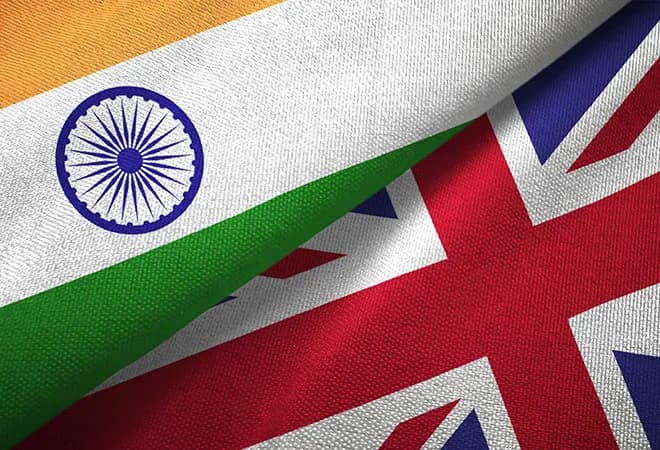
India and the United States are set to enhance their defence cooperation through a new 10-year defence partnership framework, which will be discussed and signed by Defence Minister Rajnath Singh and US Secretary of Defence Pete Hegseth later this year. This announcement followed a phone conversation between the two leaders and was confirmed by Pentagon spokesperson Colonel Chris Devine.
Key Highlights:
Meeting and Agreements:
- Rajnath Singh and Pete Hegseth discussed progress in achieving mutual defence goals defined in the joint statement from February 2025, originally outlined by then-President Donald Trump and Prime Minister Narendra Modi.
- A timeline for their next meeting to finalize the new defence framework has yet to be established.
Defence Talks:
- The discussions also included pending major US defence sales to India and the importance of closer defence industrial cooperation.
- Hegseth underscored the US designation of India as a pivotal defence partner in South Asia, emphasizing the shared commitment to a free and open Indo-Pacific.
Defence Industrial Cooperation:
- The leaders addressed critical points such as advanced technology policy reviews, the upcoming INDUS-X Summit, and the launch of the Autonomous Systems Industry Alliance (ASIA).
- Hegseth noted the successful integration of US defence items into India’s military arsenal and reaffirmed the goal of expanding co-production efforts and enhancing interoperability between US and Indian forces.
Strategic Concerns in Asia-Pacific:
- Both leaders recognized the growing security threats in the Asia-Pacific region, highlighting their mutual concerns and readiness to tackle these threats collaboratively.
- Jaishankar commented on the importance of deepening convergence in military capabilities and responsibilities as vital for the strategic stability of the Indo-Pacific.
Background on Defence Programs:
- The defence engagement includes discussions around the procurement of advanced military systems. In previous meetings, plans were announced for the acquisition of Javelin anti-tank missiles, Stryker armored vehicles, and additional P-8I maritime patrol aircraft.
Significance of the Partnership:
- The US and India share a rich history of cooperation, which both parties view as essential not only for bilateral relations but for regional and global stability. Hegseth stated the partnership’s importance in navigating the complexities of global security dynamics.
Implications for the Future:
- The impending defence framework agreement signifies a strengthening of ties, with potential implications for regional security architectures and economic collaborations between the two nations.
- As India continues to seek modernisation of its military capabilities, the outcomes of these discussions will be closely watched by regional observers and allies.
Conclusion: The prospective defence partnership between India and the US reflects both countries’ strategic interests and their commitment to enhancing defence collaboration in response to regional security challenges, positioning them as key players in the Indo-Pacific landscape. The developments from the upcoming meetings between Singh and Hegseth will be critical in shaping the future trajectory of Indo-US defence relations.
Key Terms & Concepts
| Pentagon | Announcement source |
| South Asia | Geographical region |
| February 2025 joint statement | Strategic framework |
| INDUS-X Summit | Bilateral defense tech forum |
| Autonomous Systems Industry Alliance | Defense tech collaboration |
| Indo-Pacific | Strategic region |
| Javelin anti-tank guided missiles | Defense equipment |
| Stryker armored vehicles | Defense equipment |
| P-8I maritime patrol aircraft | Defense equipment |