iAspirants
India-U.S. Relations Facing Challenges
Published on:
Share this post
Article Summary
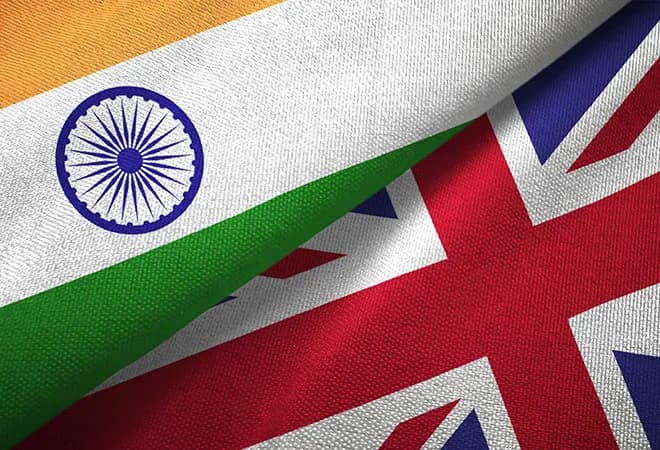
The article examines the evolving relationship between India and the United States, highlighting a notable shift in dynamics that has raised concerns in New Delhi.
Key Points:
Background of the Relationship: A few months prior, the partnership between India and the U.S. was viewed positively, marked by Prime Minister Modi's meeting with President Donald Trump and the presence of External Affairs Minister S. Jaishankar during Trump's inauguration.
Current Concerns:
- There is a growing unease in New Delhi regarding U.S. policies, which appear to be distancing from India.
- The relationship shows signs of volatility and lack of clear strategy, with a perceived drift in U.S. foreign policy.
Pakistan and India's Strategic Concerns:
- Trump's decision to host Pakistan’s Chief of Military, Field Marshal Asim Munir, signals a potential return to "hyphenation," treating India and Pakistan as equal strategic concerns.
- The U.S. administration's comments regarding Kashmir and nuclear threats have been diplomatically regressive for India.
Economic Implications:
- Trump discouraged Apple’s expansion into India, indicating potential trade complications.
- The perception of H-1B visa policies as under threat raises concerns about technological cooperation between the U.S. and India.
America's Shift Towards Pakistan:
- Statements from U.S. officials praising Pakistan as a counterterrorism partner contradict India’s perspective due to Pakistan's historical association with cross-border terrorism.
Underlying Issues:
- The transactional approach of the Trump administration may prioritize short-term gains over long-standing strategic partnerships, conflicting with India's patient and civilizational strategic culture.
- A segment of the U.S. national security community harbors nostalgia for Pakistan as a known ally in counterterrorism, despite historical issues.
India's Position:
- India’s strategic autonomy is often misconstrued as indecision. The article argues that India’s path reflects historical significance rather than confusion about its sovereignty.
- Criticism regarding India's capability versus ambition is viewed as misrepresentation of its strategic intentions.
Recommendations for Action:
- Both countries are encouraged to avoid overreactions to tactical irritants and continue building upon existing strategic foundations, including defense cooperation and the Quad initiatives.
- India is advised to enhance its engagement with U.S. policy-making circles and draw on the Indian American community for advocacy.
- Internally, India needs to pursue economic reforms that boost manufacturing and investment to remain competitive globally.
U.S. Responsibilities:
- The U.S. should abandon outdated Cold War mentalities and consider India’s role in regional capacity-building.
- The focus of the relationship should emphasize a shared democratic ethos and a rules-based international order, beyond mere market access or counterbalancing China.
Historical Context:
- Previous milestones, such as the 2005 U.S.-India civil nuclear agreement, illustrate the potential for meaningful alignment underpinned by mutual respect.
- The article concludes with a call for both nations to renew commitment to their partnership, emphasizing that the relationship can still evolve positively if clarity and teamwork prevail.
In conclusion, the Indo-U.S. relationship is at a pivotal juncture, where diplomatic agility and a focus on shared democratic values could steer the partnership toward a robust future.
Key Takeaways:
- Diplomatic relations are currently strained with signs of volatility.
- The U.S. approach to Pakistan is a major concern for India.
- Economic policies and immigration issues are potential pressures on the partnership.
- Both countries need to focus on long-term strategic cooperation rather than short-term gains or historical biases.
- There is a call for refreshed commitment and clarity to navigate complexities in the relationship.
Key Terms & Concepts
| United States | Country in partnership |
| India | Partner country |
| Pakistan | Regional concern for India |
| Operation Sindoor | Military operation mentioned |
| H-1B visa | Visa regime discussed |
| China | Economic rival mentioned |
| Silicon Valley | Innovation ecosystem referenced |
| Quad initiatives | Defense cooperation framework |
| CENTCOM | U.S. military command |
| Bipartisan goodwill | Political climate descriptor |