iAspirants
Current AffairsPrelims PYQsUPSC CSE SyllabusUPSC CSE StrategyBlogsPricing
Login
iAspirants

Your AI-powered companion for UPSC preparation.

Quick Links

  • Home
  • About Us
  • Current Affairs
  • Prelims PYQs
  • UPSC CSE Syllabus
  • UPSC CSE Strategy
  • Blogs

Company

  • Pricing
  • FAQs
  • Contact Us
  • Login

Legal

  • Privacy Policy
  • Terms & Conditions
  • Return Policy

© 2025 iAspirants, Inc. All rights reserved.

  1. Blogs
  2. National and International Importance

Indian Air Force's Long Range Glide Bomb

Published on: 03-Sep-2026

Source: The Hindu

Share this post

Indian Air Force's Long Range Glide Bomb

Article Summary

Summary of Indigenous Precision-Strike Capability Development

Key Development:

  • The Indian Air Force (IAF) successfully conducted a drop trial of the Long Range Glide Bomb (LRGB), named Khagantak-243.
  • This achievement marks a significant milestone in enhancing India’s indigenous precision-strike capabilities.

Importance of the Trial:

  • The trial aligns with the government’s vision of Aatmanirbhar Bharat (Self-Reliant India) in the defense sector.
  • The successful deployment of Khagantak-243 is poised to increase the lethality of the IAF's operational capabilities.

Technical Aspects:

  • Long-range glide bombs are engineered to enable combat aircraft to strike targets from considerable distances, allowing them to stay clear of certain air defense systems.
  • The Khagantak-243 is a product of indigenous design and development, supporting efforts to develop advanced long-range air-to-ground precision weapons.

Strategic Implications:

  • The development supports the Indian government's aim to reduce reliance on imported military technologies and encourages local defense manufacturing.

Economic and Policy Context:

  • The focus on indigenous weapon systems reflects a broader policy trend emphasizing self-sufficiency in defense manufacturing.
  • The initiative highlights the government’s commitment to fostering local industries within the defense space, contributing to overall economic growth.

Conclusion:

  • The successful trial of the Khagantak-243 demonstrates India’s growing capabilities in defense technology and aligns with national goals for sustainable defense production and innovation. This progression is pivotal for national security and strategic defense preparedness.

Key Terms & Concepts

Long Range Glide Bomb (Khagantak-243)New indigenous precision-strike weapon
Aatmanirbhar BharatGovernment initiative for self-reliance
September 2, 2026Date of successful drop trial
indigenous design and developmentFocus of Indian defense strategy
combat aircraftPlatform for deploying glide bombs
air defence systemsTargets for precision strikes

Mind Map for UPSC Civil Services Revision

Turn UPSC Civil Services Current Affairs Into Exam-Ready Notes

Reading National and International Importance current affairs is half the work. Revise them with ready-made notes and test what actually stuck.

  • Daily UPSC Civil Services current affairs analysis
  • Revision notes, mind maps & MCQs
  • Prelims mock tests with instant results

Related UPSC Civil Services Current Affairs Articles

AI Integration in Indian Healthcare System
National and International Importance18-Oct-2026

AI Integration in Indian Healthcare System

Summary of Key Points on AI Integration in Healthcare in India

AI-Enabled Healthcare Solutions

  • e-Sanjeevani: India’s telemedicine consultation platform has integrated an AI-enabled clinical decision support system to enhance healthcare delivery.
  • Role of AI: AI aids in clinical decisions related to reassurance, referrals, and investigations, raising the need for regulatory framework to ensure patient safety.

Regulatory Framework

  • Central Drugs Standard Control Organisation (CDSCO): Issued guidance in July 2026 on the regulation of software in medical devices, clarifying approval pathways for AI-enabled health technologies.
  • Definition of MedTech: Encompasses instruments and software for medical purposes not achieving action through pharmacological means (e.g., thermometers, CT scanners).
  • Regulatory Backdrop: India regulates medical devices under the Drugs and Cosmetics Act, 1940, with an amendment in 1982 allowing classification of devices as 'drugs'. The Medical Devices Rules, 2017 established a classification system for medical devices.

Software Classification

  • Software Categories:
    • Software in a Medical Device (SiMD): Embedded software controlling hardware.
    • Software as a Medical Device (SaMD): Software performing medical functions independently.
  • Regulatory framework differentiates based on intended use, severity of clinical situation, and output influence on medical decisions.

AI and Clinical Validation

  • CDSCO requires clinical evidence linking software output to medical conditions, performance assessment in the intended population, and unique validation for AI systems.
  • Developers must provide diverse datasets for training and validation of AI algorithms, addressing potential biases and performance generalizability.

Policy Framework and Guidelines

  • NITI Aayog’s National Strategy for AI: Released in 2018, prioritizing healthcare and addressing ethical considerations.
  • Indian Council of Medical Research (ICMR): In 2023, issued guidelines emphasizing accountability and fairness in AI application in healthcare.
  • Ministry of Electronics and Information Technology: Released AI Governance Guidelines in November 2025, opting against a separate AI law.

Comparative Global Standards

  • FDA (USA): Established AI lifecycle approaches for medical devices, involving change-control plans for updates.
  • EU AI Act: Combines medical device regulation with AI-specific regulations, emphasizing risk management and oversight.

Challenges and Considerations

  • The guidance raises concerns about reliance on an 80-year-old law versus the need for a dedicated statutory framework for AI in medicine, ensuring trust among patients and clinicians.
  • Need for Statutory Framework: To enhance clarity on liability and establish a public registry for AI medical devices with life-and-death implications.

This overview reflects the current landscape of AI integration into Indian healthcare, highlighting the need for rigorous guidelines and a systematic approach to regulation in alignment with technological advancements.

India's Semiconductor Future and Self-Reliance
National and International Importance15-Oct-2026

India's Semiconductor Future and Self-Reliance

Summary of Semiconductor Development in India

Current Status and Challenges

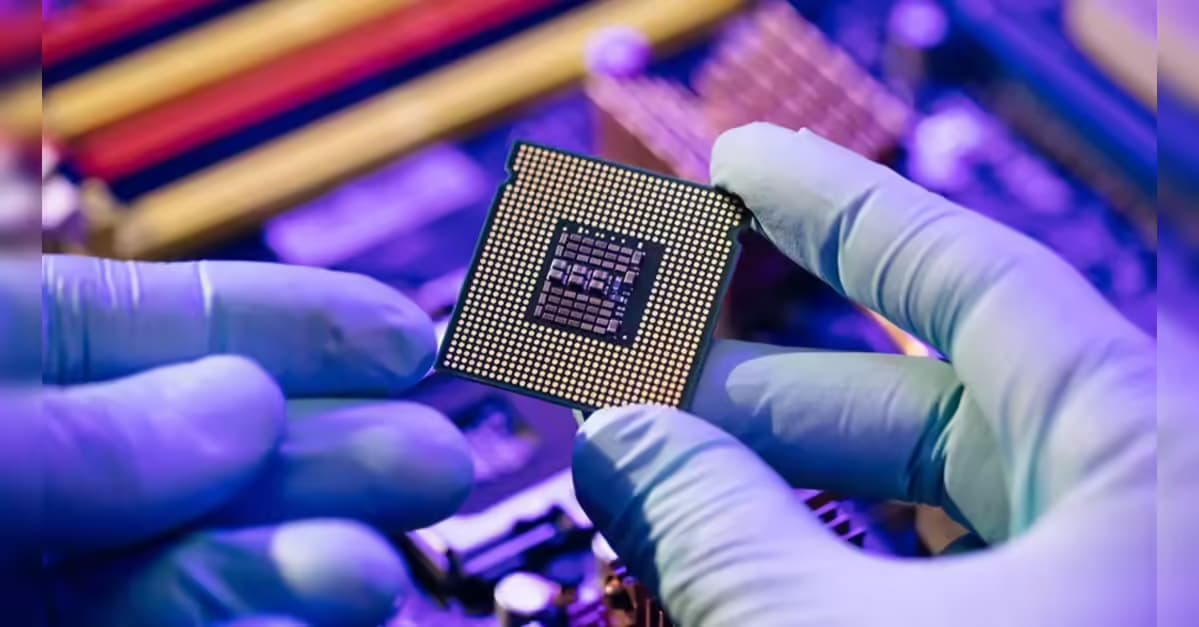
  1. Dependency on Imports: India produces 20% of the total global data for AI but has only 3% of AI data centers. Despite hosting 20% of the global chip design workforce, 90% of semiconductor needs are met through imports.

  2. Future Risks: Experts from the DRDO warn that without self-reliance in the semiconductor sector by 2047, India risks failing in conflicts dominated by AI, cyber technologies, and space capabilities.

  3. Global Semiconductor Landscape:

    • The US leads in design capabilities and intellectual property rights.
    • Manufacturing foundries are most concentrated in Taiwan and South Korea, while Japan, Europe, and the Netherlands control critical production infrastructure.
    • China has advanced significantly in node fabrication.

Strategic Goals and Initiatives

  1. Vision for 2047:

    • Dr. Anesh Sharma emphasized aiming for leadership in the manufacturing of two-nanometer chips and establishing at least two top-10 foundries in the world.
    • Objective to achieve strategic relevance by focusing on high-end technology that is not readily available from other nations.
  2. DRDO's Roadmap:

    • Focus on complete independence in semiconductor materials and production processes to secure technology independence.
    • Key areas for early intellectual property leadership include quantum computing, photonic integrated circuits, and neuromorphic computing.
  3. Government Initiatives:

    • India Semiconductor Mission 1.0: Approved with an outlay of Rs 76,000 crore, supporting a dozen chip plants, including Tata Group's fabrication facility and various packaging units.
    • India Semiconductor Mission 2.0: Launched in July with Rs 1.27 lakh crore. This mission supports subsidies across the semiconductor design, manufacturing, and supply chain processes. The focus is on building a comprehensive ecosystem for semiconductors.

Economic Context and Future Demand

  1. Market Forecast: Semiconductor demand in India is projected to exceed $200 billion by FY35. The rising demand underscores the urgency of developing a robust semiconductor ecosystem as a national priority.

  2. Role of Technology in Warfare: Dr. Anupam Sharma articulated a shift in warfare dynamics, suggesting that future victories will be determined by capabilities in data, algorithms, and scientific advancement rather than traditional military might.

Constitutional and Policy Context

  • National Priority: Building a semiconductor ecosystem aligns with broader national interests for self-reliance and technological leadership, a vision connected to making India a strategic power by 2047.

Summary

India's semiconductor sector is at a critical juncture, demanding significant investment and innovation. With ambitious government initiatives and various DRDO projects, the nation aims to transition from an import-dependent model to a self-sufficient semiconductor powerhouse by 2047, amid a global landscape that is rapidly evolving towards AI-driven technological advancements.

Protests and International Events Update
National and International Importance12-Oct-2026

Protests and International Events Update

Key Highlights from Recent News:

  1. Protests and Law Enforcement:

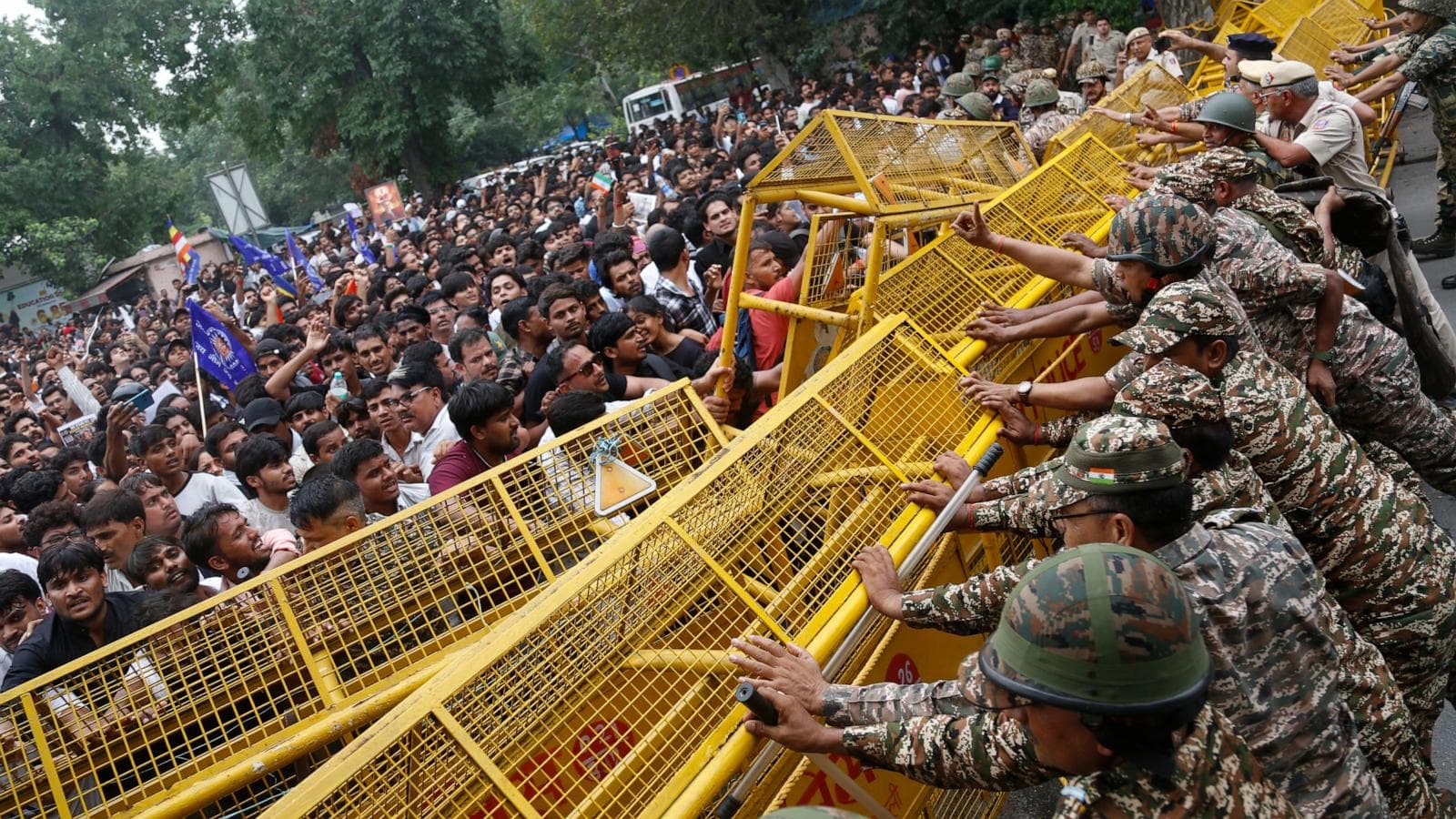
    • Rajya Sabha MP John Brittas and AISA president Neha were allegedly injured during protests in New Delhi, demanding the resignation of Chief Election Commissioner Gyanesh Kumar.
    • Several journalists were detained while covering the protests, despite Supreme Court directives to prevent such actions.
    • Chief Justice of India (CJI) Surya Kant declined a request from Leader of the Opposition Rahul Gandhi for a meeting related to these events.
  2. Metro Services Impacted:

    • The Delhi Metro Rail Corporation announced closures at six stations (Patel Chowk, Janpath, Rajiv Chowk, Mandi House, Central Secretariat, Barakhamba Road) on October 12 due to expected protests.
  3. International Conflicts:

    • In Yemen, a Saudi-led coalition reported an attack on Riyadh's international airport by Houthi rebels, resulting in injuries and previous fatalities from a missile attack.
    • U.S. President Donald Trump suggested an "energy ceasefire" agreement between Russia and Ukraine, amidst ongoing attacks on energy sites reported by Kyiv.
  4. Indian Government Initiatives:

    • Prime Minister Narendra Modi emphasized the importance of Centre-State relations while inaugurating several development projects in Tamil Nadu, including the Chennai Metro Rail service.
  5. Public Health Updates:

    • Pope Leo disclosed that doctors found a small growth on his lung which will require surgery, stating it was detected early and contained.
  6. Casualties in Recent Attacks:

    • An Indian citizen was killed and over 300 injured during an assault at Riyadh airport, as confirmed by the Indian Embassy.
  7. Historical Contentions:

    • Sri Lankan President Anura Kumara Dissanayake acknowledged that Katchatheevu is recognized as belonging to Sri Lanka, highlighting strong diplomatic relations with India.
  8. Regional Unrest in Manipur:

    • Seven armed groups in Manipur have called for a 12-hour shutdown on October 15 in protest of the state's merger with India in 1949, exempting essential services from the strike.
  9. Sports Update:

    • India's cricket team scored 223 runs during a recent match against the West Indies, with Abhishek Sharma contributing significantly to the total (69 runs off 30 balls). The West Indies' final score was 209 runs.

Critical Observations:

  • The events demonstrate ongoing tensions surrounding governance, media freedom, and community rights within India.
  • Internationally, the ongoing conflicts in Yemen and Ukraine highlight the fragile geopolitical conditions in those regions.
  • Local governance initiatives from the Indian government draw attention to developmental projects that are key to regional progress.
  • The health update regarding Pope Leo presents an intersection of public interest and the significance of health in leadership roles.