iAspirants
Indian Navy's Project 17A Overview
Published on:
Share this post
Article Summary
Indian Navy's Project 17A Overview
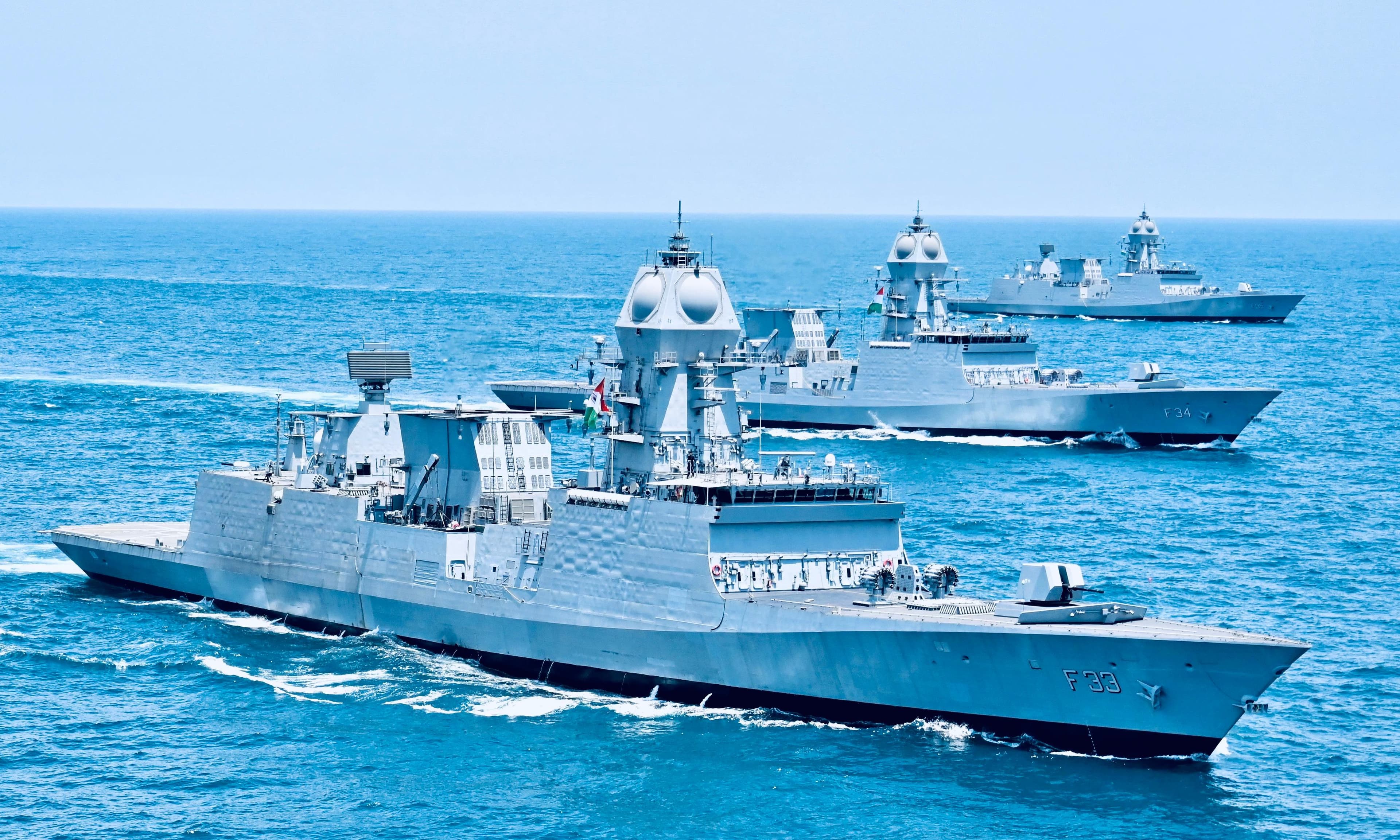
Project Overview: Project 17A is a significant initiative worth ₹45,000 crore aimed at constructing seven 'Nilgiri'-class frigates with enhanced anti-air, anti-surface, and anti-submarine capabilities. This project serves as an advanced complement to the existing 'Shivalik' class and lays groundwork for Project 17B.
Progress and Deliveries:
- The Indian Navy delivered INS Mahendragiri on April 30, marking the completion of six frigate deliveries within 17 months.
- The project has encountered significant delays, attributed to the lack of critical components like engines and sensors, despite the ships being nominally complete.
Audit Findings:
- The Comptroller and Auditor General (CAG) highlighted multiple design changes in previous warships during construction and flagged issues related to the induction of platforms without necessary supporting infrastructure. A report in 2025 indicated that readiness issues persisted even after commissioning.
Indigenous vs. Imported Components:
- Project 17A utilizes 75% indigenous components by value; however, important components still rely on imports. This dependency has caused delays in the vessels' final operational capability.
Strategic Importance
Geopolitical Context:
- The Indian Ocean is critical for India’s energy imports and is a focal point for Chinese naval deployments. India’s naval strategy is concentrated on addressing both traditional and non-traditional maritime threats, such as piracy and drone activities from regional actors.
Security Initiatives:
- Following the 2008 Mumbai attacks, India established a Chain of Static Sensors – radar and other technologies – that extends to Mauritius, Sri Lanka, and Seychelles as part of a comprehensive detect-decide-respond system.
Challenges in Naval Operations
Operational Limitations:
- Even with new advances in surveillance and sensor networks, the delay in the integration of critical radar and sonar systems hampers the full operational readiness of the frigates. The absence of these systems constrains India’s ability to adequately monitor and respond to naval challenges, particularly in the face of a growing presence of the People’s Liberation Army Navy.
Fleet Expansion Considerations:
- While the addition of surface combatants, such as multi-role frigates, is justified for ocean security, the increasing number could be excessive for lower-priority issues like piracy. Strengthening the Indian Coast Guard and enhancing surveillance capabilities would also mitigate risks highlighted by past incidents.
Domestic Industrial Implications
- Shipbuilding Ecosystem:
- The initiative aims to bolster domestic shipyards and facilitate the absorption of new technologies. However, there are concerns that industrial interests may overshadow the security imperatives that dictate fleet composition and capability requirements.
Conclusion
India's Project 17A reflects an important step in enhancing naval strength, yet underscores the critical need for timely integration of technology and the importance of aligning defense investments with actual maritime threats. The shift towards indigenous capabilities needs constant evaluation against the backdrop of evolving regional security dynamics.
Key Terms & Concepts
| Project 17A | Build frigates for Navy |
| ₹45,000-crore | Total cost of project |
| INS Mahendragiri | Latest ship delivered |
| April 30, 2026 | Delivery date of INS Mahendragiri |
| CAG of India | Flagged design changes |
| 75% | Indigenous components used |
| 2008 Mumbai attacks | Trigger for sensor chain |
| Chain of Static Sensors | Enhanced naval detection system |
| Mauritius, Sri Lanka, Seychelles | Extended sensor coverage |
| People’s Liberation Army Navy | Increased regional presence |