iAspirants
India's AI Development Strategy Proposal
Published on:
Share this post

Article Summary
Economic Survey 2025-26: Key Highlights
AI Development Proposal
- Initiative: Introduction of an “AI-OS” initiative, positioning the government as a monetary shareholder in AI infrastructure.
- Objective: Treat AI similar to public goods like UPI and Aadhaar, focusing on sector-specific applications rather than large language models.
- Centralized Repository: Establishment of a centralized code repository (similar to GitHub) to foster collaborative development under the IndiaAI mission.
- Switch to Small Models: Shift from large frontier models to smaller application-specific models utilizing locally available hardware, promoting efficiency and accessibility.
Educational Reform
- “Earn-and-Learn” Initiative: Proposal for a radical shift in educational structure allowing students from Class 11 to earn academic credits and financial compensation through apprenticeships and project placements.
- Co-designed Fellowships: Industry-academic collaborations to design structured fellowships providing both practical experience and contributions to formal educational qualifications.
Job Creation Focus
- Sectoral Job Mapping: Identification of high-skill jobs outside white-collar sectors that are often understaffed, including:
- Nursing and geriatric care
- Culinary sciences
- Advanced metalwork
- Aimed at addressing India’s dependency ratio set to double in the next decade.
Structural Challenges Identified
- Limited AI Infrastructure:
- India's share of training data is only 2%, with significant disparities compared to the US and EU.
- Over 70% of data centres located in high-income countries; India holds just 3%.
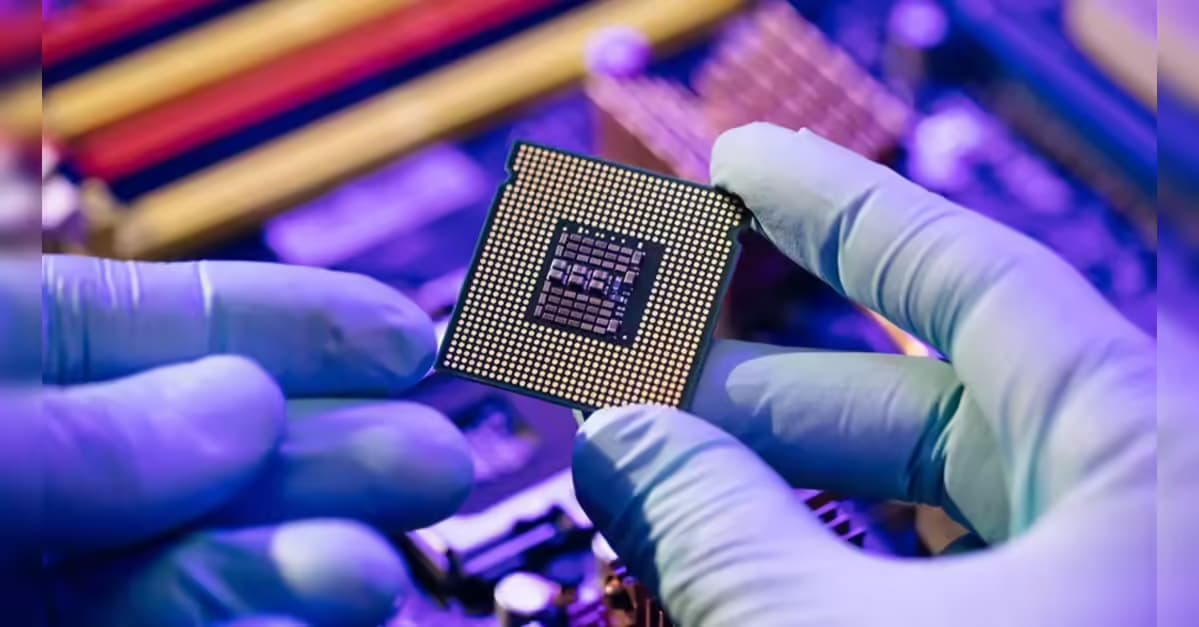
- Financial Constraints: Scarce resources for large-scale model training, and reliance on global GPU supply chains limits domestic capacities.
Recommendations and Trade-Offs
- AI Approach: Balancing pursuit of resource-intensive large models against effectively utilizing domain-specific AI systems.
- Job Market Dynamics: Addressing the potential for job displacement caused by rapid AI deployment against the need for productivity gains.
- Open vs Closed AI Models: Striking a balance between proprietary systems and open-source flexibility to enhance domestic innovation.
- Environmental Resource Allocation: Recognizing the high resource demands for AI development and advocating for smaller, efficient models to optimize shared resources like power and water.
- Regulatory Balance: Finding an appropriate regulatory framework that promotes innovation while ensuring safety and risk management.
Global Considerations
- Geopolitical Asset: AI is increasingly viewed as a strategic asset. India must ensure that while pursuing technological integration, it also maintains strategic autonomy to mitigate systemic risks associated with over-reliance on foreign technology.
International Comparisons and Examples
- China's Talent Program: Mentioned as a comparative model for enhancing domestic research productivity.
- EU Collaborations: Emphasis on collaborations between industry and academia as key to unlocking potential in the workforce and economy.
Conclusion
The Economic Survey emphasizes a tailored, proactive approach to AI development in India, fostering collaboration of educational, industrial stakeholders and a focus on creating sustainable jobs while addressing sectoral skills shortages.
Key Terms & Concepts
| AI-OS initiative | Government monetary shareholder in AI |
| Economic Survey 2025-26 | Proposed AI strategies |
| IndiaAI mission | Centralized code repository |
| Stanford University’s AI Index Report 2025 | Ranks AI-literate workforce |
| Earn-and-Learn initiative | Education restructuring proposal |
| Young Thousand Talents Program | Research productivity boost |
| World Bank | Cited data on data centres |
| 2% | India’s share of global training data |
| Dependency ratio | Doubling predicted demand |
| 3% | India’s data centre share |
| AI infrastructure constraints | Limited compute resources |
| Half a trillion | Projected cash burned by firms |