iAspirants
India's Civilisation: Inclusivity and Governance
Published on:
Share this post
Article Summary
Exam-Focused Notes: Civilisational Identity and Inclusivity in India
Civilisational Heritage:
- India views itself as a civilizational identity beyond the geopolitical boundaries established in 1947.
- Key historical figures embodying this legacy:
- Ashoka: Promoted inclusive governance.
- Akbar: Known for the principle of Sulh-i-Kul (Universal Peace).
- Contributions from various faiths: Hinduism, Islam, Christianity, Sikhism, Buddhism, etc. reflect a composite culture.
Political Critique:
- The current narrative portrayed by the ruling party is seen as an epic struggle between Hindus and Muslims, which is critiqued as a moral and political failure.
- This approach is argued to reduce political complexities into myth, prioritizing symbolic battles over governance issues like infrastructure and justice.
Civilisational Self-Assertion:
- Advocating for a civilizational self-assertion that is:
- Inclusive: Celebrates diversity and accommodation of various cultural and religious identities.
- Constructive: Inspires progress and the creation of institutions reflecting pluralism.
- Emphasizes the concept of Vasudhaiva Kutumbakam (the world is one family) as foundational to Indian ethos.
- Advocating for a civilizational self-assertion that is:
Responsibilities of Governance:
- Encourage governance that promotes:
- Building institutions that reflect and respect civic diversity.
- Investment in education, healthcare, and infrastructure for material progress.
- A culture of dialogue, encouraging discussion of ideas rather than divisive identities.
- Encourage governance that promotes:
Inclusivity vs. Division:
- Suggested that civilisational pride should not lead to exclusion but rather foster unity and collective progress.
- Calls for a political culture that values diverse contributions to society and nurtures a shared civic future.
Goals of Democratic Governance:
- Strengthening democracy, protecting freedoms, and upholding the rule of law are essential for maintaining a strong civilizational identity.
- Promoting tangible achievements such as:
- Quality education (schools)
- Accessible healthcare (hospitals)
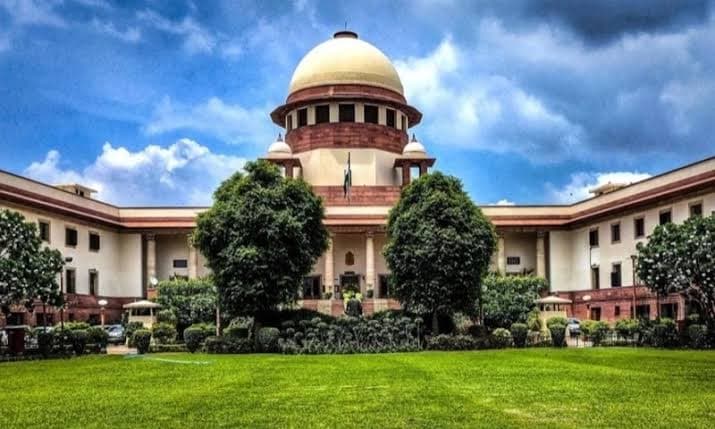
- Fair judicial systems (courts)
- Protection of civil rights (institutions)
Social and Economic Imperatives:
- Civilizational self-assertion should motivate addressing systemic issues like poverty, inequality, and injustice.
- Such approaches must resonate with the realities of modern governance, ensuring that civilizational narratives also translate to material improvements for citizens.
Final Thoughts:
- The narrative of India's diversity should serve educational and inspirational purposes, not become a basis for grievances.
- Advocating for a coherent vision of India’s pluralistic realities is pivotal for contemporary governance and future prosperity.
These notes encapsulate the essence of the civilizational identity debate in India, highlighting the importance of inclusivity and constructive governance in a diverse society.
Key Terms & Concepts
| Vedas | Ancient wisdom source |
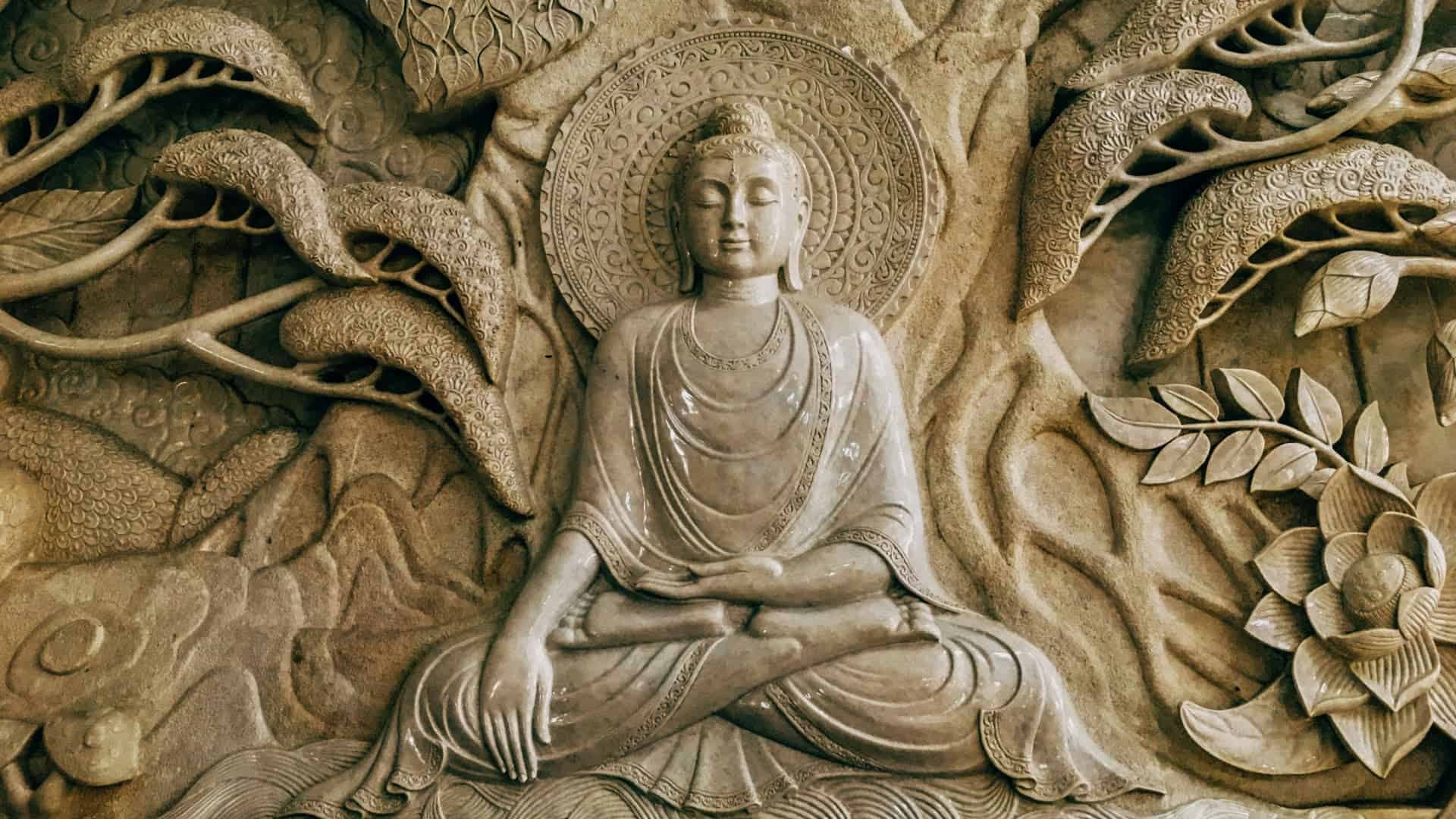
| Buddha | Symbol of compassion |
| Ashoka | Advocate of inclusive governance |
| Akbar | Promoter of universal peace |
| Sulh-i-kul | Principle of universal peace |
| Vasudhaiva Kutumbakam | Philosophy of oneness |
| Education | Investment for civilisational growth |
| Healthcare | Essential for societal progress |
| Infrastructure | Support for civilisational pride |
| Democracy | Foundation of governance |
| Poverty | Issue to tackle for progress |
| Inequality | Challenge for social justice |
| Justice | Aim for fair governance |