iAspirants
India's Defence Strategy Against China
Published on:
Share this post
Article Summary
Summary of India's Defense Strategy against China
Strategic Challenges:
- China's military, notably the People’s Liberation Army (PLA), presents a significant challenge to India. A robust defense industrial strategy is necessary to bridge the capability gap.
Doctrinal and Technological Options:
- Bold Approach: Invest in new war-fighting technologies, though risky due to potential implementation failure.
- Conservative Strategy: Integrate emerging technologies with existing military assets to improve effectiveness, suitable for limited conflicts.
- Middle Path: Enhance deterrence capabilities while relying on legacy platforms and developing enabling layers such as Command and Control (C2), Intelligence, Surveillance, and Reconnaissance (ISR), and logistic infrastructure.
Historical Context:
- Military transformations require alignment of research, development, industry capacity, and doctrines to deter threats effectively.
Key Observations:
- India's defense-industrial base struggles with translating military needs into industrial targets, affecting its ability to adapt quickly.
- C4ISR Vulnerability: India’s Command, Control, Communications, Computers, Intelligence, Surveillance, and Reconnaissance systems need enhancement for superior visibility on the battlefield.
Actionable Steps:
- Removal of Bureaucratic Hurdles: Streamlining processes for defense procurement and encouraging private sector participation.
- Smart Spending: Focus financial resources on key deterrent capabilities with a broad consensus on defense priorities.
Essential Capability Layers:
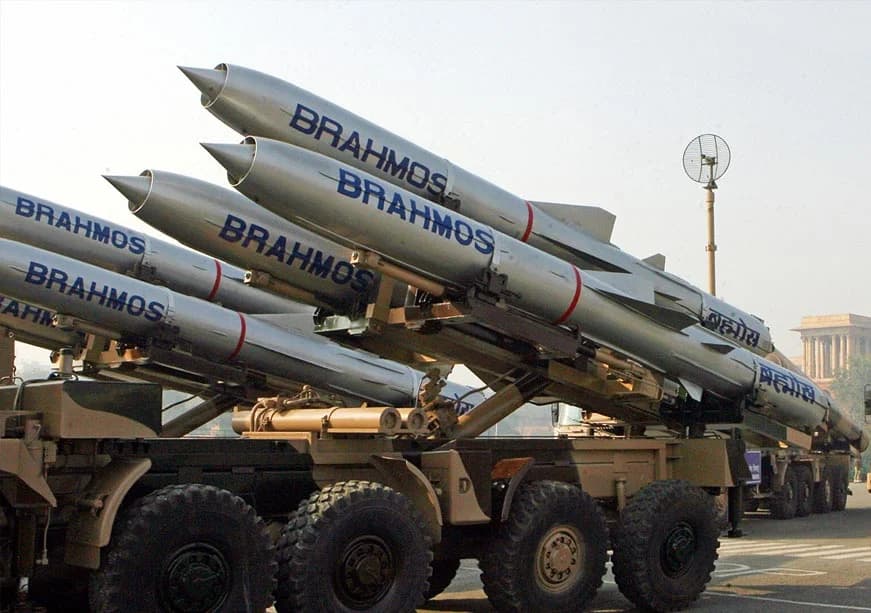
- Missile and Strike Layer: Integration of missiles, drones, and other platforms for effective deep-strike capabilities.
- Logistics Layer: Crucial for sustaining prolonged military operations.
- Nuclear Deterrent: Maintain adequate nuclear capabilities to counterbalance conventional shortcomings against China.
Financial Considerations:
- One-off budgetary allocations to incentivize the defense sector to enhance production capabilities. The focus should be on producing critical capabilities to avoid reliance on adversary's inventories.
Overall Objective:
- Strengthening deterrence against China involves enhancing India’s military confidence and capability to ensure any single adversarial capability does not become decisive in a conflict.
Final Thoughts:
- India needs to transition from reactive to proactive defense strategies by articulating a broad strategic vision, ensuring that its defense posture can adapt to evolving technological landscapes and regional threats.
Key Terms & Concepts
| People’s Liberation Army (PLA) | India's primary military adversary |
| C4ISR | Key to military operations |
| Missiles | Urgent industrial investments |
| Cyber capabilities | Enhance deterrence strategies |
| Budgetary stability | Support long-term military planning |
| Private industry | Can efficiently build military systems |
| Defence-industrial base | Critical for military capability |
| Strategic military investments | Address gaps against China |
| Multi-domain operations (MDO) | Future military strategy focus |
| Logistics | Essential for prolonged warfare |