iAspirants
India's Demographic Challenges Ahead
Published on:
Share this post
Article Summary
Summary of Key Points on Demographic Changes in India
1. Demographic Trends:
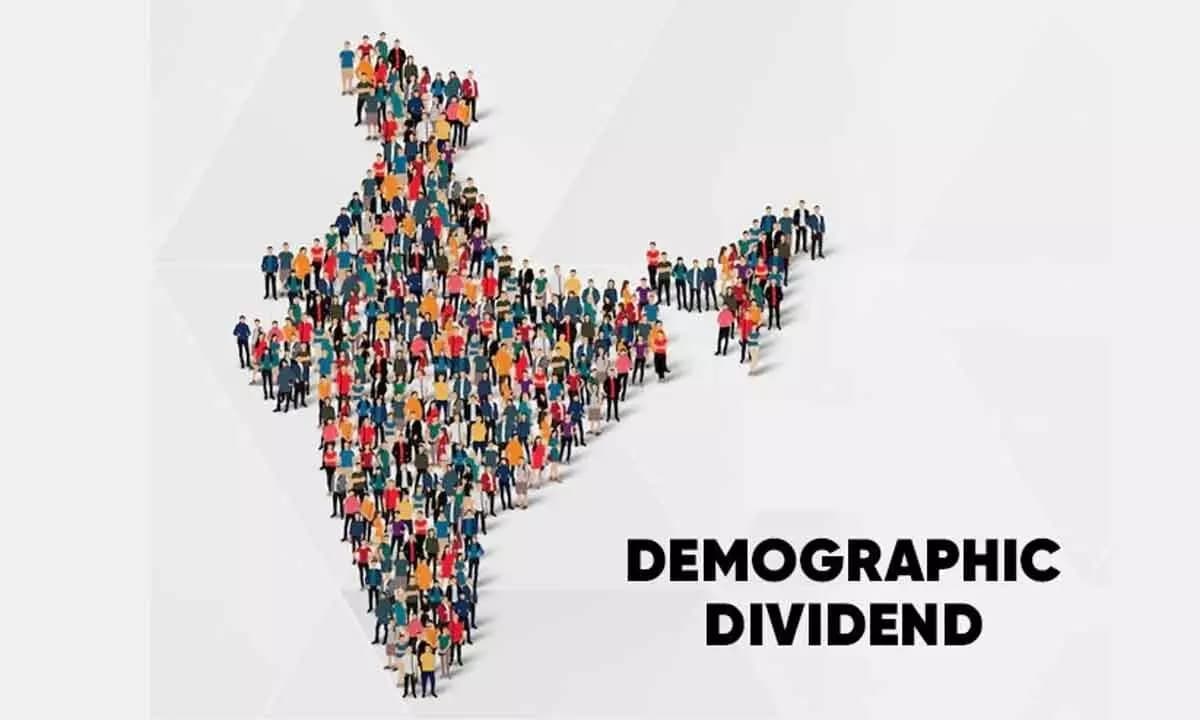
- India is experiencing a demographic shift with declining fertility rates now at or below replacement levels.
- Transition from a large youth population to an increasing ageing demographic is anticipated.
2. Government Initiatives:
- A High-Level Committee on Demographic Change was formed by the Indian government in late May 2026, primarily focusing on illegal immigration and border management.
- The committee lacks demographers; its chair is a retired Supreme Court judge with a composition of retired civil service officers and an economist.
3. Political Context:
- The discussion around illegal migration, particularly from Bangladesh, has been politicized, with comments from leaders framing migrants as detrimental to national interests.
- Historical references by the BJP, including the characterization of Bangladeshi migrants, have influenced public perception and electoral strategies.
4. Economic Data:
- According to the World Bank, the nominal GDP per capita of Bangladesh grew at a 10.4% annual rate from 2005 to 2023, while India recorded 7.7%.
- Under the UNDP Human Development Index, Bangladesh has seen significant improvement, indicating its economic development.
5. Migration Patterns:
- There’s limited evidence of substantial illegal immigration from Bangladesh influencing demographics at a national scale.
- Economic distress in Bangladesh that would drive mass migration to India is not substantiated.
6. Fertility Trends Among Muslims:
- Historical data indicates that the Muslim population share rose from 10% in 1951 to 14% in 2011; however, recent trends show a decline in the fertility gap between Muslims and Hindus.
- Studies reveal significant socio-economic factors, such as poverty and education levels, impacting fertility rates more than religion.
7. Government Committee Terms of Reference:
- The committee is tasked with analyzing population changes across religious communities, especially where data deviates from broader demographic trends.
- Terms suggest a focus on fertility rates among minorities, which could contribute to social and political discrimination.
8. Historical References:
- Commentary frames current immigration policies as reminiscent of repressive historical events, specifically in reference to the "Final Solution" of the 1940s in Europe.
9. Implications for Minorities:
- The committee’s approach can potentially target and marginalize Muslim communities under the pretext of addressing immigration issues, raising concerns over human rights violations, notably referencing treatment of Rohingya refugees.
Important Points:
- Constitutional Context: No direct constitutional references, but implications on minority rights and social justice.
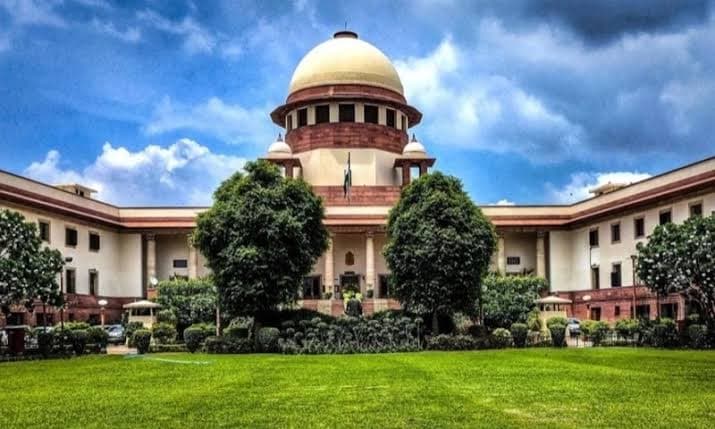
- Judicial Aspect: The committee chair is a retired Supreme Court judge, indicating the legal engagement in demographic policy.
- Socio-political Dynamics: Use of demographic narratives as electoral strategies; implications for legislative and social frameworks.
This summary encapsulates the critical examination of India’s demographic changes, migration policies, socio-economic factors, and their political implications while emphasizing the need to differentiate between fact and rhetoric.
Key Terms & Concepts
| High-Level Committee on Demographic Change | Assesses demographic shifts |
| Bangladesh | Neighboring country impacting migration |
| World Bank | Source of economic data |
| UNDP Human Development Index | Measures development levels |
| Assam Assembly Elections 2026 | Political campaign influenced by migration |
| West Bengal Assembly Elections 2026 | Political campaign influenced by migration |
| Census 2011 | Reference for population statistics |
| Rohingya refugees | Targeted minority group |
| Population fertility rates | Key demographic indicator |
| Illegal immigration | Focus of government policies |