iAspirants
Current AffairsPrelims PYQsUPSC CSE SyllabusUPSC CSE StrategyBlogsPricing
Login
iAspirants

Your AI-powered companion for UPSC preparation.

Quick Links

  • Home
  • About Us
  • Current Affairs
  • Prelims PYQs
  • UPSC CSE Syllabus
  • UPSC CSE Strategy
  • Blogs

Company

  • Pricing
  • FAQs
  • Contact Us
  • Login

Legal

  • Privacy Policy
  • Terms & Conditions
  • Return Policy

© 2025 iAspirants, Inc. All rights reserved.

  1. Blogs
  2. International Relations

India's Diplomatic Efforts in Ukraine

Published on: 05-Sep-2026

Source: The Hindu

Share this post

India's Diplomatic Efforts in Ukraine

Article Summary

Summary of Key Points from the Article

International Relations:

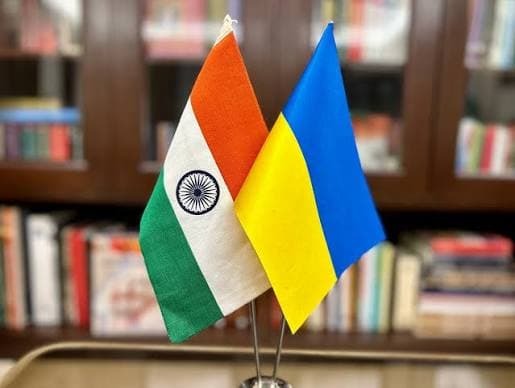
  • India's Role in Ukraine-Russia Conflict: External Affairs Minister S. Jaishankar emphasized India's continuous dialogue with both Ukrainian and Russian governments to find ways to mitigate or cease ongoing conflicts, now in its fifth year.

Statements from Leaders:

  • Meetings and Discussions: Jaishankar met Ukrainian President Volodymyr Zelenskyy and top officials in Kyiv, expressing India's readiness to aid in resolving the war.
  • Zelenskyy's Acknowledgment: Zelenskyy appreciated India's commitment to ending the conflict, highlighting the need for peace.

Key Themes:

  • Global Challenges: Jaishankar discussed global issues such as supply chain resilience and the security of food, fuel, and fertilizers with Polish officials, indicating collaboration on these fronts.
  • India's Position: Jaishankar reiterated that "endless war must give way to an end to war," stressing the tragedy of prolonging conflict. This aligns with Prime Minister Modi’s public stance on the necessity for dialogue.

Diplomatic Efforts:

  • Promotion of Diplomacy: India is advocating for dialogue and diplomacy as the only viable solution to the conflict, rather than focusing solely on trade dynamics, such as oil purchases from Russia.

Strategic Insights:

  • War Impact: Jaishankar stated that protracted war leads to increased death, destruction, and economic burden, not just for the parties involved but also for the global community.

Notable Points for Exam Preparation:

  • Diplomatic Engagement: Understand India's roles and efforts in international diplomacy, particularly in conflict-resolution scenarios.
  • Geopolitical Implications: Recognize how the Ukraine-Russia war affects global supply chains and international relations.
  • Peace Advocacy: Reflect on India’s strategic vision towards peace and conflict resolution, led by its high-ranking officials.

Conclusion: India's diplomatic strategy is focused on promoting peace and dialogue to resolve the Ukraine-Russia conflict, underscoring its position as a significant player in international affairs. The importance of continuing conversation and negotiation over military engagements is a central theme of India's foreign policy approach.

Key Terms & Concepts

Ukraine-Russia warOngoing conflict under discussion
External Affairs MinistryResponsible for India's foreign relations
Prime Minister Narendra ModiVoiced concerns on conflict
Volodymyr ZelenskyyUkrainian President engaged in talks
Andrii SybihaUkrainian counterpart met by Jaishankar
Supply chain resilienceKey global challenge discussed
Food, fuel, and fertiliser securityIssues addressed in discussions
Diplomacy and dialogueProposed methods for conflict resolution
Warsaw meetingLocation of joint press meet
PolandCountry involved in discussions

Mind Map for UPSC Civil Services Revision

Turn UPSC Civil Services Current Affairs Into Exam-Ready Notes

Reading International Relations current affairs is half the work. Revise them with ready-made notes and test what actually stuck.

  • Daily UPSC Civil Services current affairs analysis
  • Revision notes, mind maps & MCQs
  • Prelims mock tests with instant results

Related UPSC Civil Services Current Affairs Articles

Iran's Stance on Nuclear Materials
International Relations21-Oct-2026

Iran's Stance on Nuclear Materials

Summary of Iran-Pakistan Nuclear Discussions and Diplomatic Tensions

1. Nuclear Material Policy:

  • Iran's Secretary of the Supreme National Security Council, Mohsen Rezaei, asserted that no enriched nuclear material will leave the country, reinforcing it as a significant national asset.

2. Diplomatic Stalemate:

  • Rezaei emphasized that negotiations with the U.S. are contingent upon the fulfillment of Iran's conditions, which include the lifting of sanctions and guarantees against military action.
  • Iranian President Masoud Pezeshkian and Parliament Speaker Mohammad Bagher Ghalibaf both reiterated the necessity of removing threats and sanctions before engaging in talks.

3. Context of Tensions:

  • Relations have soured following the U.S. and Israel's surprise military actions against Iran, which occurred while diplomatic discussions regarding Iran’s nuclear program were occurring.
  • A previously agreed memorandum of understanding in June aimed at establishing a conflict resolution framework has faltered, leading to a deadlock in negotiations.

4. International Agreements and Conditions:

  • Iran demands a ceasefire across West Asia, the unfreezing of its international assets, and the lifting of oil sector sanctions as prerequisites for negotiations.
  • The U.S. and its allies have imposed sanctions on Iran, alleging attempts to develop nuclear weapons, which Iran denies.

5. Enrichment Levels:

  • Iran has enriched uranium to 60%, near the 90% threshold required for nuclear weapons, but has indicated a willingness to consider dilution of these materials domestically rather than export.

6. Implications of Military Maneuvers:

  • Iran’s leadership has suggested that military threats will not sway its strategic decisions, aiming to project strength in negotiations.

7. Global Context:

  • Recent indirect talks at the UN General Assembly between the U.S. and Iran have not resulted in significant progress, reflecting ongoing diplomatic challenges amidst heightened tensions in the West Asia region.

Key Takeaways:

  • The situation underscores critical international relations and security dynamics, particularly surrounding nuclear non-proliferation and the geopolitical landscape in West Asia.
  • It reflects the broader implications of military engagement, sanctions policies, and the complexity of trust-building in diplomatic negotiations.
Iran Warns of Attack on Countries
International Relations20-Oct-2026

Iran Warns of Attack on Countries

International Relations and Security:

  1. Iran's Military Threats:

    • Iran has warned it might strike "nine countries" if the U.S. attacks its military bases or petrochemical sites again.
    • Iran’s foreign minister accused the U.S. of starting regional conflict, claiming it can't find a resolution after eight months of warfare.
    • There are security alerts issued by U.S. embassies in the Middle East concerning threats from Iran and its allies.
  2. Houthi Attacks:

    • Yemen's Houthi rebels launched a missile attack on a government training center, resulting in 50-58 fatalities.
  3. U.N. Security Council:

    • Iran called for an emergency meeting at the U.N. Security Council regarding perceived U.S. and Israeli threats to its critical infrastructure, including potential attacks using the GBU-43/B bomb.
  4. International Maritime Organization Concern:

    • About 6,000 sailors are reportedly trapped in the Strait of Hormuz due to conflicts; the IMO warned about risks posed by "irresponsible shipowners."

Economic Data:

  1. Oil Prices:

    • Brent crude oil prices fell to $109.06 a barrel amidst concerns over Middle Eastern supply disruptions and U.S. sanctions on Russian energy.
  2. Saudi Flight Cancellations:

    • More than 45% of departures from Saudi Arabian airports have been canceled since October 8 due to ongoing conflict in the region.

Judicial and Human Rights Issues:

  1. U.S. Sanctions on Iran:

    • Iran's High Council for Human Rights raised concerns that U.S. sanctions significantly threaten accessible healthcare for its citizens.
  2. Executions in Saudi Arabia:

    • Saudi Arabia executed two individuals from Bangladesh for "indecent acts" in a mosque, a move that received criticism for lack of prior notice to the Bangladeshi government.

Global Environmental and Humanitarian Concerns:

  1. Collapse of Illegal Gold Mine in Colombia:

    • A mine collapse killed 14 and injured 7, highlighting safety issues in illegal mining operations. Calls have been made for formalization processes to improve conditions.
  2. Impact of Conflicts on Humanitarian Efforts:

    • The ongoing wars in the Middle East, particularly surrounding Iran, Yemen, and Saudi Arabia, disrupt humanitarian efforts and accessibility to services such as healthcare.

Political Developments:

  1. U.S.-Iran Relations:

    • Former U.S. President Donald Trump criticized Europe for not supporting U.S. actions against Iran, suggesting the U.S. may reassess its alliances.
  2. Israeli Political Landscape:

    • Trump expressed confidence in Israeli Prime Minister Netanyahu's electoral success, hinting at renewed military actions against Iran post-elections.
  3. Pakistani Diplomacy:

    • Pakistan's military chief is set to visit Tehran amidst rising tensions in the region, emphasizing ongoing diplomatic engagements.

Science and Technology:

  1. Threat to Internet Infrastructure:
    • Iranian military officials threatened to target undersea communication cables crucial for global internet connectivity passing through the Strait of Hormuz.

Summary: These developments underline the complex geopolitical landscape in the Middle East, characterized by escalating military threats, humanitarian concerns related to sanctions, and tightening economic conditions influenced by regional conflicts. The U.S.-Iran tensions reward monitoring as they could have far-reaching implications for global security and economic stability.

India's Oil Exports Amid Sanctions
Economic and Social Development19-Oct-2026

India's Oil Exports Amid Sanctions

Summary of Key Facts and Data on India's Oil Imports from Russia

Background Context

  • India and two other countries, Turkiye and Brunei, refined Russian crude and exported oil products worth 1 billion euros ($1.2 billion) to sanctioning nations in September 2026, a 43% increase from August.
  • Reliance Industries Ltd.'s Jamnagar refinery in Gujarat was a major contributor, supplying six of the seven cargoes received at EU ports despite the EU's ban on these products.

Import and Export Data

  • Exports Breakdown:

    • EU: 667 million euros
    • Australia: 168 million euros
    • U.S.: 154 million euros
    • New Zealand: 19 million euros
    • Total refined from Russian crude: estimated 295 million euros.
  • Destinations for EU-bound shipments:

    • Italy: 3 shipments
    • Romania: 2 shipments
    • Spain and Cyprus: 1 shipment each
  • Significant shipment: A single 104,000-tonne cargo of gasoil (diesel) from Jamnagar en route to Rotterdam.

EU Sanctions and Recommendations

  • The EU banned imports of oil products refined from Russian crude starting January 2026.
  • Current regulations permit exemptions for net crude exporters, but there are calls for a stricter ban at the refinery level, which would prohibit any products from a plant that has processed Russian crude in the prior six months.

Trends in Imports

  • India's imports of Russian crude fell 13% in September, marking the second consecutive month of decline, the lowest rates since April:
    • Jamnagar: 27% decrease
    • IOC's Paradip: 21% decrease
    • Nayara Energy's Vadinar: 8% decrease
  • Interestingly, Vadinar surpassed Jamnagar as India's largest importer of Russian crude.

Overall Imports Statistics

  • India ranked as the second-largest buyer of Russian fossil fuels in September 2026, totaling 4.1 billion euros in imports:
    • Crude oil constituted 88% (approx. 3.6 billion euros)
    • Coal: 309 million euros
    • Oil products: 161 million euros

Volume and Price Analysis

  • Clarification on price: Urals crude averaged $90.7 per barrel, about $23 below Brent prices, maintaining this gap since August.
  • Asia, particularly China, has become increasingly competitive for Russian crude imports.

Outlook

  • Analysts project India's October imports to remain stable at 1.8-1.9 million barrels per day.

This summarization outlines crucial details regarding India's involvement in the global oil market, particularly in relation to Russian crude imports amid changing sanctions and geopolitical dynamics, providing important context for economic and international relations studies.