iAspirants
India's Economic Challenges and Dependencies
Published on:
Share this post

Article Summary
Economic Overview of India under Modi Government
Current Economic Challenges:
- India imports 90% of crude oil and about 50% of natural gas, making the economy vulnerable to global energy price fluctuations.
- The trade deficit is widening due to rising oil and liquefied natural gas prices.
- In FY2025-26, the Reserve Bank of India intervened with over $53 billion to support the rupee, which has depreciated to about ₹95 against the U.S. dollar, highlighting the currency’s weakness.
- Foreign exchange reserves fell from $720 billion to around $681 billion.
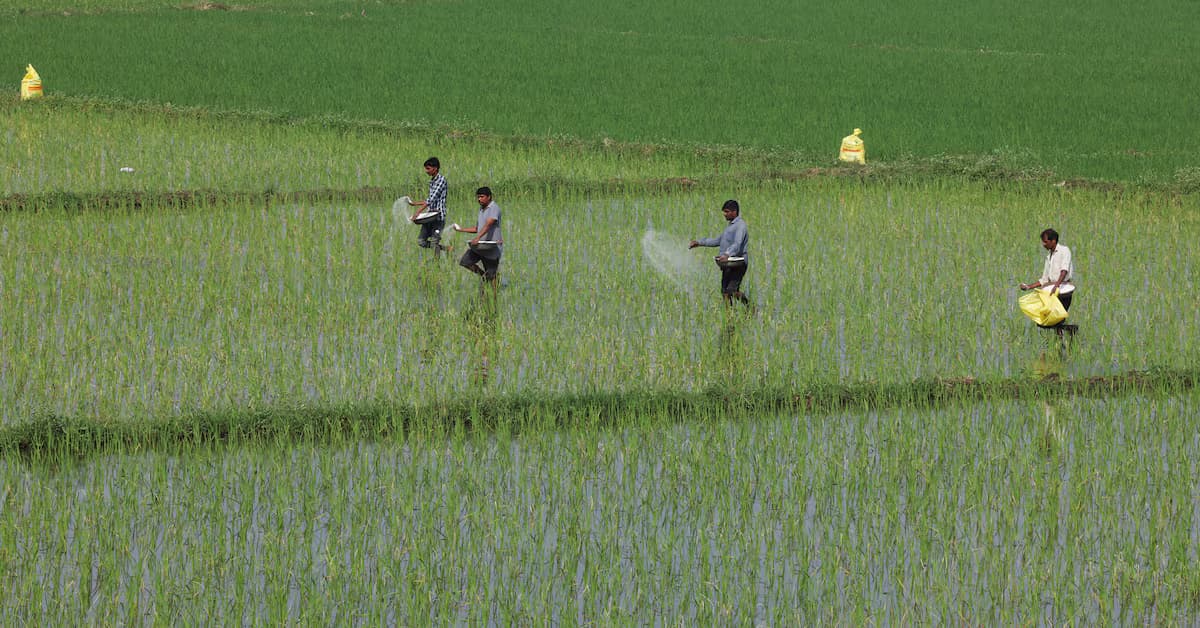
- Agricultural vulnerabilities linked to fertilizer imports, especially LNG and potash, pose risks to domestic food production.
Impact on Agriculture:
- Potentially weak monsoon forecasts threaten crop yields, which could decrease rural incomes and heighten inflation.
- Government spending on agricultural relief and subsidies is expected to decline under current governance, which may exacerbate rural economic insecurity.
Employment and Social Protection:
- The abolition of the Planning Commission and weakening of MGNREGA has left millions of rural households with less economic support than a decade ago, increasing their vulnerability.
External Sector Dependency:
- India's economy is heavily reliant on services exports and remittances, which totaled a record $135 billion in FY2024-25.
- Increasing reliance on skilled professional remittances from advanced economies (the U.S. and U.K.) is at risk due to rising anti-immigration sentiments.
- India’s growing technological weaknesses are highlighted by its dependence on imported semiconductors and technology.
Foreign Investment Trends:
- Foreign portfolio investors have withdrawn over ₹2.2 lakh crore from Indian equities in the current year.
- India has dropped from sixth to seventh in global market capitalisation, reflecting concerns from international investors about the current economic narrative.
Technological Landscape:
- India is lacking in strategic technological sectors such as AI, semiconductors, and advanced manufacturing, contrasting sharply with nations like Taiwan and South Korea.
- Despite having a vibrant startup culture, the focus has largely been on digital intermediation rather than substantive technological innovation.
Socioeconomic Inequality:
- Economic policies have contributed to a rise in inequality, with wealth concentrating in fewer hands and ordinary citizens bearing the brunt of economic failures.
- The socio-economic landscape is characterized by precarity in employment, stagnant wages, and declining opportunities.
Policy Directions:
- Need for a shift in focus towards strengthening public investment, enhancing social protection, and fostering employment generation.
- Advocates for increased investment in science and technology and a reduction in dependency on external markets to stabilize the economy.
- Call for creating a broad-based democratic movement that emphasizes egalitarian economics as a means to defend livelihoods and combat rising poverty.
Conclusion:
- There exists a crucial requirement for India to recognize and address the structural challenges currently threatening its economic foundations.
- The pursuit of a unified alternative economic strategy that prioritizes public welfare over corporate benefits is deemed essential for sustained growth and stability.
Key Terms & Concepts
| 90% of crude oil imports | India's energy dependency |
| 50% of natural gas imports | India's energy dependency |
| $53 billion | RBI intervention in forex market |
| $720 billion to $681 billion | Decline in foreign exchange reserves |
| ₹95 against the U.S. dollar | Rupee's historic low value |
| $135 billion | Remittances in FY2024-25 |
| ₹2.2 lakh crore | Withdrawal from equities |
| Planning Commission | Abolished by Modi government |
| MGNREGA | Weakened rural safety net |
| Taiwan Semiconductor Manufacturing Company (TSMC) | Leader in semiconductor manufacturing |
| Samsung | Critical position in technology |
| AI and advanced manufacturing | Transforming global economy |