iAspirants
India's Electric Vehicle Revolution Advances
Published on:
Share this post
Article Summary
Exam-Focused Notes on Electric Mobility Initiatives in India
Key Initiatives & Schemes:
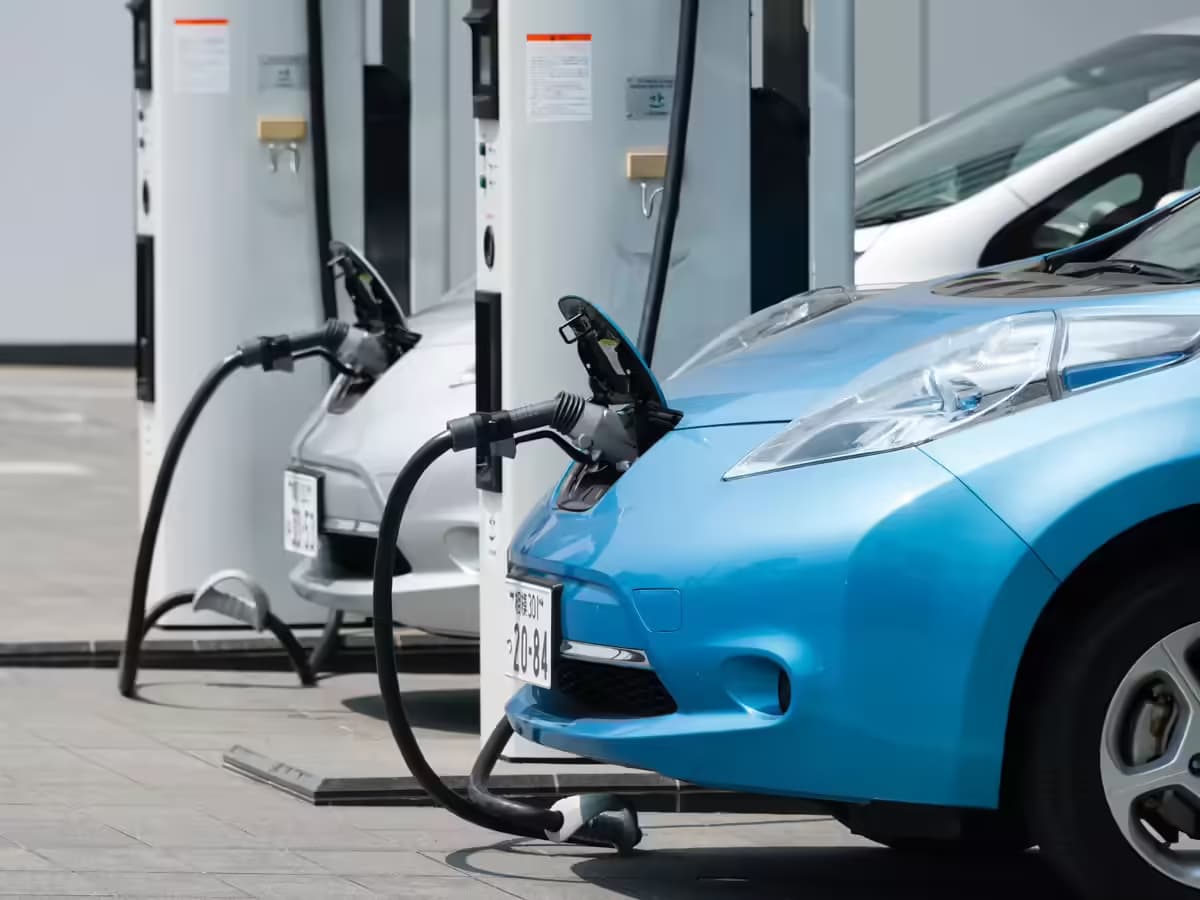
- PM E-Drive Scheme: Aimed at strengthening the Electric Vehicle (EV) charging ecosystem in India.
- Financial Allocation: ₹123.26 crore announced for the establishment of 1,243 EV chargers in Karnataka.
- National EV Charging Conference: Hosted in Bengaluru to discuss the nationwide EV charging infrastructure.
Government Statements:
- Ministerial Remarks: H.D. Kumaraswamy emphasized India's commitment to achieving net-zero emissions by 2070 under Prime Minister Narendra Modi's vision for clean mobility.
- Contribution to GDP: The automotive sector contributes over 7% to India's GDP and supports approximately 30 million jobs.
Economic Data:
- Total Approved Proposals: ₹503.86 crore allocated for the installation of 4,874 EV chargers across various states, including Rajasthan, Andhra Pradesh, and Tamil Nadu.
- Public Charging Infrastructure: ₹2,000 crore specifically earmarked for deploying public charging infrastructure across the country.
Projects & Investments:
- PLI Schemes:
- ₹18,100 crore for battery cell manufacturing (PLI ACC scheme).
- ₹25,938 crore for promoting clean vehicles including EVs and hydrogen-fueled vehicles (PLI Auto scheme).
- ₹7,280 crore for enhancing self-reliance in rare earth magnet manufacturing.
Judicial & Legislative Framework:
- FAME-II Scheme: Under which 8,932 EV chargers have been installed nationwide, with 721 in Karnataka, supported by ₹873.5 crore subsidy from the Heavy Industries Ministry.
Technological Advancements:
- Unified EV Charging App: Development of a National Unified EV Charging App (Unified Bharat E-Charge - UBC) to streamline charging network access for users.
Goals & Future Plans:
- Three Principles for EV Strategy:
- Access: Ensure charging facilities are available in urban and rural areas.
- Affordability: Make charging services economically viable.
- Reliability: Guarantee dependable charging infrastructure.
International Context:
- Global Leadership: India is positioning itself to lead the global transition to clean mobility under the current administration's framework.
Environmental Commitment:
- Focus on reducing fossil fuel dependency and improving energy security while building a sustainable future for upcoming generations.
Conclusion: The initiatives under the PM E-Drive scheme signify a critical step towards bolstering India's electric mobility framework, aligned with national goals for sustainability and economic growth. The comprehensive financial commitments and strategic plans highlight the government's proactive approach to fostering an eco-friendly transportation system.
Key Terms & Concepts
| PM e-Drive Scheme | Strengthening EV charging ecosystem |
| 1,243 EV Chargers | New installations in Karnataka |
| ₹123.26 Crore | Financial allocation for EV chargers |
| 4,874 EV Chargers | Total approved installations |
| ₹503.86 Crore | Financial proposals approved |
| Net Zero Emissions by 2070 | India's commitment to sustainability |
| 7% GDP Contribution | Automotive sector's economic impact |
| 18,100 Crore PLI ACC Scheme | Battery cell manufacturing incentive |
| 25,938 Crore PLI Auto Scheme | Promotion of clean vehicles |
| 7,280 Crore REPM Scheme | Self-reliance in rare earth magnets |
| ₹2,000 Crore | Allocation for EV public charging |
| FAME-II Scheme | Subsidy for EV chargers |