iAspirants
India's Energy Concerns Amid West Asia Conflict
Published on:
Share this post
Article Summary
Energy Security and West Asia Conflict - Key Highlights
Context of Energy Supply Disruption:
- The ongoing conflict in West Asia has led to a critical closing of the Strait of Hormuz, causing severe disruptions in global oil and gas supply — a significant concern as this chokepoint accounts for 20% of global oil and gas flows.
India's Dependency on Imports:
- India relies on imports for over 88% of its crude oil, 50% of natural gas, and 60% of liquefied petroleum gas (LPG), with 40% of crude and 55-60% of LNG imports passing through the Strait of Hormuz.
- The disruption has necessitated prioritization of household energy needs over industrial demands due to reduced natural gas and LPG supplies.
Economic Implications:
- The closure of the Strait of Hormuz has triggered unprecedented volatility in fuel prices; diesel margins surged beyond crude oil prices.
- India is now urged to diversify energy sources, expand strategic reserves, and enhance domestic production capabilities.
- ONGC Chairman Arun Kumar Singh emphasizes the need for India to "chase every drop of oil, gas, and coal" domestically.
Strategic Petroleum Reserves (SPR):
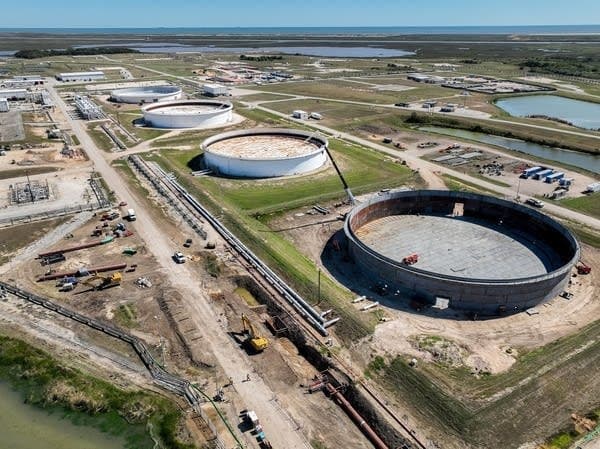
- Current capacity of India’s SPR is 5.33 million metric tonnes, with 3.37 million tonnes currently in storage, covering approximately 9.5 days of crude oil supplies.
- India's total storage capacity, including commercial stocks, amounts to 74 days.
- The International Energy Agency (IEA) suggests maintaining reserves equivalent to at least 90 days of net oil imports.
Government Schemes & Recommendations:
- Emphasis on increasing strategic oil and gas reserves as vital for enhancing energy sovereignty.
- Ongoing exploration efforts, especially in deep-water areas, required to mitigate dependency on imports.
- Comparison to Japan's approach to energy resource management highlights the importance of large strategic reserves.
Geopolitical Shifts:
- The conflict signals a paradigm shift in global energy dynamics; reliance on Middle Eastern energy sources is now questioned.
- ONGC's leadership stresses the historical trend towards globalization may be reversing, leading to potential conflict over energy sovereignty among nations.
Judicial and Policy Frameworks:
- No specific new policies or legislative changes were mentioned; however, urgent calls for increased domestic exploration and energy independence direct attention to potential future government initiatives.
Long-term Energy Strategy:
- Acknowledgement of physical vulnerabilities in energy infrastructure due to conflicts; targeting can seriously affect operations.
- Need for a comprehensive strategy to secure and maintain energy supplies against future disruptions.
By summarizing these key points, the information presents a clear overview of India's current energy challenges amidst geopolitical tensions in West Asia, emphasizing the urgency for diversification and enhancement of domestic production and strategic reserves.
Key Terms & Concepts
| Strait of Hormuz | Critical maritime chokepoint |
| ONGC | India's largest oil producer |
| 88% | India's crude oil import dependency |
| 50% | India's natural gas import dependency |
| 60% | LPG import dependency |
| 90% | LPG imports via Hormuz |
| 5.33 million tonnes | Capacity of India's SPRs |
| 3.37 million tonnes | Current oil held in SPRs |
| 9.5 days | Cover of SPRs on oil supply |
| 74 days | Total national oil storage capacity |
| International Energy Agency (IEA) | Recommends oil stock levels |
| Strategic petroleum reserves | Critical for energy sovereignty |