iAspirants
India's Environmental Justice under Threat
Published on:
Share this post
Article Summary
Summary of Key Points from Environmental Justice in India
Constitutional References
- Article 21: Right to a clean and healthy environment.
- Article 48A: Mandates the State to protect and improve the environment and safeguard forests and wildlife.
- Article 14: Ensures the right to equality before the law and prohibits discrimination.
Judicial Judgments
- M.C. Mehta vs. Union of India (2004): Imposed a ban on mining in the Aravalli region, recognizing its ecological importance.
- In Re: Issue Relating to Definition of Aravalli Hills and Ranges (2025): Accepted a contentious 100-meter height definition for the Aravalli ranges, which undermines ecological protection.
- Common Cause vs. Union of India (2017): Declared that environmental laws serve as a deterrent and illegal mining cannot be legalized post-facto.
- Citizens for Green Doon vs. Union of India (2021): Acknowledged the ecological importance of areas affected by the Char Dham project but allowed wider roads for strategic defense.
Key Policies and Developments
- Environmental Impact Assessment (EIA): Policy changed on December 18, 2025, allowing EIA to be conducted without detailed location data for non-coal mining projects.
- Land Acquisition Policies: Shifted to prioritize land acquisition over environmental assessments.
- Economic Survey (January 2026): Critiqued private sector involvement in large projects for weak adherence to environmental standards.
Government Schemes and Infrastructure Projects
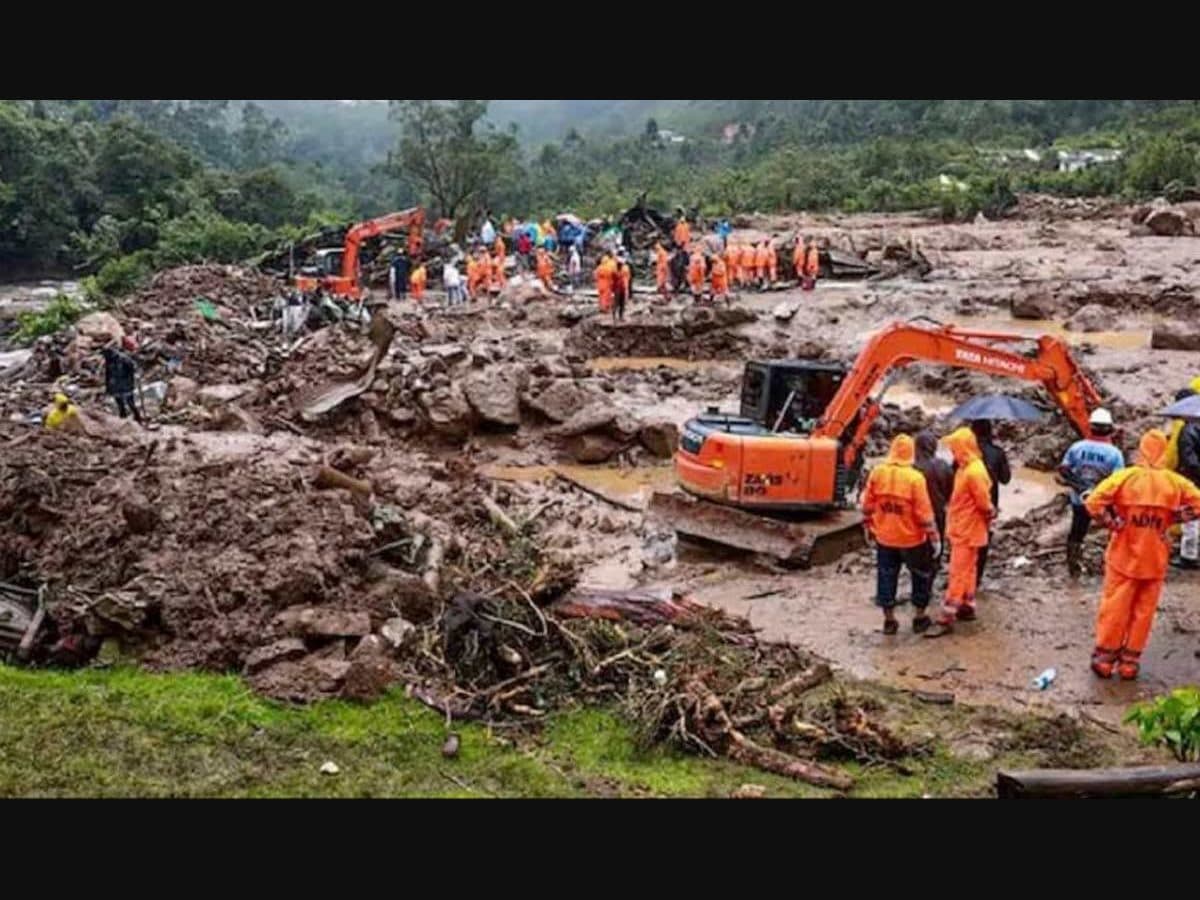
- The Char Dham Highway Project in Uttarakhand is increasing the risk of landslides; a study highlighted 811 landslide zones along the route.
- Destruction of 158 mangroves was sanctioned for Adani Cementation Limited in Maharashtra, endangering coastal ecosystems.
Ecological Significance of Aravallis
- The Aravalli range is integral for groundwater recharge, micro-climate control, and biodiversity maintenance.
- Prior judicial decisions had rejected height-centric definitions, recognizing the ecological importance of lower elevation areas.
Environmental Trends and Implications
- Recent judicial leniency and changes in policy reflect a trend towards dilution of environmental protections in favor of development, particularly benefiting large corporations.
- Continued legal approvals of environmentally harmful projects raise concerns about the integrity of environmental governance, procedural fairness, and transparency as mandated by constitutional provisions.
Science & Technology Concerns
- Introduction of large-scale infrastructure projects like the Char Dham highway conflicts with ecological science, impacting fragile ecosystems.
Conclusion
The situation illustrates a conflict between development and environmental preservation in India, with significant implications for constitutional rights and environmental law. The judiciary's evolving stance raises critical questions about the protection of environmental rights and underscores the need for strengthened regulatory frameworks and accountability in environmental governance.
Key Terms & Concepts
| Article 21 | Right to clean environment |
| Article 48A | State's duty to protect environment |
| Vanashakti vs Union Of India (2025) | Case banning retrospective clearances |
| M.C. Mehta vs Union of India (2004) | Mining ban in Aravalli region |
| Economic Survey (January 2026) | Critique of private sector involvement |
| Char Dham Highway project | Infrastructure project impacting ecology |
| 158 mangroves | Destruction for Adani Cementation |
| Judicial leniency | Weakening of environmental norms |
| 811 landslide zones | Risk identified in highway project |
| Article 14 | Right to equality before law |
| Citizens for Green Doon vs Union of India (2021) | Case recognizing ecological importance |
| Precautionary principle | Legal framework for environmental protection |