iAspirants
India's Evolving West Asia Policy
Published on:
Share this post
Article Summary
Summary of Indian Policy towards West Asia
1. Diplomatic Engagement and Economic Ties:
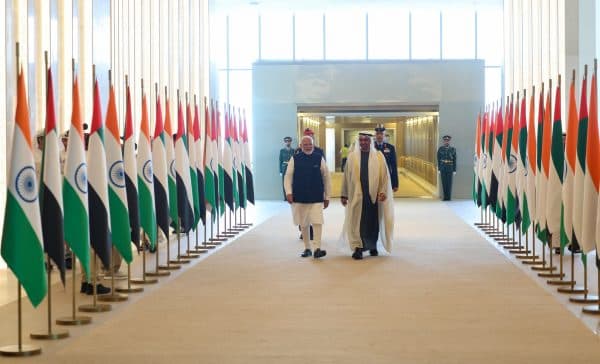
- India has emphasized its diplomatic engagement in West Asia, with PM Narendra Modi undertaking 15 visits to Gulf Cooperation Council (GCC) countries over the past decade, and dual visits to Israel.
- Comprehensive Economic Partnership Agreements (CEPA) established with the UAE and Oman, with ongoing negotiations with GCC and Israel.
- Bilateral trade with the GCC exceeds $160 billion, with a diaspora of 10 million, ranking it as India’s largest socio-economic partner.
2. Security Dynamics:
- Regional instability heightened since October 2023, with threats from Iranian drone attacks and closure of the Strait of Hormuz affecting GCC countries.
- Historical reliance on the U.S. for security is changing as GCC countries seek alternative security partnerships due to perceived failures of Pax Americana.
3. Policy Reset:
- India is adopting a more assertive diplomatic approach in West Asia, focusing on national interests while clearly communicating its stance without traditional balancing acts.
- Modi’s direct communications with GCC leaders during conflicts demonstrate India's prioritization of Gulf security concerns.
4. Domestic Criticism and Challenges:
- Critiques of India’s recent policy shift include timing of diplomacy concerning Israel’s military actions, and accusations of abandoning support for Palestine and Iran.
- Allegations of compromising India’s sovereign autonomy due to Western pressures; concerns about potential strategic overreach.
5. Broader Geopolitical Context:
- India is recalibrating its relations to recognize geopolitical shifts, while still acknowledging the importance of Iran as an oil supplier and a regional player.
- Domestic and international pressures require India to navigate a delicate balance without completely aligning with western narratives.
6. Economic and Security Implications:
- Heightened GCC reliance on U.S. security is shifting as regional dynamics encourage diversification of security partnerships, opening space for India.
- Disruption in Iranian retaliation affecting GCC business operations calls for India to step up its economic diplomacy by positioning itself as an alternative hub.
7. Importance of Dynamic Foreign Policy:
- Emphasizes the need for realistic foreign policy adaptable to changing circumstances.
- Highlights that enduring national interests should guide India's diplomatic actions, in line with Lord Palmerston's maxim: "We have no eternal allies, and we have no perpetual enemies. Our interests are eternal and perpetual."
This comprehensive understanding of India’s policy shifts in West Asia incorporates key diplomatic, economic and security dimensions crucial for academic examination and future insights.
Key Terms & Concepts
| Gulf Cooperation Council (GCC) | India's largest socio-economic partner |
| Comprehensive Economic Partnership Agreements (CEPA) | Trade agreements with UAE and Oman |
| $160 billion | Bilateral trade with GCC |
| 10 million | India's diaspora in GCC |
| Strait of Hormuz | Critical shipping route under threat |
| February 25-26 | Date of Modi's Israel visit |
| Oil-for-Security compact | U.S. and moderate Arab regime agreement |
| Comprehensive Strategic Partnership Treaty | 20-year agreement with Iran |
| Iran's Supreme Leader assassination | Significant geopolitical event |
| GCC+1 strategy | GCC states' response to Iran |