iAspirants
India's Fertiliser Policy and Food Security
Published on:
Share this post
Article Summary
Summary of Key Points on India's Fertiliser Policy and Food Security
Context
- A recent two-week ceasefire highlights geopolitical uncertainties impacting global supply chains, particularly fertiliser supplies essential for India's food security.
Food Security and Fertiliser Dependence
- Fertiliser Import Dependence: India is 70% dependent on imports for chemical fertilisers, with urea consumption at 40 million tonnes annually and imports at about 10 million tonnes.
- Cost Increase: Global urea prices rose from $482 to $795 per tonne (65% increase) within 40 days of conflict, while LNG prices surged from $12 to $19.5/MMBtu (63% increase).
- Impact on Agriculture: Higher input costs and supply constraints emphasize the need for food security.
Government Actions and Policies
- Subsidy Measures: The Indian Cabinet approved higher subsidies for urea, aiming to stabilize prices for farmers despite rising international costs.
- Quantitative Rationing Proposal: Suggestion to implement a 10-15% reduction in state-level urea supplies under the Essential Commodities Act to control usage and reduce inefficiencies.
Nutrient Use Efficiency
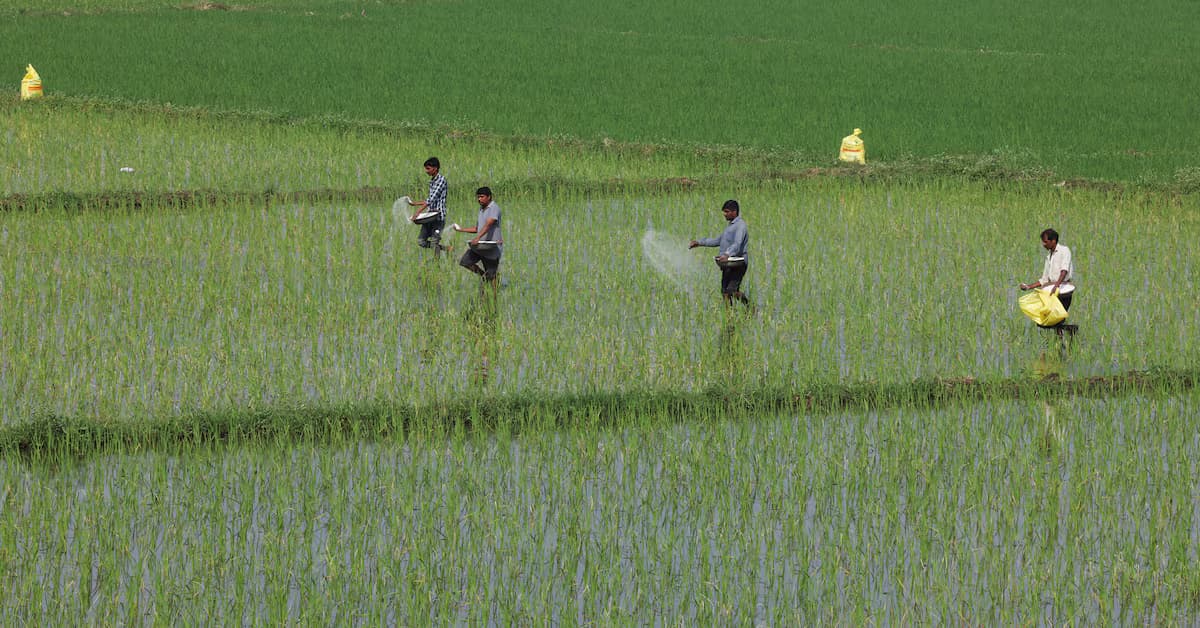
- Current Inefficiencies: Urea application efficiency is low, at 35-40%, with substantial nitrogen loss causing environmental risks (e.g., groundwater contamination).
- Alternative Fertilisers: Advocacy for switching to Triple Super Phosphate (TSP) over DAP to improve phosphate usage and reduce nitrogen input, along with encouragement to incentivize domestic TSP production.
Direct Cash Transfer Initiatives
- Cash Transfers: Proposals to merge the PM-KISAN scheme with fertiliser subsidies to provide cash directly to farmers, including landowners and tenants, addressing gaps in current support systems.
Recommendations for Policy Reform
- Rationalisation of Pricing: Suggested need to reform fertiliser pricing and rationalise urea use to ensure sustainability and effectiveness.
- Collaboration for Production: Government encouraged to collaborate with phosphatic-rich countries for more efficient fertiliser production.
Conclusion
- The Indian government faces the dual challenge of ensuring food security while managing rising fertiliser costs and environmental sustainability. Reform in fertiliser pricing and policies, alongside innovative support mechanisms for farmers, is crucial for addressing these challenges effectively.
Key Terms & Concepts
| Urea | Essential fertiliser for agriculture |
| 70% | Import dependence on fertilisers |
| 40 million tonnes | India's urea consumption levels |
| 85% | Domestic production dependence on gas |
| $795/tonne | Current global price of urea |
| 65% | Increase in global urea prices |
| $12/MMBtu to $19.5/MMBtu | Natural gas price increase |
| PM-KISAN scheme | Direct cash transfer to farmers |
| Essential Commodities Act | Legislation for rationing supplies |
| Direct cash transfers | Proposal for subsidy distribution |
| Natural farming | Alternative farming technique |
| Triple Super Phosphate (TSP) | Alternative fertiliser recommendation |