iAspirants
India's Fight Against Cross-Border Terrorism
Published on:
Share this post
Article Summary
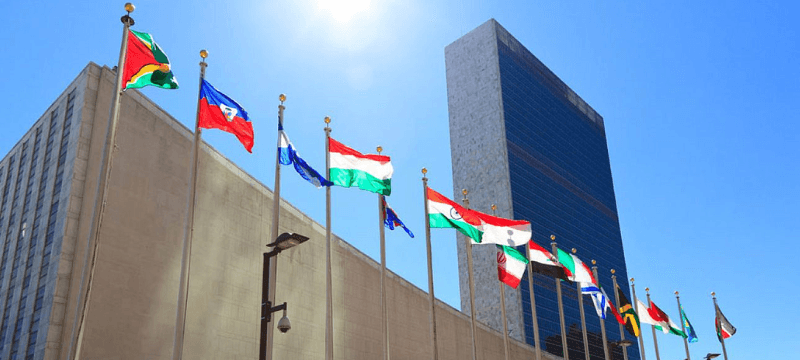
India's ongoing campaign against cross-border terrorism has gained traction with the recent acknowledgment of The Resistance Front (TRF) by a United Nations Security Council (UNSC) counter-terrorism committee. The following key developments were reported:
Date and Reference: On July 30, 2025, Indian officials reported the inclusion of TRF in a UNSC counter-terrorism report published on July 24.
Allegations and Incidents: The TRF, an entity deemed to be affiliated with the Lashkar-e-Taiba (LeT), has been implicated in the Pahalgam terror attack on April 22, which resulted in the death of 26 civilians and numerous injuries. The TRF initially claimed responsibility for the attack but retracted the statement on April 26.
Technical Engagement: Following the incident, India sent a technical team to the UN which interacted with members of the UNSC and provided updates on the situation regarding cross-border terrorism. These interactions were part of a broader initiative known as Operation Sindoor, conducted from May 7 to 10, targeting terror training facilities within Pakistan.
Support from the United States: Prior to the UN report, the U.S. State Department designated TRF as a Foreign Terrorist Organization (FTO) and Specially Designated Global Terrorist (SDGT) on July 17, which aligns with India's strategy to combat terrorism originating from Pakistan.
International Observations: The Monitoring Team (MT) report noted divergent perspectives among UNSC member states regarding the relationship between TRF and LeT. Some officials affirmed that the TRF attack could not have occurred without LeT support, while others refuted claims of LeT’s operational viability.
Geopolitical Tensions: The report underscores high regional tensions which could be leveraged by terrorist factions, further complicating the security dynamics in Jammu and Kashmir.
Responses by Indian Government: India has organized multi-party delegations to reinforce its message internationally following Operation Sindoor. External Affairs Minister S. Jaishankar highlighted the U.S. designation of TRF in a speech to the Lok Sabha on July 29, connecting it to India's ongoing discourse on global terrorism and referencing the extradition of Tahawwur Rana, associated with the 26/11 Mumbai attacks.
In summary, India's diplomatic and military strategies are being employed to counteract terrorism, with significant international backing, particularly from the United States, as part of a wider commitment to regional and global security against terrorism emanating from Pakistan.
Key Points:
- The TRF was mentioned in a UN report on July 24, 2025, acknowledged as aligned with LeT and involved in the April 22 Pahalgam attack.
- India sent a technical team to the UNSC to discuss cross-border terrorism post-Operation Sindoor (May 7-10).
- The U.S. designated TRF as an FTO and SDGT on July 17.
- The UNSC report highlighted differing views regarding the TRF-LeT relationship among member states.
- The situation is characterized by escalating regional tensions that could benefit terrorist groups.
- India's international efforts include sending delegations and emphasizing support from allies like the U.S. in counter-terrorism initiatives.
Key Terms & Concepts
| The Resistance Front (TRF) | Listed in UN counter-terror report |
| Lashkar-e-Taiba (LeT) | Seen as TRF's affiliate |
| Pahalgam | Location of terror attack |
| United Nations Security Council | Body issuing counter-terror reports |
| Operation Sindoor | Military operation against terror |
| United States | Supporter of India's stance |
| 1267 Sanctions Committee | Committee involved in sanctions |
| Foreign Terrorist Organization (FTO) | Designation by US State Department |