iAspirants
India's Foreign Policy in 2025
Published on:
Share this post
Article Summary
Indian Foreign Policy Update (2025)
Key International Developments:
U.S. Political Landscape: Donald Trump inaugurated for a second term in January 2025, leading to:
- "Liberation Day" tariffs, disrupting multilateral economic systems.
- Shift in policies towards China and Russia, unsettling traditional alliances.
- U.S. sanctions affecting Indian-Russian energy collaborations (e.g., Nayara Energy).
Global Economic Trends:
- Projected global growth decline from 3.3% (2024) to 3.1% (2026).
- Decrease in oil prices influenced by OPEC's production strategies, posing risks to renewable energy initiatives.
Regional Conflicts and Policies:
- Ukraine War: Ongoing economic repercussions for India due to sanctions against Russian oil, challenging India's energy procurement strategies.
- Middle East Crisis: Continued Israeli strikes in Gaza resulting in over 70,000 casualties; a ceasefire agreement offers some hope.
- Pakistani Relations: Persistent tension with Pakistan, affected by U.S. policy shifts and Indian diplomatic challenges during Operation Sindoor.
Bilateral Relations:
- Canada: Improved relations following the G-7 outreach conference with Prime Minister Mark Carney, resolving previous tensions regarding the alleged assassination of a Khalistani leader in Canada.
- Taliban Engagement: Notable meetings with the Taliban Foreign Minister, leading to improved communication despite international concerns over human rights abuses in Afghanistan.
Dialogue with China:
- Continued rapprochement initiated in October 2024 between India and China, with key activities such as:
- Reopening of the Kailash-Mansarovar pilgrimage.
- Resumption of water data sharing.
- Diplomatic visits by Indian leaders to China despite tensions related to China's support for Pakistan during conflicts.
Strengthening Regional Alliances:
- Enhanced ties with Bhutan, Sri Lanka, and the Maldives, including a $450 million aid response to Cyclone Ditwah in Sri Lanka, which resulted in over 600 fatalities.
Economic Agreements:
- Conclusion of bilateral trade agreements (BTAs) with the UK, Oman, and New Zealand, with ongoing negotiations for broader deals with the U.S., EU, Australia, and other economic blocs aimed for 2026.
- Anticipated finalization of the India-EU free trade agreement during the January Republic Day celebrations featuring European leaders.
Future Engagements:
- Upcoming elections in Myanmar, Bangladesh, and Nepal will influence regional dynamics.
- Hosting of an international Artificial Intelligence Summit in February 2026, with global leaders' participation.
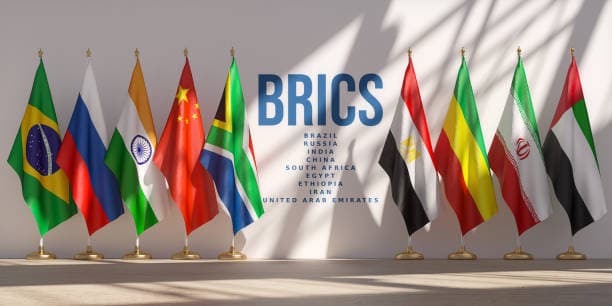
- Plans for hosting pivotal summits (Quad, BRICS, G-20) with active invitations to leaders amid geopolitical shifts.
Outlook for 2026:
- A focus on stabilizing India’s foreign policy amidst tumultuous global conditions and seeking pragmatic diplomatic engagements while addressing domestic critiques on foreign policy effectiveness and regional strategies. Efforts to mitigate tensions, particularly concerning Pakistan and China, remain critical.
Key Terms & Concepts
| U.S. Election 2024 | Impact on Indian foreign policy |
| Trump Administration | Implemented high tariffs on India |
| OPEC | Influence on oil prices |
| 3.1% | Projected global growth rate in 2026 |
| Nayara Energy | Joint venture facing sanctions |
| Gaza War | Escalating humanitarian crisis |
| SCO | Platform for diplomatic engagement |
| India-Middle East Economic Corridor | Stalled project |
| H-1B visas | Target of immigration policies |
| Taliban | Engaged in diplomatic outreach |
| Kailash-Mansarovar pilgrimage | Reopened pilgrimage route |
| Cyclone Ditwah | Disaster leading to humanitarian aid |
| $450 million |