iAspirants
India's Forests: Economic and Ecological Importance
Published on:
Share this post
Article Summary
Forest and Economic Impact in India - Summary Notes
Forest Coverage in India:
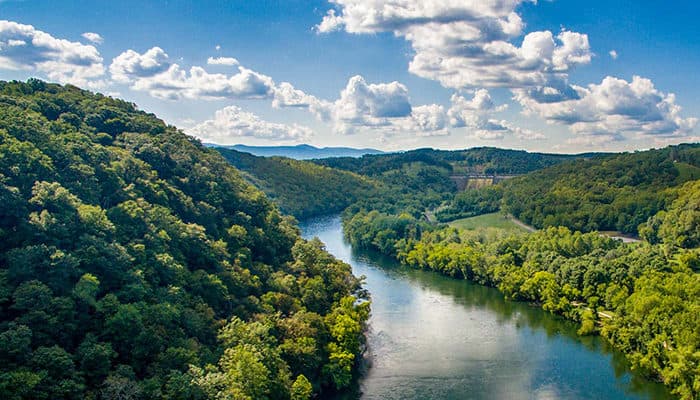
- Forest and tree cover: 25.17% of India's geographical area (India State of Forest Report 2023).
- Forests are crucial for ecological security, rural livelihoods, and supporting agriculture.
Global Context:
- Worldwide forest cover: 31% of land area (FAO Global Forest Resources Assessment 2020).
- Forests support the livelihoods of over 1.6 billion people globally.
Biodiversity and Ecosystem Services:
- Forests provide vital ecosystem services including watershed maintenance, aquifer recharge, soil fertility improvement, and support for pollinators.
- They house millions of species, contributing to biodiversity and resilience against climate change.
Forest Products:
- Key products include wood, timber, bamboo, honey, medicinal plants, as well as non-timber products like tendu leaves and mahua flowers.
- India's bamboo resources termed as “green gold” are pivotal for handicrafts and construction industries.
Agroforestry Benefits:
- Agroforestry combines trees with agriculture, enhancing biodiversity, soil health, and farmer income diversity through timber and fruits.
- Acts as a safety net for farmers during crop failures.
Strategies for Development:
- Strengthening traditional farming systems with sustainable practices can unlock economic opportunities for rural communities.
- The FAO promotes sustainable forest management through agroecology, agroforestry, and community-based natural resource management.
International Support and Funding:
- FAO projects funded by the Global Environment Facility (GEF) and the Green Climate Fund (GCF) to promote agroforestry among small, marginal, and vulnerable farmers.
Implementation Framework:
- FAO to develop Quality Planting Material (QPM) protocols to strengthen nursery standards for sustainable agroforestry.
- Focus on economic viability through cost-benefit analysis for tree-based farming models.
Climate Change Consideration:
- Acknowledgment that the impacts of climate change disproportionately affect vulnerable communities, guiding adaptation strategies.
Investment in Forests:
- Investing in forests is projected to yield climate resilience, enhance rural livelihoods, and support sustainable growth.
- The rationale that protecting forests is not just an environmental duty but also an economic investment for a sustainable future.
Government Initiatives:
- Ministry of Agriculture and Farmers’ Welfare collaborating with FAO for enhanced agroforestry practices and capacity building across India.
Sustainable Development Goals (SDGs):
- Affirms the link between sustainable forestry practices and several SDGs, promoting responsible consumption and production, climate action, and life on land.
This summary encapsulates crucial information about the intersection of forestry, economic policy, and sustainable livelihoods in India while emphasizing international collaboration and commitments.
Key Terms & Concepts
| India State of Forest Report 2023 | Annual forest coverage assessment |
| 31% of global land area | Global forest coverage statistic |
| 1.6 billion people | Number of livelihoods supported |
| Green Climate Fund (GCF) | Supports agroforestry adaptation programs |
| Global Environment Facility (GEF) | Funds sustainable resource management projects |
| Agroforestry | Integrates trees with agriculture |
| Quality Planting Material (QPM) | Standards for nursery certification |
| International Day of Forests | Promotes global forest importance |
| Food and Agriculture Organization (FAO) | Promotes sustainable forest management |
| Tribal communities | Forest-dependent livelihoods |
| Bamboo resources | Supports industries and livelihoods |