iAspirants
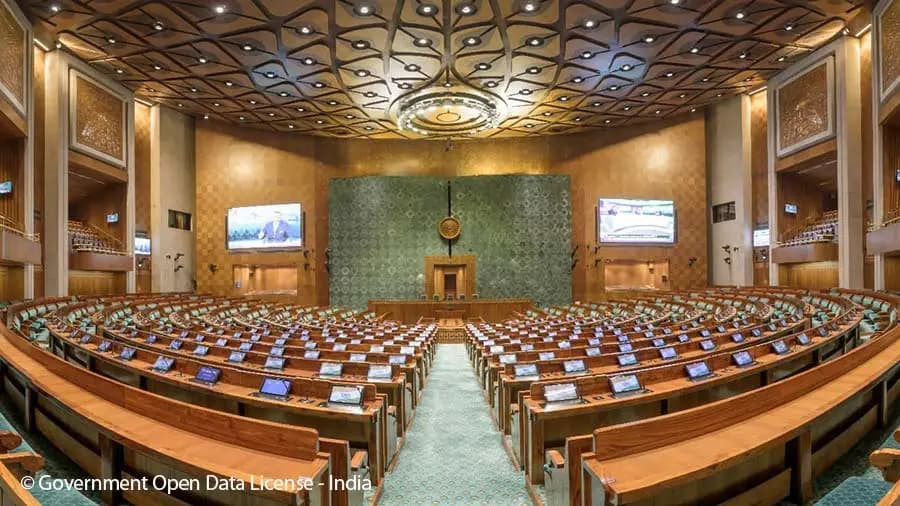
India's Gender-Representative Parliament 2029
Published on:
Share this post
Article Summary
Key Points on Women's Reservation and Elder Care Policy in India
1. Women's Reservation Act (2029)
- Legislation: The Women’s Reservation Act will reserve one-third of Lok Sabha seats for women, representing the largest expansion of women's political representation in India.
- Impact: Effective from elections in 2029, this act is crucial for gender representation in Parliament.
2. Urgent Need for Elder Care Policy
- Policy Gap: India lacks a structured elder care policy that specifically addresses the needs of women as they age.
- Current Framework: The National Policy for Older Persons (1999) and the Indira Gandhi National Old Age Pension Scheme primarily focus on poverty and health, neglecting gender-specific concerns.
3. Demographic Data
- Aging Population: There are currently over 100 million Indians over 60 years old, projected to surpass 250 million by 2040.
- Gender Disparity: Women tend to outlive men by 4-5 years but face greater disadvantages related to financial insecurity, lack of caregiving support, and absence of property ownership.
4. Health Challenges
- Dementia Statistics: A 2023 study in Alzheimer’s & Dementia estimates that 8.8 million seniors over 60 live with dementia, with the number expected to nearly double by 2036, predominantly affecting women.
5. Legislative Attention
- Lack of Parliamentary Focus: Parliamentary records show minimal inquiry into the issues faced by aging women, with no private member Bills or significant committee discussions addressing this demographic.
6. Model Initiatives
- Maharashtra Example: In January 2026, Maharashtra launched menopause clinics across 580 government facilities, resulting in over 31,000 women seeking help within five weeks—highlighting a successful response to women's health advocacy.
7. Political Preparedness
- Candidate Selection: Political parties are beginning to prepare candidate pipelines for the women-reserved seats. However, it is necessary to ensure that elected representatives advocate for comprehensive issues including elder care, not just gender representation.
8. Recommendations for Effective Representation
- Comprehensive Approach: Future candidates need to understand the holistic experiences of women, from their careers to elder care. This requires:
- Conducting a census for age- and gender-disaggregated data.
- Establishing transparent budgetary allocations for elder care.
- Political manifestos before elections should integrate commitments to dignified aging.
9. Conclusion
- Women like Gauri represent the growing urgency for policy reform in elder care, ensuring that when they vote in 2029 for a more representative Parliament, the representatives will have already engaged meaningfully with their concerns and experiences.
These notes emphasize the critical intersection between gender representation and elder care policy, highlighting the urgent need for comprehensive frameworks to address the realities faced by women in India.
Key Terms & Concepts
| Women’s Reservation Act | Reserves seats for women |
| National Policy for Older Persons | Guides elderly care policy |
| Indira Gandhi National Old Age Pension Scheme | Pension for older persons |
| 250 million by 2040 | Projected elderly population |
| 8.8 million living with dementia | Current dementia cases |
| 31,000 women visited menopause clinics | Response to health initiative |
| 2026 | Launch of menopause clinics |
| 2040 | Future demographic projection |
| Alzheimer’s & Dementia journal study | Research on dementia prevalence |