iAspirants
India's Geopolitical and Economic Overview 2026
Published on:
Share this post
Article Summary
Exam-Focused Notes on Global Landscape and India's Strategic Positioning in 2025-2026
Geopolitical Landscape
- Global Context: In 2026, the world is characterized by competing national interests, geopolitical turbulence, economic uncertainty driven by AI and tariffs, and climate change urgency.
- India's Position: India adopts a "multi-alignment" strategy, aiming to assert its role amidst a "jagged mosaic" of international policies and relationships.
Economic Indicators
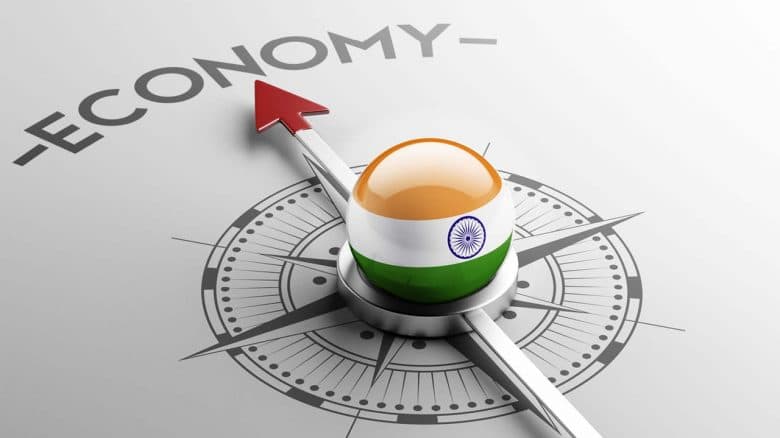
- Economic Growth: India is positioned as the world’s fourth-largest economy, surpassing Japan in 2025, moving toward a $5 trillion economy by 2028-29 per IMF projections.
- Currency and Trade: The rupee faced pressures due to US protectionism, yet India’s domestic fiscal stability remained strong.
- Labour Codes: Enactment of four major labor codes in November 2025 signals significant labor reform aimed at fostering a more competitive economy.
Key Government Initiatives
- National Critical Mineral Mission: Aimed at bolstering India's supply chain resilience, particularly for critical minerals necessary for the electric vehicle sector.
- SHANTI Act: A potential turning point for attracting private investment in nuclear energy, although concerns exist regarding liability for taxpayers.
- Trade Agreements: Proactive negotiations initiated with countries such as the UK, New Zealand, and the European Union to diversify India’s export markets.
Climate and Environmental Initiatives
- COP 30 Participation: India positions itself as a voice for the Global South, advocating for equitable climate action and support from developed nations.
- International Solar Alliance: Continued leadership in promoting clean energy solutions globally, while grappling with dependence on coal, indicating a dual approach to energy policy.
Technological Advancements
- AI Impact: In 2025, AI illustrates its profound effect on various sectors, with India poised to lead in AI innovation through reskilling and inclusive digital ecosystems.
- Digital Diplomacy: India aims to establish a "tech-diplomacy" footprint by exporting its digital systems (like UPI) as alternatives to competitors' technologies.
Strategic Foreign Relations
- Military and Defense Ties: Engage in initiatives like the Africa-India Key Maritime Engagement (AIKEYME) and maintain ties with significant nations like Russia despite Western scrutiny.
- Global South Relations: Strengthening ties with emerging economies while managing relationships with major powers like the US, Russia, and China reflects India's commitment to a balanced global presence.
Challenges and Considerations
- Trust Issues: A trend of "weaponized interdependence" undermines traditional alliances and economic relations, highlighting a need for India to build trust through public goods and collaborative projects.
- Social Inclusivity: The challenge remains to prevent a widening gap between urban technology centers and rural populations amidst rapid technological advancement.
Constitutional and Legislative Framework
- Adaptation of Laws: Legislative initiatives such as the labor codes align with India's evolving economic needs, while the SHANTI Act showcases the government’s adaptability to changing energy demands.
Summary of Strategic Direction
India’s approach in 2025-2026 reflects a pragmatic blend of multi-alignment and strategic autonomy, navigating the complexities of global interdependence while prioritizing national interests through comprehensive reforms, proactive diplomacy, and a commitment to sustainable development.
Key Terms & Concepts
| India | Key regional player |
| China | Export restrictions on minerals |
| US | Imposed tariffs on India |
| National Critical Mineral Mission | Supports supply-chain resilience |
| Mineral Security Partnership | Strengthens US and Australia ties |
| IMF | Adjusted economic milestone to 2028-29 |
| $5 trillion | Economic target for India |
| 15th India-Japan Annual Summit | Strengthened bilateral relations |
| COP 30 | India's climate action leadership |
| International Solar Alliance | Promotes clean energy |
| UPI payment network | Facilitates digital transactions |
| India Stack | Digital infrastructure export |
| AI innovation |