iAspirants
Current AffairsPrelims PYQsUPSC CSE SyllabusUPSC CSE StrategyBlogsPricing
Login
iAspirants
Current AffairsPrelims PYQsUPSC CSE SyllabusUPSC CSE StrategyBlogsPricingContact UsLoginSignUp
iAspirants

Your AI-powered companion for UPSC preparation.

Study Resources

  • Current Affairs
  • Prelims PYQs
  • UPSC CSE Syllabus
  • UPSC CSE Strategy
  • Blogs

Practice & Plans

  • Mains Answer Evaluation
  • Pricing
  • Sign Up
  • Login

Company

  • Home
  • About Us
  • Contact Us
  • FAQs

Legal

  • Privacy Policy
  • Terms & Conditions
  • Return Policy

© 2026 iAspirants, Inc. All rights reserved.

  1. Blogs
  2. Science and Technology

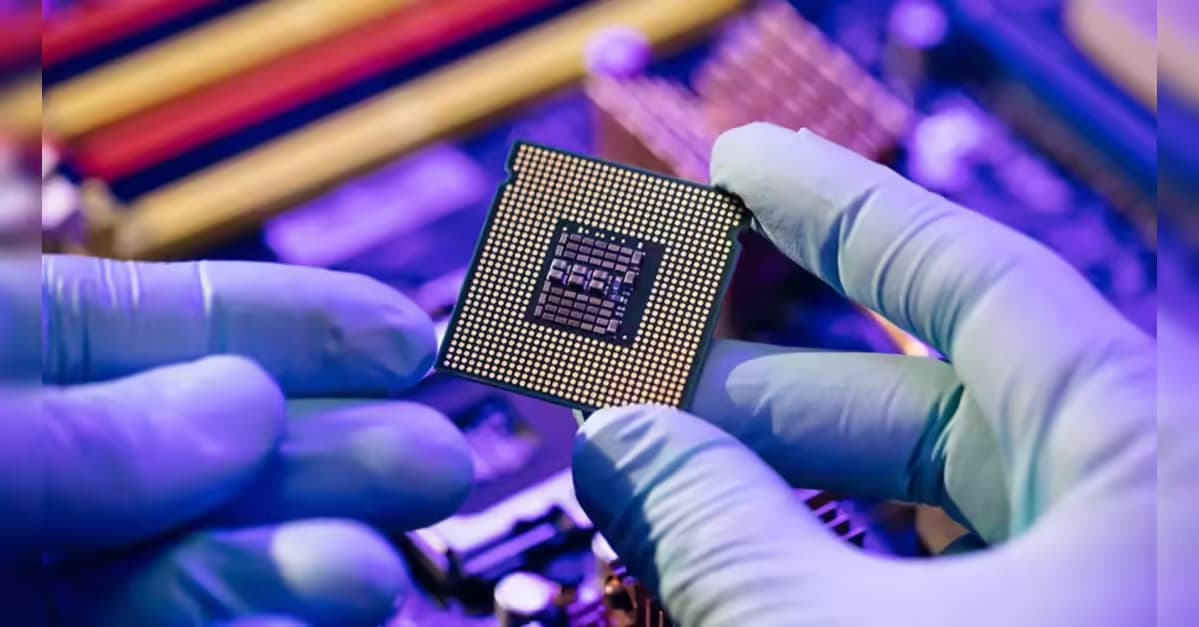
India's Growth in Semiconductor Manufacturing

Published on: 19-Sep-2026

Source: Indian Express

Share this post
India's Growth in Semiconductor Manufacturing

Article Summary

Semiconductor Manufacturing in India - Key Highlights

  1. Government Initiatives and Programmes:

    • Inauguration of SEMICON India 2026 by Prime Minister Narendra Modi.
    • Launch of Semicon 2.0, a Rs 1.27 lakh crore programme focusing on diverse semiconductor areas such as equipment, materials, design, R&D, and skilled workforce.
    • Accelerated growth to commercial production of semiconductor chips within four years; a process typically taking a decade.
  2. Semiconductor Mission:

    • 12 projects approved under the first phase of the India Semiconductor Mission; three already underway in commercial production.
    • Aimed at building a comprehensive semiconductor ecosystem as a national priority.
  3. Market Demand and Economic Data:

    • Semiconductor market demand projected to reach $110 billion by FY30 and exceed $200 billion by FY35.
    • India spent approximately $150 billion on semiconductor imports from FY17 to FY25, with a CAGR of 23%. Annual imports could rise to $240 billion by 2035 if trends continue.
  4. Private Sector Engagement:

    • PM Modi emphasized the need for greater private sector involvement in R&D and advanced tech development.
    • Calling for the bridging of Indian and overseas expertise in the semiconductor sector.
  5. International Investment:

    • Applied Materials: $5 billion investment over the next decade, including the establishment of a 140-acre semiconductor research park and increasing supply-chain capacity.
    • Lam Research: Plans to invest Rs 10,000 crore to build a silicon-component manufacturing facility focused on advanced semiconductor technologies.
    • Micron Technology: Began shipping products from its Sanand facility in Gujarat; aims to scale production significantly in the coming years.
  6. Global Perspective:

    • Shift noted in the industry from planning to actual production, reflecting trust and confidence in India's semiconductor potential.
    • Infineon Technologies expanding its workforce in India; more than 2,800 employees, indicating the growing global involvement in the Indian semiconductor ecosystem.
  7. Technological Development:

    • Indian researchers contributing significantly to R&D with over 3,700 patents and inventions recorded by Micron Technology.
    • Emphasis on developing domestic capabilities in the semiconductor value chain.

Conclusion: India is positioning itself as a global alternative for semiconductor manufacturing amid rising global demand. The government's strategic initiatives and partnerships, alongside private sector investments and technological advancements, underscore a significant shift towards self-reliance in semiconductor production.

Key Terms & Concepts

SEMICON India 2026Event for semiconductor innovations
India Semiconductor MissionProgram for chip manufacturing
Rs 1.27 lakh croreFunding for semiconductor initiatives
$110 billionProjected semiconductor demand by FY30
$5 billionInvestment by Applied Materials
140-acre advanced semiconductor research parkFacility for semiconductor research
Rs 10,000 croreInvestment by Lam Research
GujaratLocation of Micron’s Sanand facility
3,700 patentsInnovations contributed by Micron
Global supply chainsContext for semiconductor diversification
CAGR of 23%Growth rate of semiconductor imports
Annual imports could reach $240 billion by 2035Future import projection

Mind Map for UPSC Civil Services Revision

Turn UPSC Civil Services Current Affairs Into Exam-Ready Notes

Reading Science and Technology current affairs is half the work. Revise them with ready-made notes and test what actually stuck.

  • Daily UPSC Civil Services current affairs analysis
  • Revision notes, mind maps & MCQs
  • Prelims mock tests with instant results

Related UPSC Civil Services Current Affairs Articles

AI Enhances Infostealer Malware Threats
Science and Technology03-Nov-2026

AI Enhances Infostealer Malware Threats

Cybersecurity Threat: AI-Enhanced Infostealer Malware

Overview: Researchers at Cisco's Talos threat intelligence unit have identified a new strain of infostealer malware called “Volta-Autodoxer” that leverages artificial intelligence (AI) to enhance its capabilities in targeting and extracting information from victims. This malware represents a significant evolution in cyber threats as it automates the process of profiling victims to determine high-value targets.

International collaborationAvenues for global partnerships
Practise Mains answer writingUpload a handwritten answer and get it evaluated

Key Features of Volta-Autodoxer:

  • Automation: The malware automates traditionally manual tasks, significantly compressing the timeline of cyber-attacks.
  • Target Profiles: Targets younger internet users with active online lifestyles.
  • Data Collection: Gathers a comprehensive array of sensitive information including:
    • Usernames and passwords from browsers.
    • Microsoft OAuth tokens.
    • Cookies and payment card information.
    • Crypto wallet seed phrases.
  • Social Media Targeting: Specifically designed to extract information from platforms like Discord, Telegram, Steam, and Roblox.

Operational Methodology:

  • The malware first collects data from a variety of applications including email and food delivery services. The analysis is then performed using AI models like Anthropic’s Claude Opus, Google's Gemini, or open-source alternatives.
  • It creates structured reports on victims, including their worth and operational security considerations.

Security Implications:

  • Increased Risk: Malicious actors with lower technical skills can now execute sophisticated attacks previously reserved for more advanced hackers, suggesting a democratization of cyber threats.
  • Data Breaches: Infostealers have been linked to several major data breaches in the past, compounding the urgency around cybersecurity measures.

Judicial and Regulatory Context:

  • Cybersecurity Laws and Regulations: The rise of sophisticated malware like Volta-Autodoxer underscores the ongoing need for robust cybersecurity legislation and international cooperation in combating cyber threats. References may include laws related to cybercrime and data protection standards.

International Cybersecurity Trends:

  • Cybersecurity experts, including those from Crowdstrike, have noted an increase in hacking groups utilizing AI tools to breach networks across various sectors, including governmental and healthcare entities.

Science and Technology Implications:

  • The integration of AI into malware signifies a trend where machines are not only enhancing productivity but are also being misused for malicious purposes. This calls for a re-evaluation of cybersecurity frameworks and technologies designed to mitigate AI-related threats.

Economic Indicators:

  • The increasing prevalence of AI in cybercrime may necessitate greater investment in cybersecurity solutions, impacting industry growth figures and potentially influencing stock markets related to cybersecurity firms.

Conclusion:

The emergence of AI-enhanced malware like Volta-Autodoxer highlights a critical intersection of technology, cybersecurity, and policy. Enhanced awareness, regulation, and rapid advances in cybersecurity tools will be essential to mitigate these evolving threats.

IIT-Madras and Saint-Gobain Partnership
Science and Technology03-Nov-2026

IIT-Madras and Saint-Gobain Partnership

Collaboration on Sustainable Construction Research

  • Partnership: Saint-Gobain India and IIT-Madras are collaborating to enhance innovation in sustainable construction materials and digital technologies.

  • Funding: The initiative is supported by a grant of ₹3.8 crore over a three-year period.

  • Laboratories:

    • Digital Real-Time Sensing Technologies for Infrastructure (DRSTI):

      • Focus: Monitoring construction progress and assessing quality.
      • Objectives: Improve productivity and evaluate building performance.
    • Concrete Admixture Research for Engineering Next-gen Construction (CAREN):

      • Focus: Investigating interactions between chemical admixtures and alternative cementitious materials.
      • Aim: To identify supplementary materials that can partially substitute Portland cement.
  • Goals: Address critical challenges in the construction sector including:

    • Productivity enhancements.
    • Increased material efficiency.
    • Improved structural durability.
    • Facilitation of digital transformation within the industry.
  • Location: The research labs will be based at the Centre of Excellence on Technologies for Low-carbon and Lean Construction at IIT-Madras.

This partnership positions itself to contribute significantly towards sustainable practices in the construction industry, aligning with global efforts for low-carbon construction methodologies.

India's Shift Towards Electrification Strategy
Economic and Social Development03-Nov-2026

India's Shift Towards Electrification Strategy

Summary of Key Points

Economic Indicators:

  • India imports about 60% of its LPG, with 90% of shipments passing through the Strait of Hormuz.
  • The NITI Aayog report forecasts that India's fuel import bill could drop from about 4% of GDP to 0.2% by 2070 through increased electrification.
  • In 2025, India became the world's fourth-largest producer of clean electricity.
  • Bureau of Energy Efficiency (BEE) programs saved 53.6 million tonnes of oil equivalent in 2023-24.

Government Policies and Schemes:

  • Shift towards electrification viewed as a component of economic security and strategy.
  • Focus areas include industrial heat transition and kitchen electrification, which currently rely heavily on coal, oil, and gas.
  • BEE's standards and labeling program for energy-efficient appliances has been successful and could be adapted for heat pumps and induction cooktops.

Judicial and Regulatory Updates:

  • The government deferred mandatory star labeling for induction cooktops until January 2027 to maintain supply during the LPG shortage.

International Context:

  • Electrification could aid Indian exporters in complying with international carbon border adjustments, such as the EU's CBAM (Carbon Border Adjustment Mechanism).

Science and Technology Updates:

  • Opportunity to utilize heat pumps for industrial needs; they can deliver 2.5 to 4 times more heat than traditional electric boilers.
  • Current usage of electric energy in Indian industries is low—around 25%, compared to 50% in China.

Transition Challenges:

  • High initial costs and slow return on investment for heat pumps are barriers for adoption in Indian industries.
  • Over 90% of heat pumps in India are imported, contributing to vulnerability to supply shocks.

Market Dynamics:

  • Confidence issues surround energy efficiency claims, as manufacturers use varying standards.
  • Development of Indian-specific standards and a star labeling system for heat pumps is underway to enhance consumer trust.

Conclusion

The shift toward electrification in India offers a pathway to reduced fuel dependency and improved energy efficiency in industries and households. The BEE's initiatives and regulatory developments are key to facilitating this transition, supporting both economic growth and environmental objectives.

Successful Launch of NVS-03 Satellite
Science and Technology31-Oct-2026

Successful Launch of NVS-03 Satellite

Summary of ISRO’s NVS-03 Launch and NavIC System

ISRO and Launch Details

  • Mission: GSLV-F18 successfully launched NVS-03, a next-generation navigation satellite, from Sriharikota Spaceport.
  • Lift-off: October 30, 2026, with a completion time of 18.46 minutes to enter the geosynchronous transfer orbit.
  • Mission Gaps: The NVS series has experienced significant gaps in launches: NVS-01 (May 2023), NVS-02 (January 2025), and now NVS-03 (October 2026) represents a gap of nearly 20 months.
  • Challenges: ISRO faced three failures in six missions from January 2025 to January 2026 which slowed the launch pace.

NavIC System Overview

  • Operational Requirement: NavIC (Navigation with Indian Constellation) needs at least four satellites for effective core service, but currently, only three of the 11 satellites are operational.
  • Current Satellites:
    • IRNSS-1B - Exceeded its 10-year lifespan.
    • IRNSS-1I - Functional until approximately 2028.
    • NVS-01 - Operational for at least another decade.
  • Recent Setbacks: NVS-02 was rendered ineffective due to a failure in its onboard engine, affecting its operational capacity.

Future Needs for NavIC

  • To restore NavIC to minimum operational capacity, ISRO requires at least two additional satellites (NVS-04 and NVS-05).
  • For robust functionality and redundancy, a constellation of six to seven satellites is necessary for sustained performance and coverage.

Comparison with Global Navigation Systems

  • Global Positioning System (GPS): Operated by the USA with at least 30 satellites for reliability and uninterrupted service.
  • BeiDou System: China’s alternative to GPS, consisting of approximately 35 satellites providing global navigation services.

Key Facts and Figures

  • Launch Date of NVS-03: October 30, 2026.
  • Total Satellites Needed for NavIC Basic Functionality: At least 4.
  • Current Operational Satellites: 3.
  • Historical Launch Gaps: 19 months between NVS-01 and NVS-02, almost 20 months for NVS-02 to NVS-03.
  • Technical Lifespan of Satellites:
    • IRNSS-1B: Exceeded lifespan.
    • NVS-01: At least ten more years.

Importance

  • The successful launch of NVS-03 is critical for enhancing India’s indigenous navigation capabilities and mitigating the risks caused by the recent operational failures observed in NavIC’s constellation.

This summary encapsulates the necessary points regarding the recent advancements in India's satellite launch efforts and the implications for the NavIC navigation system, focusing on facts and figures essential for examination purposes.

Israel Elections Impact on India-Israel Ties
International Relations27-Oct-2026

Israel Elections Impact on India-Israel Ties

Israel Elections 2026 Overview and Implications for India-Israel Relations

Key Facts and Figures

  • Date of Election: October 27, 2026.
  • Parliament Structure: The Knesset consists of 120 members.
  • Prime Minister Candidates:
    • Benjamin Netanyahu (Likud)
    • Gadi Eisenkot (Yashar, former army chief)
    • Naftali Bennett (former prime minister)

Domestic Political Landscape

  • Predictions: Pre-election surveys indicate a potential hung parliament, with no party likely to secure a majority.
  • Major Issues: Candidates focus on security, particularly concerning Iran, Hamas, and the Palestinian Authority.
    • Netanyahu emphasizes a hard stance against Hamas and opposition to Palestinian statehood.
    • Eisenkot proposes more moderate rebuilding efforts and limited engagement with the Palestinian Authority.

Implications for India

  • Core Interests:
    • Defence Cooperation: India and Israel signed a memorandum of understanding on defense cooperation in November 2025 and elevated their relationship to a “Special Strategic Partnership for Peace, Innovation, and Prosperity” during Modi's February 2026 visit.
    • Technological Collaboration: Areas of focus include artificial intelligence, cybersecurity, water management, agriculture, and space.
    • Bilateral Trade: Ongoing negotiations for a free trade agreement with regional forums like I2U2 (India, Israel, US, UAE) and the India-Middle East-Europe Economic Corridor (IMEC).

Stability of Relations

  • Continuity Assured: Regardless of the election outcome, officials suggest India-Israel relations will remain strong.
    • Mishelle Sirota (Israeli Embassy Spokesperson): Stated that diplomatic ties will not change regardless of the election results.
  • Potential Changes:
    • A new Israeli prime minister could alter the dynamics of personal rapport with Indian Prime Minister Narendra Modi but key strategic interests are expected to persist.

Other Considerations

  • Strategic Balance: India will need to navigate its defense partnership with Israel while considering broader interests in the Gulf and West Asia, particularly concerning energy supplies and regional trade.
  • Regional Context: The outcome of the elections could affect India's diplomatic priorities and responses to rising tensions in West Asia, particularly in relation to conflicts involving Iran and its allies.

Summary

The elections in Israel are pivotal for shaping the future of India-Israel relations, with anticipation of continuity in defense and technological cooperation regardless of the outcome. While Netanyahu's potential victory would likely preserve existing channels of communication between him and Modi, any change in leadership could introduce new dynamics. Ongoing bilateral trade discussions and regional initiatives further underline the strategic importance of the relationship.