iAspirants
Current AffairsPrelims PYQsUPSC CSE SyllabusUPSC CSE StrategyBlogsPricing
Login
iAspirants

Your AI-powered companion for UPSC preparation.

Quick Links

  • Home
  • About Us
  • Current Affairs
  • Prelims PYQs
  • UPSC CSE Syllabus
  • UPSC CSE Strategy
  • Blogs

Company

  • Pricing
  • FAQs
  • Contact Us
  • Login

Legal

  • Privacy Policy
  • Terms & Conditions
  • Return Policy

© 2025 iAspirants, Inc. All rights reserved.

  1. Blogs
  2. Health and Medicine

India's Ongoing Battle Against Tuberculosis

Published on: 16-Nov-2025

Share this post

India's Ongoing Battle Against Tuberculosis

Article Summary

Tuberculosis (TB) in India: Summary of Key Findings

  1. Current TB Burden and Statistics:

    • In 2024, India reported approximately 2.71 million cases of TB and over 300,000 deaths, positioning it as a leading contributor to global TB cases.
    • Worldwide, TB was responsible for 10.7 million infections and 1.23 million deaths in 2024, making it the deadliest infectious disease.
  2. Global TB Report Insights:

    • The Global TB Report 2025 indicates India accounted for 8.8% of the global diagnostic gap, second only to Indonesia (10%).
    • TB incidence in India declined by 21% and TB deaths by 28% from 2015 to 2024, falling short of the End TB strategy targets which aim for 50% reduction in cases and 75% in deaths by 2025.
  3. Government Initiatives and Targets:

    • Prime Minister Narendra Modi set a target to eliminate TB by 2025, five years ahead of the global WHO goal.
    • The WHO End TB strategy aims for an 80% decline in new cases and 90% decline in TB deaths by 2030 based on 2015 figures.
    • Treatment coverage improved significantly to 92% in 2024, up from 85% in 2023, primarily due to innovative case-finding and decentralized services.
  4. Innovative Treatments and Technologies:

    • Introduction of the BPaL regimen, reducing treatment duration for resistant TB from 18-24 months to 6 months.
    • Use of AI-enabled X-ray devices has enhanced early detection during community screening campaigns.
  5. Challenges with Drug Resistance:

    • India contributes nearly 33% of global drug-resistant TB cases, with 12.63% of previously treated and 3.64% of new cases classified as drug-resistant.
    • The TB treatment success rate stood at 90%, above the global average of 88%.
  6. Broader Health Context:

    • Interlinked issues like air pollution and diabetes are contributing factors; an estimated 320,000 TB cases in 2024 were linked to diabetes.
    • The COVID-19 pandemic hindered TB management by reallocating healthcare resources.
  7. Screening Efforts:

    • A significant active screening campaign has reached over 19 crore vulnerable individuals, resulting in the identification of 24.5 lakh cases including 8.61 lakh asymptomatic cases.

Relevant Constitutional References and Policies:

  • The efforts to combat TB align with India’s Constitutional Directive Principles of State Policy (DPSPs), particularly Article 47 which directs the State to improve public health and nutrition.

Summary of Global and National Goals:

  • The fight against TB is essential not only for meeting national health targets but also to minimize the global TB burden, necessitating strong intersectoral collaboration among healthcare professionals, regulatory bodies, and community stakeholders.

This analysis underlines the urgency of improving TB management strategies and addressing systemic challenges to align with global health standards and national aspirations for better public health outcomes.

Key Terms & Concepts

Global TB Report 2025Reports TB burden and statistics
27.1 lakhReported TB cases in India 2024
3 lakhReported TB deaths in India 2024
10.7 millionGlobal TB infections in 2021
1.23 millionGlobal TB deaths in 2021
26.18 lakhHighest diagnosed TB cases 2024
80%Percentage of estimated cases diagnosed
8.8%India's contribution to global TB gap
END TB targetsIndia's targets for TB elimination
2025Target year for TB elimination
21%Reduction in new TB cases since 2015
28%Reduction in TB deaths since 2015
50%

Mind Map for UPSC Civil Services Revision

Turn UPSC Civil Services Current Affairs Into Exam-Ready Notes

Reading Health and Medicine current affairs is half the work. Revise them with ready-made notes and test what actually stuck.

  • Daily UPSC Civil Services current affairs analysis
  • Revision notes, mind maps & MCQs
  • Prelims mock tests with instant results

Related UPSC Civil Services Current Affairs Articles

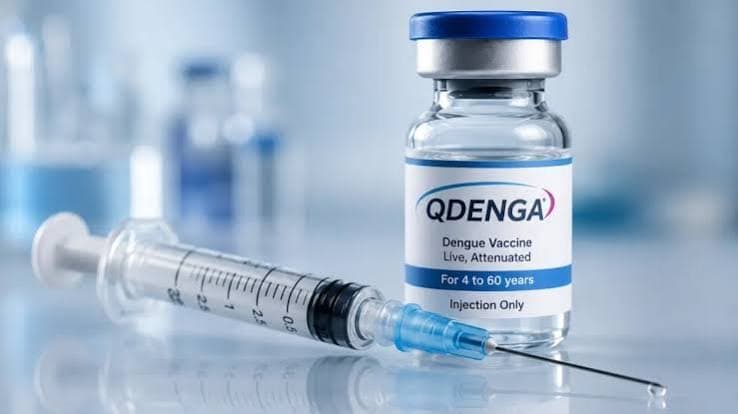
India Approves Qdenga Dengue Vaccine
Science and Technology25-Jul-2026

India Approves Qdenga Dengue Vaccine

Key Points on Qdenga Dengue Vaccine Approval and Implications

1. Vaccine Approval and Licensing:

  • Qdenga: The first dengue vaccine approved in India by the Central Drugs Standard Control Organization (CDSCO), following licensing in over 40 countries and prequalification.
Target reduction in TB incidence by 2025
75%Target reduction in TB deaths by 2025
92%Treatment coverage in India 2024
BPaL regimenShortens TB treatment duration
12.63%Drug-resistant TB cases among treated patients 2024
90%Success rate of TB treatment in 2024
3.2 lakhTB cases attributable to diabetes 2024
AI-enabled X-ray devicesAdvanced screening technology for TB
19 croreVulnerable individuals screened for TB
24.5 lakhTB cases detected during screening
8.61 lakhAsymptomatic TB cases detected
World Health Organization (WHO)
  • Addresses significant dengue burden in India, particularly during recent years with increased disease prevalence due to enhanced surveillance.
  • 2. Disease and Vector Control:

    • Aedes mosquitoes, the vector for dengue, are spreading into semi-urban and rural areas, complicating vector control efforts.
    • The vaccine aims to combat the four dengue serotypes, essential due to the risk of severe disease during subsequent infections.

    3. Challenges in Vaccine Development:

    • Serotype Diversity: The dengue virus consists of four distinct serotypes - DENV-1, DENV-2, DENV-3, and DENV-4. Antibody-dependent enhancement can occur with a second infection.
    • Historical challenges faced by previous vaccines like Dengvaxia, which required screening for prior dengue infection.

    4. Qdenga's Efficacy:

    • Varying efficacy against different serotypes: Protection is strongest against DENV-2, followed by DENV-1. Uncertainty exists for DENV-3 and DENV-4, particularly in dengue-naïve individuals.
    • Qdenga necessitates two doses, administered three months apart, which raises concerns regarding coverage, especially in mobile populations.

    5. Risk of Infection and Efficacy Timing:

    • If a seronegative individual receives the first dose and encounters DENV-3 shortly after, the immunity may not be sufficient, potentially leading to severe illness.
    • TIDES trial highlighted concerns about ‘negative efficacy’ related to DENV-3 among seronegative children, complicating the rollout.

    6. Economic and Accessibility Challenges:

    • Takeda's tiered pricing strategy may result in high costs of the vaccine, limiting access for economically disadvantaged urban populations.
    • The government must negotiate pricing to ensure the vaccine's accessibility to high-risk groups, particularly those in urban slums.

    7. Policy and Government Action:

    • Effective administration of the Qdenga vaccine is crucial and requires strategic planning to ensure high uptake among vulnerable populations.
    • The delivery framework should not only focus on vaccine development but also on effective distribution and follow-up dosing.

    Conclusion:

    The introduction of the Qdenga dengue vaccine represents a significant advancement in public health efforts against dengue in India, yet the successful rollout will depend on addressing logistical, economic, and public health challenges. Effective policymaking and community engagement will be vital in realizing the vaccine's potential in reducing dengue burden within the population.

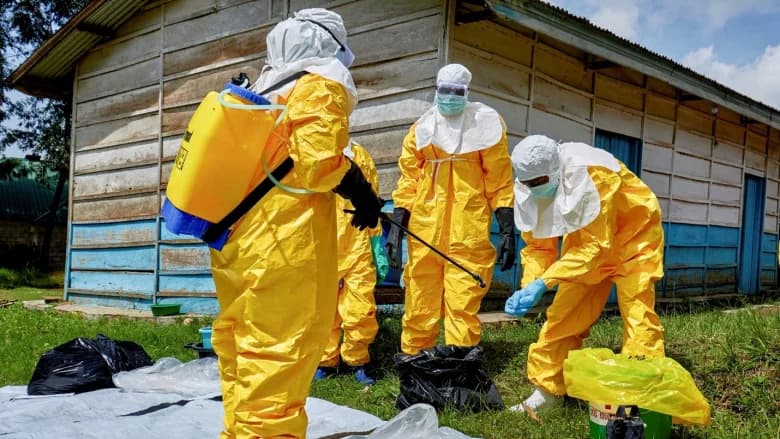
    Ebola Outbreak in Democratic Republic of Congo
    Health and Medicine01-Jul-2026

    Ebola Outbreak in Democratic Republic of Congo

    Ebola Outbreak in the Democratic Republic of Congo: Key Facts

    Current Status:

    • Confirmed Ebola cases: 1,333
    • Recorded deaths: 399
    • Initial outbreak declaration: May 15, 2026

    Affected Regions:

    • Primary areas impacted: Ituri, North Kivu, and South Kivu.
    • New concerns in Tshopo province after exposure risk from the body of a deceased pregnant woman.

    Health Response:

    • Congolese health authorities are conducting contact-tracing efforts, particularly focusing on Tshopo and Haut-Uele provinces.
    • The deceased woman's body was transported approximately 300 km to Kisangani, raising fears of potential transmission across multiple health zones.
    • Two contacts from Niania who fled to Haut-Uele have been traced; one tested positive for Ebola, and the other awaits confirmation.

    Transmission Risks:

    • High risk of transmission identified due to the body’s journey through various health zones before diagnosis.
    • Efforts to trace contacts and isolate those potentially exposed are ongoing.

    Government Highlights:

    • Health Ministry actively tracking Ebola exposure and implementing containment measures to prevent further spread.
    • The situation demands continuous monitoring due to the fluid nature of the outbreak and potential for new cases emerging in adjacent provinces.

    Public Health Implications:

    • The outbreak underlines ongoing challenges in managing communicable diseases in regions with extensive cross-border interactions, especially considering neighboring countries like South Sudan and the Central African Republic.

    Conclusion: The situation remains critical as health officials work to control the outbreak and mitigate further transmission through rigorous contact tracing and public health interventions.

    Understanding the Impact of Organ Transplantation
    Health and Medicine17-May-2026

    Understanding the Impact of Organ Transplantation

    Exam-Focused Notes on Organ Transplantation

    Overview

    • Organ transplantation is a critical medical intervention that restores life by replacing failing organs, allowing patients to regain normal bodily functions and improve their quality of life.

    Key Facts and Statistics

    • Organ failure can occur due to congenital defects, autoimmune diseases, infections, and other medical conditions.
    • Common misconceptions include the belief that transplantation is a last resort and that recipients remain perpetually ill.
    • Successful transplants enable recipients to return to normal activities, including work and family care.

    Medical Insights

    • Transplantation is not merely about prolonging life; it is about restoring health and enabling patients to contribute to society and the economy.
    • Post-transplant care involves lifelong follow-up and immunosuppressant medications to prevent organ rejection, but this does not equate to chronic illness.

    Social Implications

    • There is a stigma surrounding organ failure and transplantation; not all failures are due to lifestyle choices.
    • The perception of transplantation as an exclusive option for the wealthy is inaccurate; many underprivileged patients also receive transplants through state support.
    • Families often face financial strain due to the costs associated with transplantation, leading to savings depletion or crowdfunding efforts.

    Economic Impact

    • A successful organ transplant can significantly enhance the recipient's ability to work, providing not only personal dignity but also economic stability for their families.
    • The positive effects of transplantation extend beyond the individual to the family unit and community.

    Challenges

    • Organ donor shortages remain a significant barrier to transplantation.
    • Awareness of deceased organ donation is inconsistent, affecting the availability of organs for transplant.

    Future Directions

    • Ongoing advancements in medical technology and techniques are improving transplant outcomes and expanding the possibilities for patients.
    • Education and awareness campaigns are crucial for correcting misconceptions and increasing organ donation rates.

    Constitutional and Legal Context

    • While the article does not explicitly reference constitutional articles, it is important to note that healthcare access and the right to life and health care can be tied to constitutional provisions in various jurisdictions.
    • Policies supporting organ donation and transplantation programs are critical for enhancing public health outcomes.

    Conclusion

    Understanding organ transplantation is vital as it represents a pivotal turning point in patients' lives, allowing them to reclaim their health and reintegrate into society. Addressing misconceptions and increasing awareness can help improve organ donation rates and patient outcomes.