iAspirants
Current AffairsPrelims PYQsUPSC CSE SyllabusUPSC CSE StrategyBlogsPricing
Login
iAspirants

Your AI-powered companion for UPSC preparation.

Quick Links

  • Home
  • About Us
  • Current Affairs
  • Prelims PYQs
  • UPSC CSE Syllabus
  • UPSC CSE Strategy
  • Blogs

Company

  • Pricing
  • FAQs
  • Contact Us
  • Login

Legal

  • Privacy Policy
  • Terms & Conditions
  • Return Policy

© 2025 iAspirants, Inc. All rights reserved.

  1. Blogs
  2. Economic and Social Development

India's Progress in Tuberculosis Management

Published on: 13-Nov-2025

Share this post

India's Progress in Tuberculosis Management

Article Summary

Key Highlights on India's Tuberculosis (TB) Progress

  1. Incidence Reduction:

    • TB incidence in India fell by 21% from 237 cases per lakh population in 2015 to 187 per lakh by 2024.
    • This decline is significantly higher than the global average of 12% as reported by the World Health Organization (WHO) in the Global TB Report 2025.
  2. Innovative Case Finding:

    • The country's approach includes swift adoption of newer technologies, decentralisation of services, and extensive community mobilization.
    • Treatment coverage surged to over 92% in 2024, from just 53% in 2015.
    • 26.18 lakh TB patients were diagnosed in 2024, with an estimated incidence of 27 lakh cases.
  3. Reduction of Missing Cases:

    • "Missing cases" (those undiagnosed) decreased dramatically from an estimated 15 lakh in 2015 to less than one lakh in 2024.
  4. Multidrug-Resistant TB:

    • No significant increase in the number of multidrug-resistant (MDR) TB patients reported.
    • The treatment success rate for India's TB Mukt Bharat Abhiyan increased to 90%, surpassing the global average of 88%.
  5. Mortality Rate Improvement:

    • TB mortality rate reduced from 28 per lakh population in 2015 to 21 per lakh in 2024, indicating positive progress in mortality reduction related to TB.
  6. TB Mukt Bharat Abhiyan:

    • Launched in December 2024, the flagship mission has screened over 19 crore vulnerable individuals across India.
    • This extensive outreach led to the detection of over 24.5 lakh TB patients, including 8.61 lakh asymptomatic cases.

Conclusion

India's proactive measures and strategic initiatives in TB detection and treatment have yielded considerable enhancements in health outcomes, indicating significant progress towards TB elimination. The combination of community mobilization, advanced technology application, and strong governance through schemes like the TB Mukt Bharat Abhiyan is crucial in these outcomes. This progress is vital for meeting both national health goals and global tuberculosis elimination targets.

Key Terms & Concepts

Tuberculosis (TB)Major health concern
21%Fall in TB incidence
237 TB cases per lakhIncidence in 2015
187 TB cases per lakhProjected incidence in 2024
WHO Global TB Report 2025International health report
92%Treatment coverage in 2024
53%Treatment coverage in 2015
15 lakhMissing cases in 2015
1 lakhMissing cases in 2024
90%Treatment success rate
TB Mukt Bharat AbhiyanFlagship TB elimination mission
28 per lakhTB mortality rate in 2015
21 per lakhTB mortality rate in 2024

Mind Map for UPSC Civil Services Revision

Turn UPSC Civil Services Current Affairs Into Exam-Ready Notes

Reading Economic and Social Development current affairs is half the work. Revise them with ready-made notes and test what actually stuck.

  • Daily UPSC Civil Services current affairs analysis
  • Revision notes, mind maps & MCQs
  • Prelims mock tests with instant results

Related UPSC Civil Services Current Affairs Articles

Tata Sons Faces Leadership Challenges
Economic and Social Development20-Sep-2026

Tata Sons Faces Leadership Challenges

Tata Sons Pvt. Ltd. Overview

Establishment and Structure:

  • Established in December 1917; transitioned from public company to private in 2017.
  • Headquarters: Bombay House, South Mumbai.
  • Governed by a Board of Directors led by (executive chairman).
19 croreIndividuals screened for TB
24.5 lakhTB patients detected
8.61 lakhAsymptomatic TB cases detected
December 2024Launch of TB Mukt Bharat Abhiyan
12%Global decline in TB incidence
N. Chandrasekaran

Ownership:

  • Majority owned (66%) by Tata Trusts, which are philanthropic entities established from Tata family contributions.
  • Other shareholders: Shapoorji Pallonji Group (18%), Tata Group companies (13%), individuals (3%) mainly from the Tata family.

Financial Performance (FY2026):

  • Standalone profit: ₹31,961 crore (up 22% YoY).
  • Revenue: ₹42,367 crore (up 9.1% YoY).
  • Consolidated revenue: ₹16.24 lakh crore; profit rose 52% to ₹1.71 lakh crore.

Distinct Business Model:

  • Operates independently managed companies, including TCS, Tata Steel, Tata Motors, and more, reflecting a unique mix of philanthropy and business.

Current Issues Facing Tata Sons

Leadership and Governance Disputes:

  • Conflict regarding the re-appointment of N. Chandrasekaran as executive chairman for a third term starting February 2027.
  • Tata Trusts’ chairman Noel Tata opposes the re-appointment and has raised governance concerns.
  • Majority shareholder Tata Trusts seeks to keep Tata Sons private due to philanthropic goals, contrary to the board's preference for compliance with regulatory mandates.

Regulatory Developments

RBI Decision (September 11, 2026):

  • Rejected Tata Sons' application for voluntary surrender of its Certificate of Registration to be classified as an unregistered Core Investment Company (CIC).
  • Directed compliance with regulations applicable to upper-layer non-banking finance companies (NBFCs), implying mandatory stock exchange listing.
  • This regulatory decision has intensified tensions within the board and Tata Trusts over governance and operational independence.

Historical Context

Past Conflicts:

  • Echoes the 2016 boardroom battle leading to the ousting of then chairman Cyrus Mistry, where significant influence was maintained by Ratan Tata.
  • The current scenario mirrors past disputes, suggesting a potential for legal battles between a majority stakeholder and the governing board.

Future Implications

Ownership Model and Philanthropy:

  • Ongoing disputes raise concerns about the survival of Tata's unique ownership model that combines commercial and philanthropic interests.
  • The outcome of these conflicts may redefine Tata Sons' operational structure and strategic direction in the competitive landscape.

Key Takeaways

  • Significant dichotomy in priorities between the board and majority shareholders.
  • Critical regulatory decisions may push Tata Sons towards becoming publicly listed, contradicting traditional practices tied with philanthropic integrity.
  • The resolution of ongoing conflicts will shape the future trajectory of Tata Sons and its affiliated enterprises.
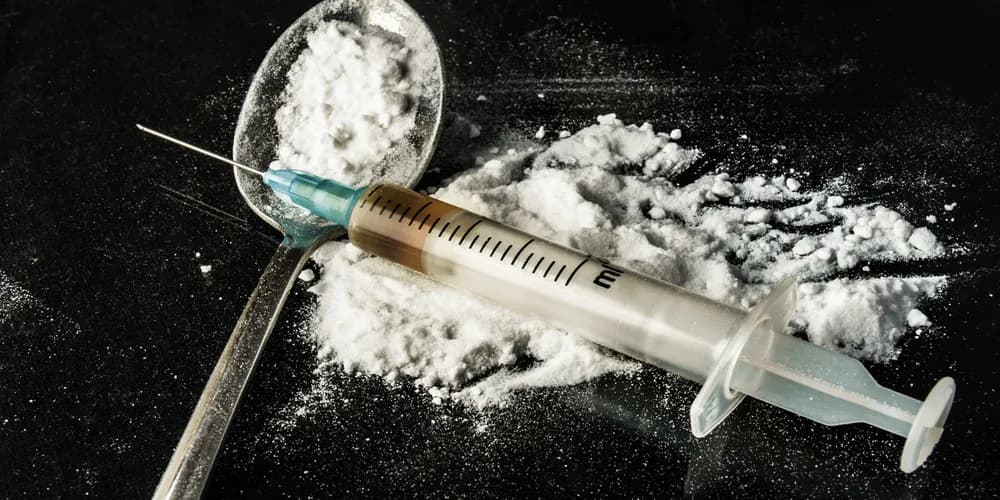
Punjab's Struggle Against Drug Addiction
Economic and Social Development19-Sep-2026

Punjab's Struggle Against Drug Addiction

Summary of Key Points Related to Addiction and Governance in Punjab

Addiction Context in Punjab

  • Over 1 million individuals registered at government de-addiction clinics in Punjab.
  • Historical context: Afeem (opium) and its cultural use have been prevalent for over 200 years; substance use has deep roots in community traditions.

Nature of Addiction

  • Opioids (e.g., opium, heroin) affect brain receptors; heroin leads to quicker addiction compared to opium due to its rapid impact on the body.
  • Addiction is often misunderstood; treatment requires more than willpower—it's a complex biological condition influenced by substance chemistry.

Urgency and Governance in Addressing Addiction

  • Governance failure: Current measures have not broken existing drug supply networks.
  • Technological measures: Recommendations for border control include:
    • Detection grids
    • Counter-drone systems
    • Improved forensic capabilities to trace drug origins

Budget and Resource Allocation

  • The funding directed towards de-addiction programs in Punjab is inadequate:
    • The entire budget for de-addiction is described as a "rounding error" relative to other priority areas (e.g., power subsidy).
    • There is a lack of specialists: Punjab has a deficit of psychiatrists and counselors.

Economic and Employment Factors

  • An emphasis on providing jobs for recovering addicts to prevent relapse.
  • Cost of medication (30 Rupees health clinic vs. 300 Rupees on the black market) demonstrates a disparity that indicates a lack of regulation and support.

Recovery Potential

  • Addiction recovery is possible; the brain can heal, albeit slowly.
  • Continuous support and medical assistance post-recovery are critical, with noted high relapse rates occurring 18 months after treatment.

Conclusions and Recommendations

  • The issue of addiction is framed as a medical condition compounded by a criminal supply chain and requires focused governance.
  • Importance of prioritizing investments in mental health treatment and de-addiction services in Punjab to curb the crisis.

This summary provides an analytical view of the addiction situation in Punjab, highlighting the need for substantial reforms, resource allocation, and a shift in societal understanding of addiction as a medical rather than purely moral crisis.

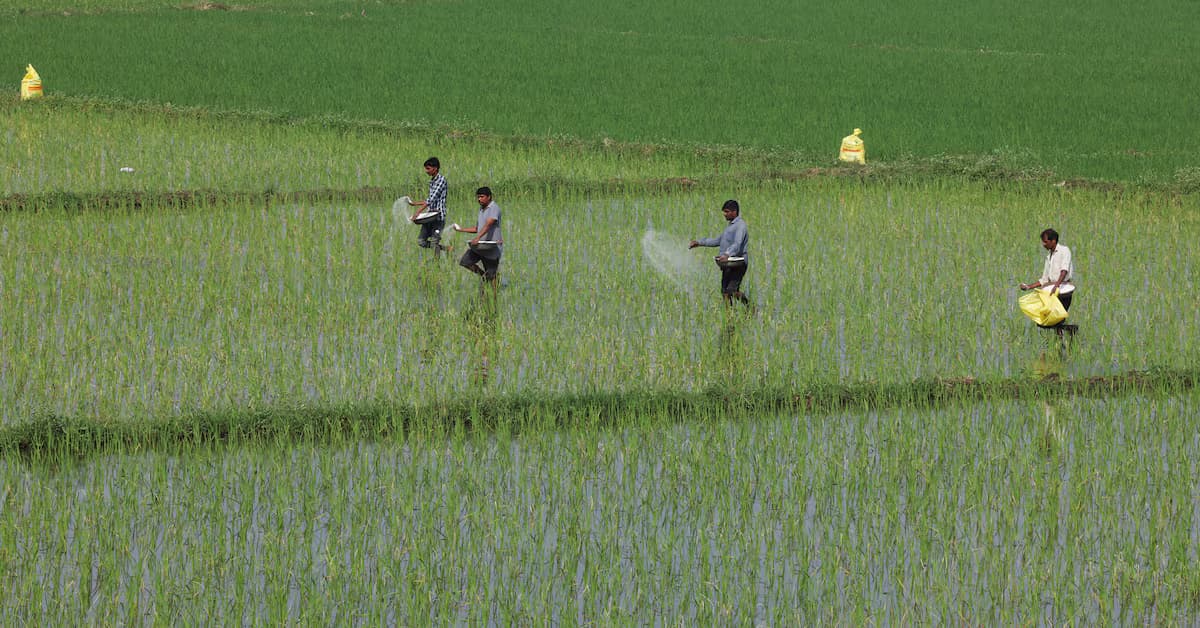
Continuation of PM-KISAN Scheme Approved
Economic and Social Development18-Sep-2026

Continuation of PM-KISAN Scheme Approved

Summary of the Pradhan Mantri Kisan Samman Nidhi (PM-KISAN) Scheme

  1. Scheme Approval:

    • The Union Cabinet has approved the continuation of the PM-KISAN Scheme for the period from 2026–27 to 2030–31.
  2. Financial Outlay:

    • Total financial outlay for the extended period is ₹3.15 lakh crore.
  3. Assistance Amount:

    • Each eligible farmer receives ₹6,000 per year as financial assistance.
  4. Direct Transfers:

    • Over ₹4.47 lakh crore transferred directly to farmers' bank accounts in 23 instalments since the scheme's launch in February 2019.
  5. Beneficiaries:

    • Under the 23rd instalment, over 9.49 crore farmers benefited, with ₹18,984 crore released.
    • Approximately one-quarter of beneficiaries are women farmers, who have received more than ₹1.06 lakh crore.
  6. Objectives of the Scheme:

    • Aims to provide timely and transparent income support to eligible farmer families through the Direct Benefit Transfer (DBT) system.
    • Encourages farmers to invest in agricultural inputs such as seeds, fertilizers, irrigation, and machinery.
    • Helps reduce dependence on informal credit and enhances the financial stability of rural households.
  7. Government's Commitment:

    • The continuation of PM-KISAN underlines the government’s belief that the prosperity of farmers is central to national prosperity.
  8. Impact on Agricultural Investment:

    • The assistance has reportedly enabled farmers to make timely investments in agriculture, thereby increasing their productive capacity.

This structured approach by the government aims at reinforcing the socio-economic condition of the agricultural sector, showcasing the significance of structured financial support for farmers in India.