iAspirants
India's Renewable Energy Expansion Milestones
Published on:
Source: The Hindu
Share this post
Article Summary
Renewable Energy Capacity in India: Key Highlights
Installed Capacity:
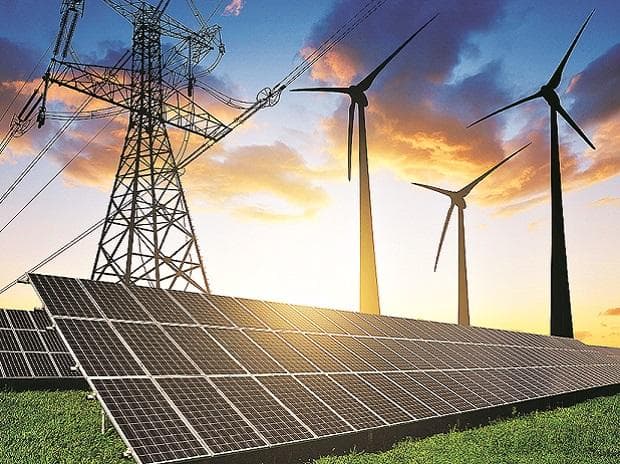
- India has surpassed 300 GW of installed non-fossil fuel power capacity as of July 31, 2026.
- Non-fossil fuel sources now represent over 54% of India’s total electricity generation capacity.
- The largest contributor to renewable energy is solar power, accounting for 164.59 GW.
Future Targets:
- India is on track to achieve its target of 500 GW of non-fossil fuel capacity by 2030.
- An additional 17 GW of renewable energy capacity was added in the first four months of the financial year.
Government Schemes:
- PM Surya Ghar Scheme: Provides subsidies for rooftop solar systems. Approximately 1.9 million beneficiaries have reportedly received zero electricity bills through this initiative.
- PM-KUSUM Scheme: A broader initiative aimed at promoting solar energy.
International Recognition:
- Recognized by UN and international leaders as a 'solar superpower'.
- IMF Managing Director notes India's potential as a significant green-energy powerhouse.
Policy and Support Measures:
- The growth in renewable energy has been supported by various policy measures and citizen-focused programs.
- Key challenges identified include grid integration, digital integration, and strengthening of transmission and distribution networks.
Upcoming Events:
- Bharat Renewable Energy Summit & Expo 2026: Scheduled from November 2-5, 2026, focusing on investment in green financing, solar and wind power, green hydrogen, energy storage, and clean energy manufacturing.
- Fifth Assembly of the International Solar Alliance and the Fourth International Conference on Green Hydrogen will occur alongside the Summit.
State-Level Achievements:
- Maharashtra holds a renewable-energy capacity of 62.53 GW as of July 2026.
- The state set a Guinness World Record for installing 45,911 solar agricultural pumps in the previous year.
Economic Aspects:
- India continues to attract global investors in the renewable energy sector despite economic uncertainties.
- Partnership with 8-10 countries expected at the upcoming summit, reflecting international investor interest.
This summary encapsulates India's commitment to expanding its renewable energy capabilities, addressing both current achievements and future plans, while also highlighting the support from global recognition and domestic policies.
Key Terms & Concepts
| 300 GW | Installed non-fossil fuel capacity |
| 500 GW | Target by 2030 |
| 17 GW | Renewable energy capacity added |
| 54% | Proportion of non-fossil fuel capacity |
| 164.59 GW | Solar power contribution |
| PM Surya Ghar scheme | Subsidy for rooftop solar systems |
| 19 lakh | Beneficiaries of zero electricity bills |
| Maharashtra | Total renewable-energy capacity of 62.53 GW |
| 45,911 | Solar agricultural pumps installed |
| Bharat Renewable Energy Summit & Expo 2026 | Event focusing on renewable energy |
| International Solar Alliance | Collaboration on solar energy |
| Green hydrogen | Focus area at upcoming conference |