iAspirants
India's Renewable Energy Transition Overview
Published on:
Share this post
Article Summary
Summary of India's Renewable Energy Transformation
1. Renewable Energy Capacity:
- As of April 30, 2026:
- Solar Capacity: 154.24 GW (up from 2.8 GW in 2014).
- Total Renewable Energy Capacity: 279.25 GW.
- Total Non-Fossil Capacity: 288.03 GW.
- Breakdown of Solar Generation:
- Ground-mounted Projects: 117.36 GW.
- Rooftop Systems: 26.75 GW.
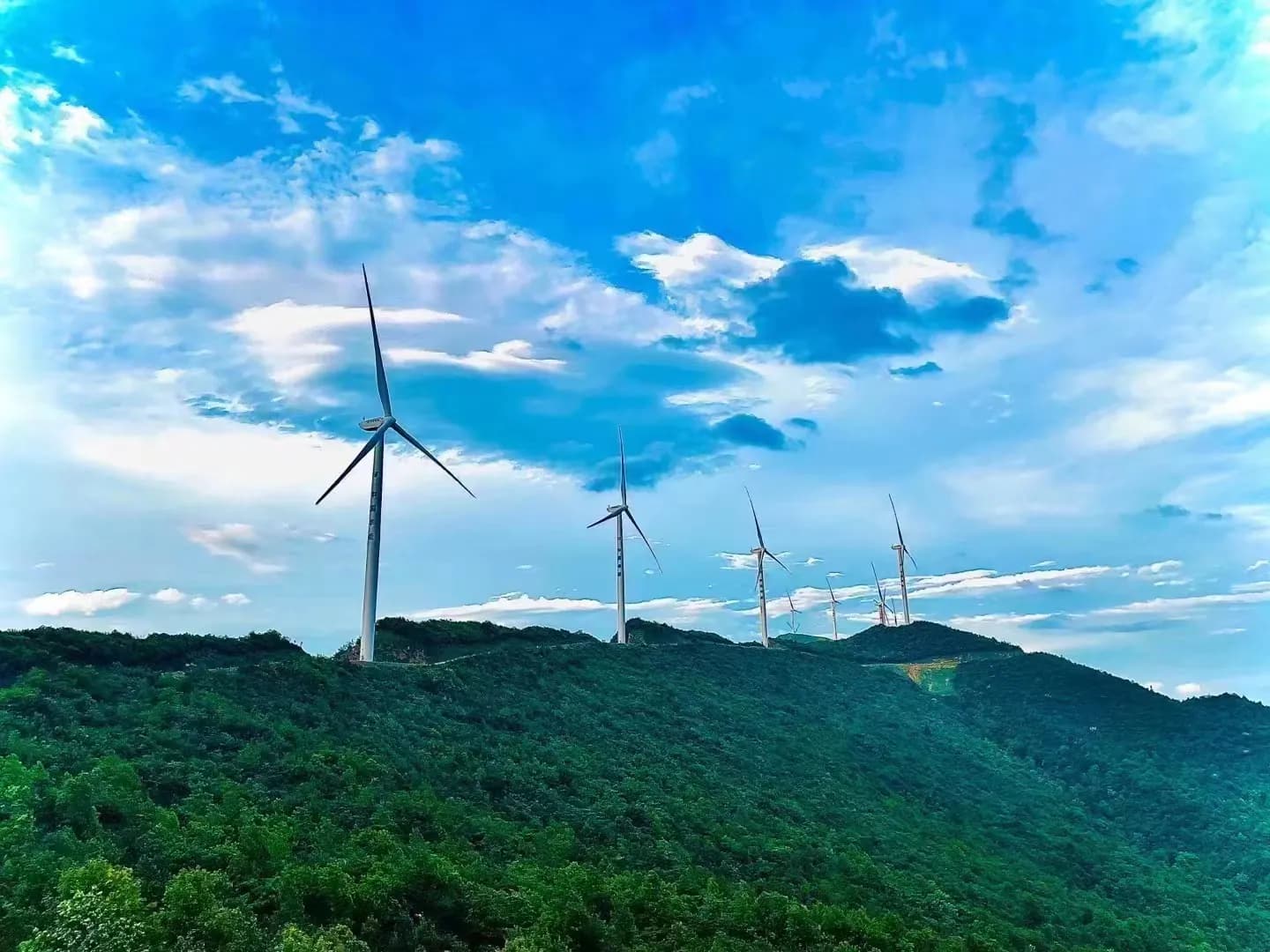
- Wind Energy: Installed capacity of nearly 52 GW by 2026.
2. Policy Framework:
- India is emerging as a leader in renewable energy due to a strategic policy approach:
- Solar parks, production-linked incentives, domestic manufacturing mandates, Green Energy Corridors.
- Bidding by agencies like Solar Energy Corporation of India (SECI).
- Focus on strengthening energy sovereignty through domestic manufacturing of solar panels and wind equipment.
3. National Energy Challenges:
- Balancing renewable energy production with grid stability:
- Solar energy generation peaks during the day, while demand peaks in the evening.
- This mismatch leads to challenges such as transmission congestion and renewable curtailment.
4. Energy Storage Strategy:
- Energy storage is critical for managing the intermittency of solar power:
- Projected Storage Requirement:
- 82.37 GWh by 2026-27.
- Expected to rise to 411.4 GWh by 2031-32, with potential for 2,380 GWh by 2047.
- Projected Storage Requirement:
- Types of Storage:
- Battery Energy Storage Systems (BESS) and Pumped Storage Projects (PSP).
- The Ministry of Power’s Energy Storage Obligation: Planned rise from 1% in FY24 to 4% by FY30.
5. Future Planning and Goals:
- By 2035-36, planned capacity targets include:
- Solar: 509 GW.
- Wind: 155 GW.
- Energy Storage: 174 GW/888 GWh (including 80 GW BESS, 94 GW pumped storage).
- Coal Capacity: To be strategically retained for reliability.
6. Need for Integrated Power Model:
- Transition from a "capacity-first" model to a "stability-first" integrated power model is essential.
- Focus on hybrid systems that incorporate:
- Solar + Storage (BESS/PSP).
- Wind + AI-enabled forecasting.
- Infrastructure planning is critical to avoid transmission bottlenecks and ensure project consistency.
7. Strategic Importance:
- India’s renewable energy transition is a major infrastructure achievement and seeks to balance clean power generation with reliability and stability.
- The government's holistic approach aims to create a replicable model of stable, sovereign, and scientifically managed clean energy to meet India's 2030 commitments and secure energy needs beyond traditional generation capacities.
Key Terms & Concepts
| 154.24 GW | Installed solar capacity in 2026 |
| 279.25 GW | Total renewable energy capacity |
| 288.03 GW | Total non-fossil capacity |
| 117.36 GW | Ground-mounted solar projects |
| 26.75 GW | Rooftop solar systems |
| 52 GW | Installed wind power capacity |
| 82.37 GWh | Projected storage requirement for 2026-27 |
| 411.4 GWh | Expected storage by 2031-32 |
| 2,380 GWh | Projected storage by 2047 |
| 1% to 4% | Energy Storage Obligation trajectory |
| 509 GW | Projected solar capacity by 2035-36 |
| 155 GW | Projected wind capacity by 2035-36 |
| 174 GW/888 GWh |