iAspirants
Current AffairsPrelims PYQsUPSC CSE SyllabusUPSC CSE StrategyBlogsPricing
Login
iAspirants
Current AffairsPrelims PYQsUPSC CSE SyllabusUPSC CSE StrategyBlogsPricingContact UsLoginSignUp
iAspirants

Your AI-powered companion for UPSC preparation.

Study Resources

  • Current Affairs
  • Prelims PYQs
  • UPSC CSE Syllabus
  • UPSC CSE Strategy
  • Blogs

Practice & Plans

  • Mains Answer Evaluation
  • Pricing
  • Sign Up
  • Login

Company

  • Home
  • About Us
  • Contact Us
  • FAQs

Legal

  • Privacy Policy
  • Terms & Conditions
  • Return Policy

© 2026 iAspirants, Inc. All rights reserved.

  1. Blogs
  2. Environment and Ecology

India's Rising Carbon Emissions Forecast

Published on: 13-Nov-2026

Source: Indian Express

Share this post

India's Rising Carbon Emissions Forecast

Article Summary

Summary of Key Points: Global Carbon Emissions and India's Projections (2026)

Global Emission Trends:

  • Projected Decline: Global carbon dioxide emissions from fossil fuels expected to decrease by 0.4% in 2026.
  • Major Contributors to Decline: Notable reductions anticipated in emissions from China, the U.S., the European Union, and Japan.
  • Driving Factors: Expansion of solar and wind power, and geopolitical tensions affecting energy supplies.

India's Emission Projections:

  • Increase in Emissions: India projected to record a 4.4% increase in fossil fuel emissions, contrary to the global trend.
    • Current Share: India accounts for approximately 8% of global emissions.
    • Comparison to Past Growth: This rise exceeds India's average increase of 3.5% over the past decade.

Causes of Increased Emissions in India:

  • Climate Impact:

    • A wet pre-monsoon period in 2025 led to reduced emissions growth; however, 2026 saw higher temperatures and increased demand for cooling.
    • El Niño conditions exacerbated the need for higher electricity consumption.
  • Power Generation Shift:

    • Substantial increase (13.2%) in coal-based power generation, rising from approximately 747,465.25 million units (MU) in 2025 to 846,229.29 MU in 2026.
    • As of November 10, 2026, coal stocks at thermal power plants decreased significantly from 55 million tonnes to 19.5 million tonnes.
  • Economic Growth:

    • Enhanced infrastructure development within India's robust economy has led to increased energy demand.
  • Transportation Emissions:

    • While overall petroleum consumption declined by 2.24% from January to October 2026, transport fuels have seen increased consumption:
      • Petrol up by 6.61% (37.15 million tonnes).
      • Diesel up by 5.76% (80.86 million tonnes).

Industrial Emission Dynamics:

  • Emissions from the power sector have stabilized, contributing minimally to growth.
  • CO₂ emissions increased by 3.7% year-on-year in the first half of 2026, attributed to steel, cement, and other manufacturing sectors.
  • Notably, petroleum and gas emissions decreased by 7% year-on-year despite demand for heavy fuels.

Challenges and Outlook:

  • Industry Electrification Need:
    • The power sector's increased reliance on clean energy has not yet sufficiently counterbalanced emissions from industrial sectors reliant on coal.
    • Without significant shifts to electrification in energy-intensive industries, total emissions in India are likely to continue rising.

Constitutional & Policy Implications:

  • No specific constitutional references, acts, or government schemes highlighted in the article but the discussions may apply under broader climate commitments likely aligned with various environmental and developmental policies.

This summary presents a clear overview of the projected trends and implications of carbon emissions both globally and specifically for India in 2026.

Key Terms & Concepts

Global Carbon BudgetSource of emission data
4.4%Projected increase in emissions
8%India's share in global emissions
13.2%Increase in coal-based power generation
846,229.29 million unitsCoal-based power generation units
19.5 million tonnesCoal stocks at power plants
2.24%Decline in petroleum consumption
6.61%Increase in petrol consumption
5.76%Increase in diesel consumption
3.7%Year-on-year increase in emissions
7%Year-on-year decrease in oil and gas emissions
El NiñoWeather condition affecting emissions

Mind Map for UPSC Civil Services Revision

Turn UPSC Civil Services Current Affairs Into Exam-Ready Notes

Reading Environment and Ecology current affairs is half the work. Revise them with ready-made notes and test what actually stuck.

  • Daily UPSC Civil Services current affairs analysis
  • Revision notes, mind maps & MCQs
  • Prelims mock tests with instant results

Related UPSC Civil Services Current Affairs Articles

COP31 Conference Highlights Climate Concerns
Environment and Ecology13-Nov-2026

COP31 Conference Highlights Climate Concerns

COP 31 Highlights and Key Data

  1. Conference Overview

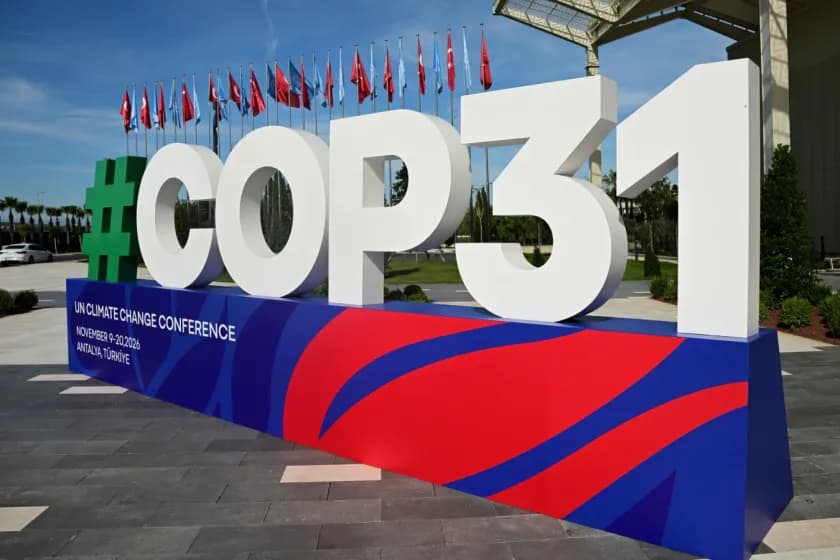
    • The 31st Conference of Parties (COP 31) is taking place in Antalya, Türkiye, this week, presided over by Australia.
    • Ministerial delegations visited Fiji and Tuvalu prior to the conference to highlight the vulnerability of small island nations to climate change.
Practise Mains answer writingUpload a handwritten answer and get it evaluated
  • Attendance and Participation

    • Several world leaders, including those from European nations advocating for climate causes, are notably absent from the conference.
  • Key Financial Commitments

    • A major agenda item is the commitment to deliver $300 billion annually by 2035, as previously agreed at COP29 in Baku.
    • COP30 aims to triple adaptation finance, but implementation details are postponed until COP32.
    • The recent approval of $21 million from the Loss and Damage fund to Nepal illustrates challenges in funding, compared to billions needed overall.
  • Climate Goals and Scientific Assessments

    • COP31 marks the beginning of the second global stocktake under the Paris Agreement, assessing climate action progress.
    • The Intergovernmental Panel on Climate Change (IPCC) has not yet established a timeline for forthcoming assessments that are crucial for policy guidance.
    • There's continued emphasis on keeping global temperature rise below 2°C, with a more ambitious target of 1.5°C.
  • Policy and Agreements

    • The previous summit (COP30) ended without a formal roadmap for phasing out fossil fuels, marking a regression from COP28 agreements in Dubai.
    • Efforts are underway to develop a voluntary roadmap for climate actions ahead of COP31, although it is not included in the formal negotiations.
  • Energy Transition Targets

    • COP31 President Murat Kurum has introduced an electrification target—aiming to increase electricity's share in total energy consumption from 23% to 35% by 2035.
  • India's Position

    • India has rejected signing a pledge related to the electrification target, emphasizing the need for predictable climate finance, technology transfer, and nationally determined contributions to climate mitigation.
  • Geopolitical Context

    • Discussions occur against the backdrop of the West Asia war and the withdrawal of the United States from the Paris Agreement, posing significant challenges to funding and international solidarity in climate efforts.
  • Emphasis on Progress Over New Targets

    • There is a strong call among negotiating nations to emphasize adherence to existing commitments rather than setting more ambitious targets that may not be met.
  • This summary presents the essential facts, figures, and data relating to the current state of international climate negotiations at COP31, highlighting economic commitments, energy policy, and the critical role of scientific assessments in shaping climate action and funding strategies.

    Environmental Impact of Sand Mining
    Environment and Ecology13-Nov-2026

    Environmental Impact of Sand Mining

    Environmental Challenges of Sand Mining in India

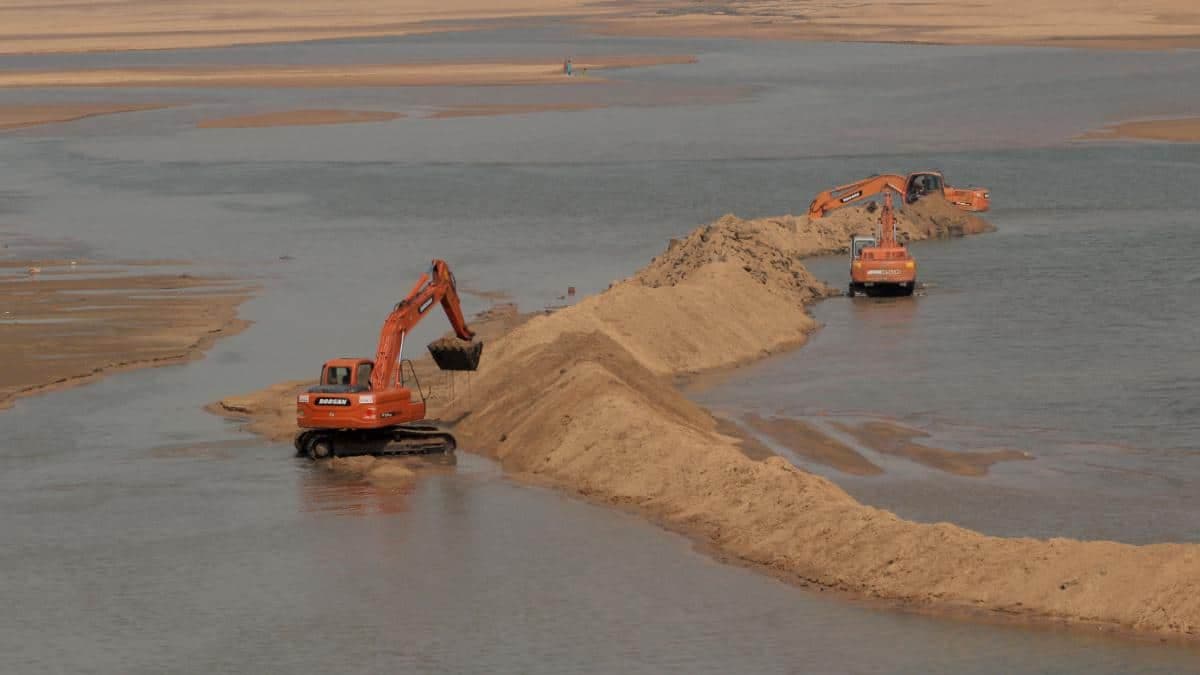
    • Context: Sand is the second-most exploited natural resource after water globally, with significant implications for environmental degradation, particularly evident in India.

    • Impact of Unregulated Sand Extraction:

      • Deepens and widens riverbeds, destabilizes riverbanks.
      • Alters natural water flow, causing downstream erosion.
    • Judicial Oversight:

      • The Supreme Court has reprimanded state governments multiple times since 2023 for inadequate enforcement against illegal sand mining.
      • Despite judicial directives, a 40% supply gap exists in sand needed for India's construction sector, leading to a lack of compliance with court orders.
    • Central Empowered Committee (CEC) Proposals:

      • Proposed a three-year roadmap to phase out sand extraction from active river channels.
      • Suggested alternative sources for sand to reduce reliance on natural resources.
      • Recommended desilting of dams and reservoirs to enhance water capacity and restore natural sediment flow.
    • Scientific Insight and Recommendations:

      • Desilting is aimed at improving river carrying capacity and mitigating blockages that affect water flow, especially during heavy rainfall.
      • Need for a long-term implementation strategy as sediment plays a crucial role in sustaining river ecosystems.
      • Previous inquiries (notably a study led by B K Mittal in 2022) indicated that large-scale desilting might not be economically viable, advocating for targeted dredging based on scientific evaluations.
    • Regulatory Framework:

      • CEC's recommendation to the Jal Shakti Ministry to establish a national framework for sediment availability in reservoirs, including financial and environmental safeguards.
      • Emphasis on the need for a balanced approach that prioritizes both construction material needs and the ecological health of water bodies.
    • Key Takeaway: Effective governance and sustainable practices must reconcile the demand for sand in construction with the ecological necessity of maintaining healthy river systems, moving away from treating rivers as mere sources of raw material.

    Conclusion: Addressing illegal sand mining and implementing sustainable water management practices are critical initiatives for preserving India's freshwater resources while supporting economic growth in the construction sector.

    Mumbai Hosts Earthshot Prize 2026
    Environment and Ecology13-Nov-2026

    Mumbai Hosts Earthshot Prize 2026

    Earthshot Prize in Mumbai

    • Event: Mumbai will host the largest edition of the Earthshot Prize next week, focusing on climate solutions.
    • Purpose: The gathering aims to convert environmental innovations into impactful actions at scale.
    • Prize Details: Five winners will be awarded £1 million each to enhance their environmental initiatives.

    Background:

    • Initiator: The Earthshot Prize was founded by His Royal Highness The Prince of Wales.
    • Goal: The prize promotes innovative solutions to address significant environmental challenges through human ingenuity and optimism.

    India’s Contributions:

    • Finalists and Winners: Since its inception in 2020, India has had the most Earthshot finalists and winners—nine finalists with four winners.
    • Current Year: This year, two of the 15 finalists are Indian, highlighting India's role in clean growth and climate innovation.

    Significance:

    • The event underscores India’s growing influence in global climate initiatives and innovation, reinforcing its commitment to sustainable development and addressing environmental issues globally.

    International Context:

    • The Earthshot Prize encourages a collaborative effort between innovators, investors, businesses, policymakers, and youth. It aligns with global environmental goals and sustainable development targets.
    International Day for Environment and Conflict
    Environment and Ecology06-Nov-2026

    International Day for Environment and Conflict

    International Day for Preventing the Exploitation of the Environment in War and Armed Conflict

    • Date Established: November 6, 2001, by the United Nations General Assembly (UNGA).
    • Purpose: To acknowledge and address the environmental degradation resulting from armed conflict, which persists beyond the conflict period and impacts future generations.

    Key Report and Principles

    • Report: Protection of the Environment in Relation to Armed Conflicts (PERAC) by the International Law Commission (ILC).
    • Year of Adoption: 2022, consisting of 27 draft principles aimed at enhancing environmental protection during and after armed conflicts.
    • UNGA Note: Noted on December 7, 2022, formally acknowledging the principles.

    Principles of PERAC

    • Application: The principles aim to protect the environment before, during, and after armed conflicts, including situations of occupation.

    Case Study: Israel-Palestine Conflict

    • Legal Obligations: Under international law, Israel has responsibilities for environmental harm due to its role as an occupying power during the ongoing conflict in Gaza.

    Environmental Impact of Armed Conflicts

    • Effects: Armed conflicts lead to:
      • Degradation of ecosystems.
      • Resource depletion.
      • Long-term impacts on national territories and future generations.

    Constitutional and Legal References

    • The recognition of the International Day and the principles is aligned with international humanitarian law and obligations regarding environmental protection during war. Specific articles relating directly to environmental rights may not be detailed, but implications exist under international treaties.

    International Agreements and Governance

    • This initiative aligns with broader international efforts to integrate environmental protection within the framework of human rights and humanitarian law.
    • Increasing global focus on environmental sustainability highlights the need for integrating ecological considerations into conflict resolution and post-conflict recovery.

    Conclusion

    • The establishment of this recognition and the subsequent development of protective principles by the ILC indicate a progressive understanding of the interconnectedness of environmental health and global security, urging nations to uphold these standards amid and after armed conflicts.
    COP31 Focuses on Climate Implementation
    International Relations05-Nov-2026

    COP31 Focuses on Climate Implementation

    Summary of COP31 and Climate Action Framework

    Conference of Parties (COP) Overview:

    • COP31 branded as “COP of the Future: The COP of Implementation.”
    • COP27 (Egypt) and COP30 (Brazil) presented similar themes of implementation.

    Roles and Responsibilities:

    • Turkey hosts COP31 and leads the non-negotiated Action Agenda.
    • Australia steers the negotiations.
    • Emphasis on implementation of commitments under the Paris Agreement.

    Transforming Dialogue:

    • Shift from queries on what and who will act to how actions are to be executed and current statuses.
    • Increasing reliance on action agendas to drive climate solutions rather than formal negotiations.

    2035 Voluntary Targets:

    • Proposed voluntary targets include:
      • Electricity comprising 35% of final energy demand.
      • Halving global waste growth.
      • Reducing energy-use intensity in buildings by at least 25%.
    • As of now, only 5% of cooperative climate initiatives since 2015 have met their goals.

    Nationally Determined Contributions (NDCs):

    • 2035 NDCs are expected by February 2025; pressing need for timely submissions underscored by COP31 presidency.
    • Only Colombia and Turkey have submitted their second biennial transparency reports by late October 2023.

    Importance for Developing Countries:

    • Climate finance from developed nations is crucial for developing countries to cope with impacts and reduce emissions.
    • The accountability of the Global South on its NDCs is often tied to funding and scrutiny from the Global North.

    Implementation Metrics:

    • COP31 will analyze progress through reports including NDC Synthesis and Biennial Transparency Reports (BTR).
    • The Facilitative, Multilateral Consideration of Progress forum serves to monitor experiences and issues among states but lacks enforcement mechanisms.

    Recommendations for COP31:

    1. Turkey should encourage timely submissions of BTR from all parties to leverage synthesis findings in discussions.
    2. Developed countries should publish comprehensive biennial reports on climate finance.
    3. An annual public report on progress towards 2035 targets should be established for accountability.

    Conclusion:

    • Effective implementation defines true commitment to climate goals, requiring collaborative efforts on measurement and reporting of progress.
    • Successful climate summits must align with the urgency of the climate crisis and showcase tangible advancements in mitigation efforts.

    Key Terms for Study:

    • COP, UNFCCC, Paris Agreement, NDC, BTR, climate finance, adaptation plans, Global North/South relations, action agenda.
    GLOF Impact on Himalayan Glacial Lakes
    Environment and Ecology05-Nov-2026

    GLOF Impact on Himalayan Glacial Lakes

    Summary of GLOF Impact Assessment in Bhutan

    Event Background

    • Glacial Lake Outburst Flood (GLOF) occurred on October 29, 2026, impacting Sintaphu Tsho, a Himalayan glacial lake in Bhutan's Gasa district.

    Key Findings from Assessment

    • Conducting Agency: Suhora Technologies, a geospatial intelligence firm from Noida, conducted a decade-long assessment using satellite imagery.

    • Sintaphu Tsho:

      • Before GLOF:
        • Stable surface area over 10 years (2016-2026), increasing from 23.33 hectares (ha) in 2016 to 24.13 ha in 2026 (a gain of 3.4%).
        • Peak area recorded just before the outburst (October 28, 2026).
      • Post-GLOF Impact:
        • Surface area reduced by 73%, collapsing to 6.54 ha, significantly less than any period in the last decade.
    India's Climate Goals and Global Initiatives
    Environment and Ecology05-Nov-2026

    India's Climate Goals and Global Initiatives

    Key Highlights from Environment Minister's Statement on Climate COP 31

    Constitutional and Legal Context

    • Paris Agreement Compliance: India has made steady progress toward fulfilling its commitments under the Paris Agreement, aimed at addressing climate change.

    International Commitments

    • COP 31 Context: The 31st Conference of the Parties (COP 31) to the UNFCCC is being hosted in Antalya, Turkey, and addresses global climate action including energy electrification targets.

    Proposed Global Initiatives

    • "35 by 2035" Electrification Target: Proposed by the COP co-presidencies, Turkey and Australia, it aims to increase electricity's share in global energy use from 23% in 2023 to 35% by 2035.
    • Support from Developed Nations: Several developed countries advocate for electrification as a measure to transition away from fossil fuels.

    India's Position

    • Sovereignty and Poverty Considerations: India stresses the importance of considering its sovereignty and ongoing poverty-eradication programs before committing to global electrification targets.
  • Supraglacial Lake (adjacent to Sintaphu Tsho):

    • Before GLOF: Grew from 5.74 ha to 16.51 ha over the decade (an increase of 188%).
    • Post-GLOF Impact: Area reduced to 12.47 ha (down 24%), still more than double its size in 2016.
  • Environmental Implications

    • The findings underscore the necessity for ongoing monitoring of glacial lake systems due to environmental vulnerability in the Himalayas.
    • Importance of Satellite Monitoring:
      • Continuous surveillance allows for improved understanding of climatic changes and disaster risk management in vulnerable regions.
      • Timely data aids in response preparedness and awareness of environmental risks, impacting local communities and ecosystems.

    Regional Impact

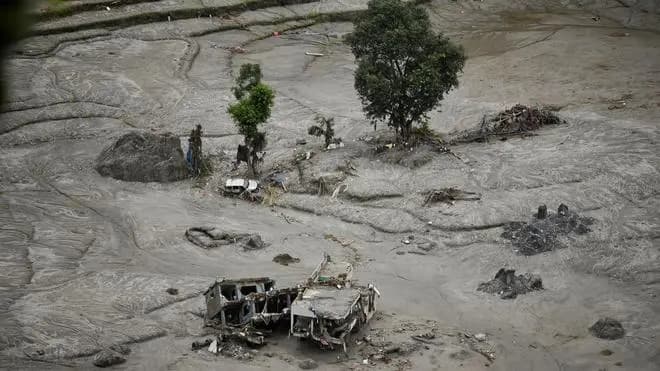
    • Destruction of Infrastructure: The GLOF affected facilities at Gasa Tshachu, a popular natural hot spring, and set off flash flood warnings in parts of West Bengal and Assam.

    Technological Insights

    • Satellite-based Earth observation is framed as a vital tool for transforming observations into actionable intelligence for disaster management, emphasizing a shift towards modern monitoring systems in the face of climate change risks.

    This assessment illustrates the severe consequences of glacial instability due to climate effects and reinforces the call for proactive measures to monitor and manage such environmental challenges.

  • Renewable Energy Focus: India has prioritized renewable energy in its energy strategy and has not committed to a fixed share of electricity in its mix.
  • National Circumstances: Emphasis on national conditions such as weaker electric grids and financially strained utilities typical of developing countries.
  • Critiques and Challenges

    • Target Commitments: Criticism exists that India's energy-related targets lack ambition; however, such critiques do not fully acknowledge challenges faced by developed countries in renewable energy commitments.
    • Financial and Technological Obligations: The Global North's failure to meet its financial and technology-sharing commitments under international agreements is a significant barrier.

    Strategic Interests

    • Leadership in Global South: Confronting the climate crisis aligns with India's developmental and strategic interests, offering India an opportunity to claim leadership within the Global South.
    • Institutions Stewarded by India: India leads initiatives like the International Solar Alliance and the Coalition for Disaster-Resilient Infrastructure, which need to be leveraged for better climate action.

    Conclusion

    • India's approach at COP 31 reflects a balance between international commitments and national realities, emphasizing a commitment to renewable energy while ensuring sovereignty and development goals are prioritized.