iAspirants
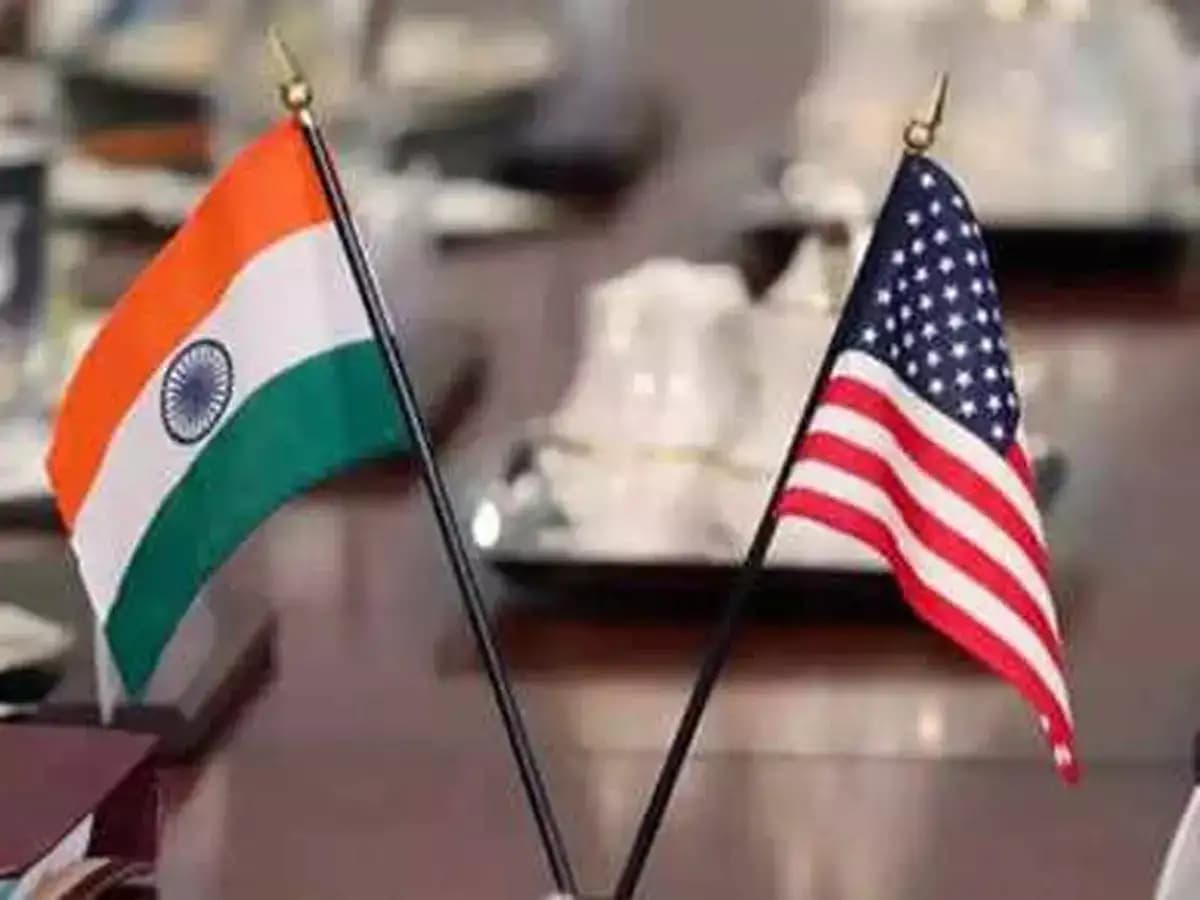
India's Strategic Engagement with USA
Published on:
Source: Indian Express
Share this post
Article Summary
Summary of Key Points from Article on US-India Relations Post Midterm Elections
Political Context
- US Midterm Elections Outcome: The Democratic Party's victory indicates substantial political shifts within the U.S. that India must navigate.
- Significance for India: Emphasis on the need for a deeper understanding of American politics beyond a simplistic dichotomy (Republicans vs. Democrats).
Diplomatic Engagement
- Upcoming Meetings: Prime Minister Narendra Modi has opportunities to meet former President Donald Trump at the East Asia Summit and the G20 summit.
- Long-term Strategy:
- Move away from binary perceptions of the U.S. political landscape.
- Recognize the importance of adaptability and engagement across the diverse political spectrum in the U.S.
Historical Context
- Civil Nuclear Agreement of 2008: A precedent for building America-India relations through bipartisan support and broad engagement, highlighting India’s strategic importance not being leveraged automatically.
Challenges in Indo-U.S. Relations
- Changing Political Dynamics:
- The Republican Party is divided, with factions including economic nationalists, libertarians, and traditional conservatives.
- The Democratic Party faces internal challenges, particularly from progressives focused on issues like economic inequality and foreign policy.
Engagement Strategies
- Broaden Outreach:
- Importance of reconnecting with American progressives who have become increasingly critical of India.
- Increased interaction necessary between Indian political parties, civil society, and American institutions such as think tanks and universities.
Key Takeaways for Indian Political Class
- Engagement Beyond Diplomacy: Importance of investing in connections across American society, not just with government leaders.
- Long-term Political Relationships: Establishing enduring ties rather than relying solely on individual leaders or transient administrations.
- Diverse Political Networks: Understanding and engaging with the multiplicity of political influences in the U.S., including ethnic minorities and grassroots movements.
Economic and Strategic Considerations
- Importance of U.S.-India relations for India's economic transformation, technological advancements, and regional security framework.
- Recognition of active participation in discussions surrounding trade, human rights, and military alliances as critical for future interactions.
This analysis underscores that India's approach to its relationship with the United States should evolve into a more nuanced and multifaceted engagement that accounts for changing political landscapes and diverse constituencies in the U.S.
Key Terms & Concepts
| American midterm elections | Impact on US-India relations |
| East Asia Summit | Potential Modi-Trump meeting |
| G20 summit | Opportunities for diplomacy |
| civil nuclear agreement of 2008 | Key US-India relationship milestone |
| MAGA movement | Influence on American politics |
| Democratic Party | Current political landscape in US |
| Republican Party | Current political landscape in US |
| 2028 presidential election | Future political dynamics |
| India's diaspora | Key engagement group in US |
| Trump administration | Key US partner for India |
| market-oriented libertarians | Faction within Republican Party |
| progressives within Democratic Party | Challenge traditional party leadership |