iAspirants
Current AffairsPrelims PYQsUPSC CSE SyllabusUPSC CSE StrategyBlogsPricing
Login
iAspirants
Current AffairsPrelims PYQsUPSC CSE SyllabusUPSC CSE StrategyBlogsPricingContact UsLoginSignUp
iAspirants

Your AI-powered companion for UPSC preparation.

Study Resources

  • Current Affairs
  • Prelims PYQs
  • UPSC CSE Syllabus
  • UPSC CSE Strategy
  • Blogs

Practice & Plans

  • Mains Answer Evaluation
  • Pricing
  • Sign Up
  • Login

Company

  • Home
  • About Us
  • Contact Us
  • FAQs

Legal

  • Privacy Policy
  • Terms & Conditions
  • Return Policy

© 2026 iAspirants, Inc. All rights reserved.

  1. Blogs
  2. National and international importance

India's TB Burden and Challenges

Published on: 15-Nov-2025

Source: Indian Express

Share this post

India's TB Burden and Challenges

Article Summary

Examination-Focused Notes on Tuberculosis in India

Current Statistics:

  • TB Cases in India (2024): Approximately 27.1 lakh diagnosed cases; 3 lakh deaths.
  • Global TB Statistics: In 2024, acknowledged 10.7 million infections and 1.23 million deaths globally.
  • India's Contribution: Accounts for 8.8% of the global gap between estimated and diagnosed cases, following Indonesia at 10%.

Government Target:

  • Elimination Goal: Prime Minister Narendra Modi announced the target to eliminate TB by 2025, five years ahead of the global objective.
  • WHO End TB Strategy: Aims for 80% decline in new TB cases and 90% decline in TB deaths by 2030 compared to 2015.

Progress Metrics:

  • Reduction Rates (2015-2024):
    • New cases: 21% reduction.
    • TB-related deaths: 28% reduction.
  • Global vs. India Performance:
    • India has met half of the global targets set for 2020, achieving a 20% reduction in cases and a 35% reduction in deaths.

Treatment Coverage:

  • Current Coverage: 92% treatment coverage in 2024, up from 85% in 2023, indicating improvements in access and diagnostics.
  • Innovative Approaches: Introduction of the BPaL regimen, reducing treatment duration for drug-resistant TB from 18–24 months to 6 months.

Challenges:

  • Drug Resistance Prevalence:
    • India contributes to nearly one-third of global drug-resistant TB cases.
    • In 2024, 12.63% were previously treated TB patients, with 3.64% of new cases classified as drug-resistant.
  • Impact of COVID-19: Resource diversion during the pandemic has hindered treatment continuity.
  • Existing Gaps: Limited availability of childhood TB preparations and preventive treatments for high-risk individuals.

Recent Initiatives:

  • Active Screening Campaigns: In a 100-day campaign, over 19 crore individuals screened, resulting in 24.5 lakh detections (including 8.61 lakh asymptomatic cases).
  • Technology Utilization: Use of AI-enabled handheld X-ray devices for community screening to enhance early detection.

Economic and Health Impact:

  • Diabetes Correlation: Approximately 3.2 lakh TB cases in 2024 could be linked to diabetes prevalence.
  • Treatment Success Rate: A 90% success rate for 2023 treatment initiators, higher than the global average of 88%.

These notes summarize significant data regarding tuberculosis in India, highlighting the current situation, government goals, treatment advancements, challenges, and the impact of recent health innovations. Understanding these points is crucial for grasping the public health landscape surrounding TB in India and the ongoing efforts to combat this infectious disease.

Key Terms & Concepts

Global TB Report 2025Provides data on TB trends
27.1 lakh cases (2024)Reported TB cases in India
3 lakh deathsTB related fatalities
10.7 million infections worldwideGlobal TB infections
1.23 million deaths globallyGlobal TB fatalities
END TB targetsGoals for TB elimination
PM Modi's 2025 targetElimination target for TB
80% decline in new TB casesWHO End TB strategy target
92% treatment coverage (2024)TB treatment success rate
BPaL regimenNew TB treatment approach
12.63% drug-resistant casesRate of drug-resistance in TB
1.27 lakh with drug-resistant TB (2024)Estimated number of cases

Mind Map for UPSC Civil Services Revision

Turn UPSC Civil Services Current Affairs Into Exam-Ready Notes

Reading National and international importance current affairs is half the work. Revise them with ready-made notes and test what actually stuck.

  • Daily UPSC Civil Services current affairs analysis
  • Revision notes, mind maps & MCQs
  • Prelims mock tests with instant results

Related UPSC Civil Services Current Affairs Articles

Racism and Protests in France
National and International Importance29-Oct-2026

Racism and Protests in France

Key Facts and Summary Notes:

Violence and Crime:

  • Date: October 23
  • Location: Trappes and La Verrière, immigrant townships near Paris, France.
  • Incident: Kevin T, a White Frenchman, shot Pengo Bossio Wang, a Black martial arts amateur, killing him, and critically injuring a 12-year-old North African girl, along with three others.
90% treatment success rate
India's TB treatment success
19 crore screenedIndividuals screened for TB
24.5 lakh cases detectedTotal TB cases found
8.61 lakh asymptomatic casesDetected asymptomatic TB cases
WHOGlobal health authority
Practise Mains answer writingUpload a handwritten answer and get it evaluated
  • Observations: The violence followed tensions rooted in a high-school protest sparked by issues such as poor school conditions and reform demands.
  • High-School Protests:

    • Causes: Protests by French high schoolers began due to:
      • Deteriorating school infrastructure.
      • Teacher shortages.
      • Overcrowded classrooms.
      • The selection system "Parcoursup", which sorts students early in life.
    • Response from Government: Silence, failing to address underlying issues.

    Escalation and Response:

    • Protest Dynamics: The protests began peacefully with school blockades and took a violent turn due to police repression.
    • Student Arrests: Thousands of students aged 14-18 were arrested as clashes escalated.
    • Major Protest: On October 17, an estimated 800,000 people, including trade unions and students, participated in "cost of living" protests which ended in violence attributed to external "les casseurs" groups.

    Political and Social Commentary:

    • President Emmanuel Macron referred to the shooting and subsequent violence as a “turning point” in French history.
    • The results: Apart from the tragic loss of life and injuries, mass unrest incurred significant damage to heritage and property and raised concerns about societal divisions.

    Responsibility and Media Role:

    • Blame Allocation: Various political factions debated responsibility:
      • Far-left: Criticized police for mismanagement and inadequate action against looters.
      • Far-right: Insulting rhetoric directed at immigrants, calling them “suburban riff-raff” and “Allah’s revolutionaries,” which fueled racist sentiments and violence.
    • Media’s Role: Highlighted the responsibility of media in perpetuating division and hate through sensationalism.

    Government Response:

    • Outcomes: After weeks of protests and violence, the French government, led by President Macron, ultimately acknowledged some student demands.
    • Economic Impact: The cost of the unrest ran into billions of euros in damages and arrests, leading to calls for policy and systemic reform.

    Historical Context:

    • The protests are reminiscent of pivotal historical movements in France such as the French Revolution of 1789 and the May 1968 protests, reflecting deep-rooted themes of social justice and civil rights.

    Conclusion:

    This crisis underscores the precarious balance between youth activism, governmental accountability, and societal divisions in contemporary France. It raises vital questions about freedom of expression, media influence, and the role of law enforcement in civil unrest contexts.

    Cyclone Arnab Impacts Andhra Pradesh Flights
    National and International Importance28-Oct-2026

    Cyclone Arnab Impacts Andhra Pradesh Flights

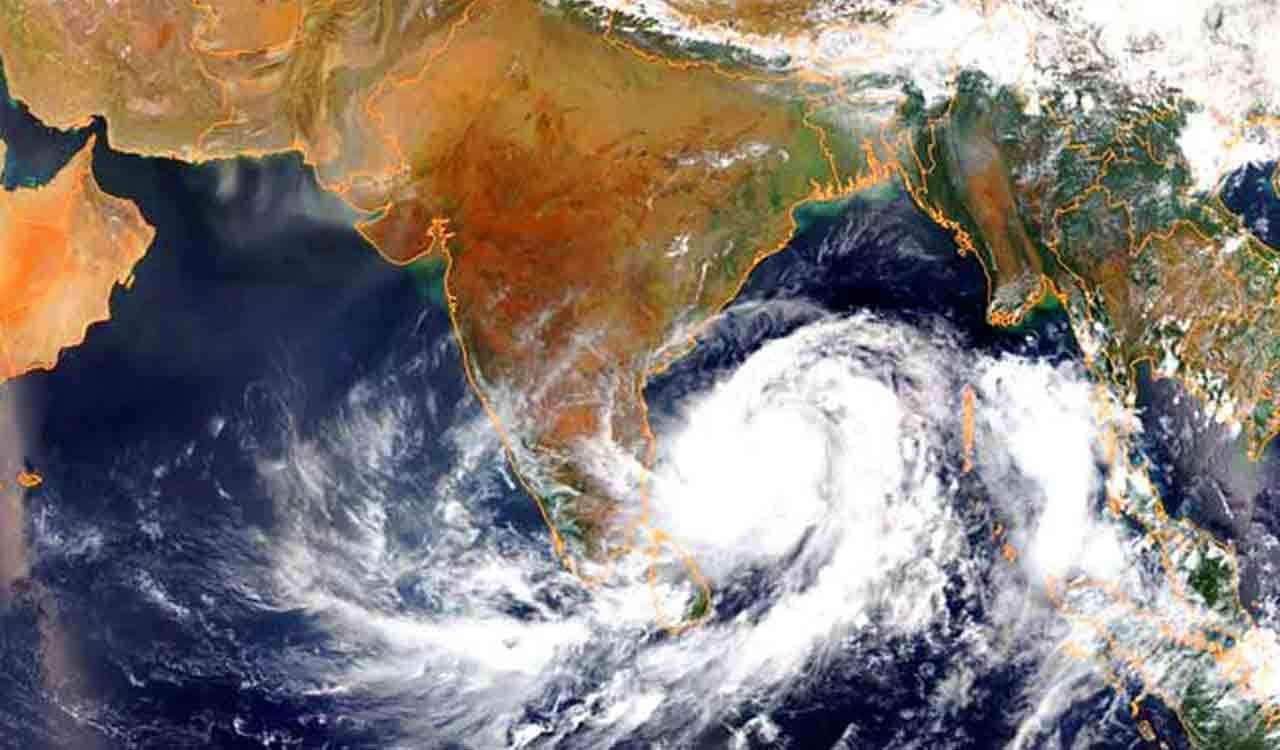
    Cyclone Arnab and Its Impact on Air Travel in Andhra Pradesh

    • Event: Cyclone Arnab, expected to cross the Andhra Pradesh coast on October 28, 2026, predicted to intensify into a very severe cyclone with wind speeds of 125–135 km/h.

    • Affected Areas: Coastal Andhra Pradesh and southern Odisha (including Bhubaneswar) will face flight disruptions. Potential knock-on delays noted for Hyderabad, Varanasi, Prayagraj, and Gorakhpur based on cyclone track.

    • Official Response:

      • Review meeting held by the Ministry of Civil Aviation to ensure flight safety.
      • Emphasis on interagency coordination among stakeholders, including:
        • Directorate General of Civil Aviation (DGCA)
        • Bureau of Civil Aviation Security (BCAS)
        • Airports Authority of India (AAI)
        • India Meteorological Department (IMD)
        • Airlines
        • Airport operators
        • National Disaster Response Force (NDRF)
    • Flight Operations:

      • Cancellation of various flights to and from Visakhapatnam on October 28, 2026.
      • Operations at Visakhapatnam airport suspended since October 27, afternoon.
      • Flights at Vijayawada and Rajahmundry airports also suspended after 7 p.m. on October 27.
    • Guidelines Issued:

      • Airlines advised to follow operational guidelines for adverse weather.
      • Airlines to inform passengers about delays, cancellations and to comply with re-booking and refund norms.

    Contextual Understanding:

    • Impact of Cyclones: Natural disasters like cyclones disrupt transportation and necessitate government and inter-agency coordination for safety measures and crisis management.

    • Government Schemes & Policies: This situation highlights the importance of disaster management policies and preparedness laid out by government entities to mitigate the effects of natural disasters on public safety and transport.

    Conclusion: Cyclone Arnab serves as a significant reminder of the unpredictability of weather events and the importance of coordinated efforts among various civil aviation and disaster management authorities to ensure public safety and minimize disruptions.

    Protests Erupt Over Siang Dam Project
    National and International Importance26-Oct-2026

    Protests Erupt Over Siang Dam Project

    Exam-Focused Notes on Siang Dam Protests in Arunachal Pradesh

    Key Facts:

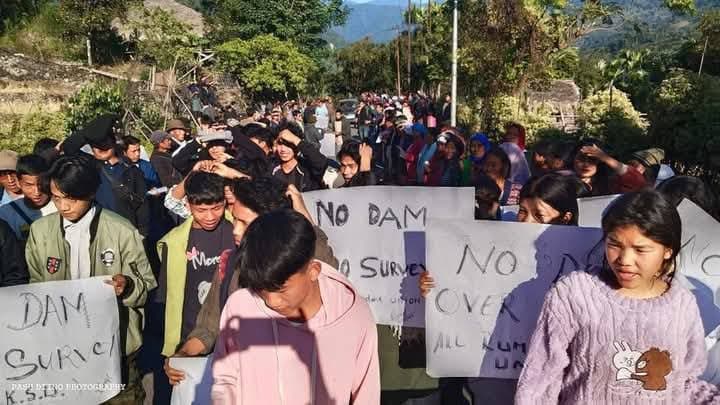
    • Location: Pasighat, East Siang District, Arunachal Pradesh.
    • Project: Siang Upper Multipurpose Project (SUMP) proposed capacity of 11,200 MW by NHPC Limited.
    • Protests: Recent violent protests against the dam; security measures in place, with law enforcement using tear gas against demonstrators.

    Constitutional References:

    • Restrictions on public gatherings enforced under Section 163 of the BNSS.

    Government Policies & Schemes:

    • Corporate Social Responsibility (CSR): NHPC has spent Rs 16.61 crore on the Siang district administration and Rs 94.29 crore in Upper Siang for CSR activities.
    • Public relations campaign engaged to counter negative perceptions of the project during a Rs 10.91 crore contract with Concept Public Relations. The aim was to promote development opportunities related to the project.

    Judicial References:

    • No specific judicial pronouncements reported, but local governance and responses highlight administrative action post-violence.

    Economic Indicators:

    • The dam project is positioned as a strategic response to water security concerns, particularly regarding China's upstream dam activities. The state government claims it is a focal point of national importance.

    International Context:

    • The proposed dam is linked to broader national security issues in response to international developments, particularly related to neighboring China.

    Environmental Concerns:

    • Opposition from the Siang Indigenous Farmers' Forum (SIFF) due to fears of submergence, displacement, and environmental degradation. Concerns raised include loss of livelihoods, ancestral lands, and agricultural viability along riverbanks.

    Community Engagement:

    • NHPC initiated extensive community outreach involving village elders, NGOs, and local influencers, reflecting attempts to build a narrative around the project while addressing misinformation.

    Political Landscape:

    • Mixed sentiments among stakeholders: While some government officials claim that 85% of residents support the project, significant local opposition persists, emphasizing a lack of trust and consultation with the affected communities.

    Notable Statements/Actions:

    • Chief Minister Pema Khandu emphasized the need for accurate information to mitigate fears surrounding the dam project and asserted that misinformation contributes to unrest.
    • Local MLA Ojing Tasing suggested that unrest is politically motivated, promoting the view that the majority support the project, contrasting local accounts of resistance.

    Societal Impact:

    • Residents express deep dependence on riverbank resources for agriculture and livestock, indicating significant socio-economic implications if the dam proceeds.

    Historical Context:

    • The proposed dam project is still in the pre-feasibility survey stage, and local opposition has been longstanding, underscoring the historical grievances and land rights issues in the region.

    Summary:

    The protests against the Siang dam in Arunachal Pradesh illustrate a complex interplay of economic development, environmental concerns, cultural identity, and local governance. The government, while asserting support for the hydroelectric project, faces significant challenges in addressing the fears and objections of the indigenous populations affected by it.