iAspirants
India's Technological Transformation for 2047
Published on:
Share this post

Article Summary
Exam-Focused Notes on Technological Advancements in India
Key Statements:
- Dr. Jitendra Singh, Minister of Science & Technology, highlighted that the technological transformations over the past 12 years have laid the foundation for India’s growth towards 2047.
- India is shifting from being a "technology follower" to a "technology leader" under Prime Minister Narendra Modi's leadership.
Technological Developments:
- The period has seen the establishment of a robust innovation ecosystem that enhances India's global scientific standing.
- Key sectors experiencing growth include:
- Quantum Technology
- Space Technology
- Artificial Intelligence (AI)
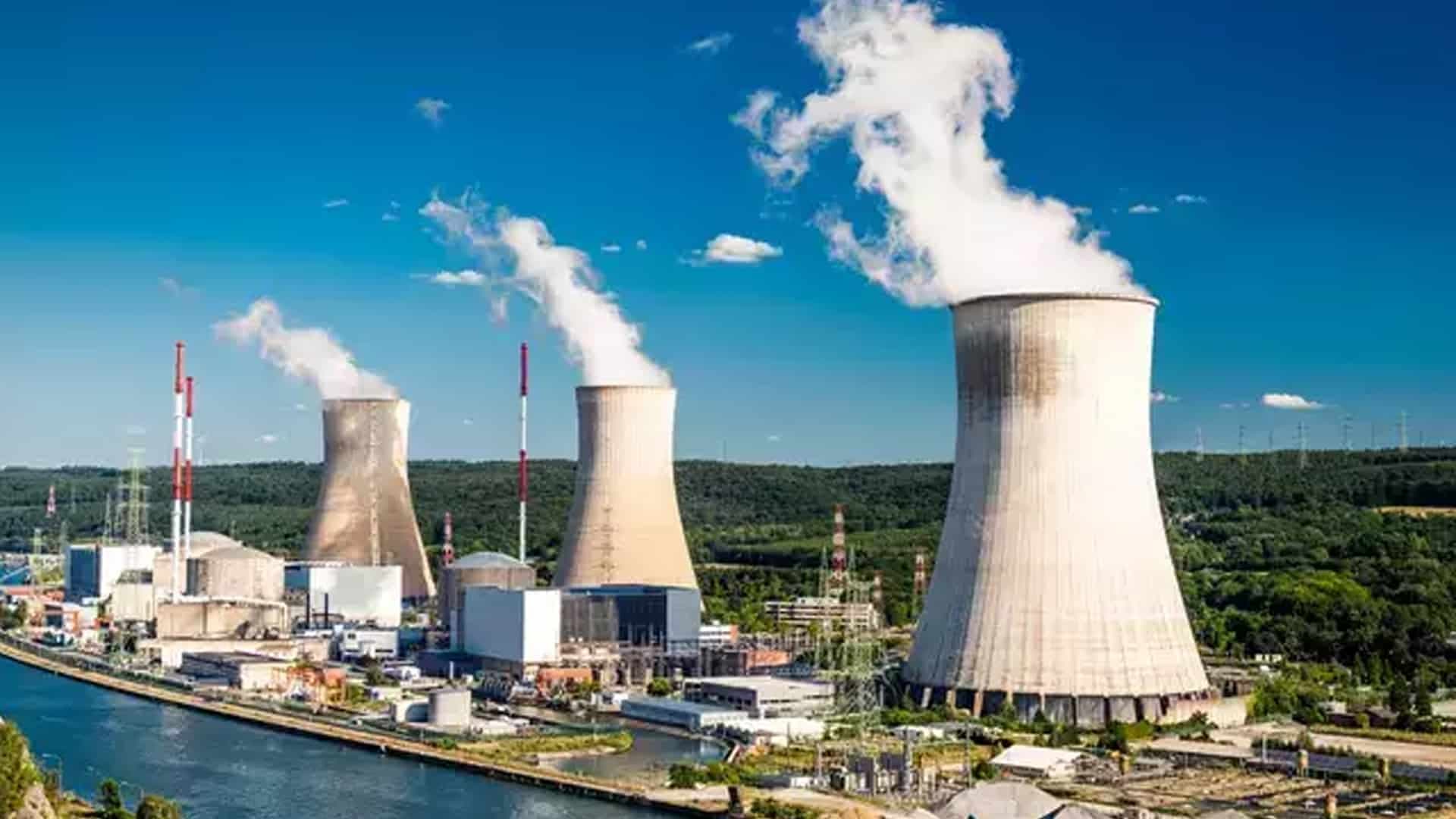
- Nuclear Energy
- Biotechnology
- Clean Energy
Notable Achievements:
- The number of Indian space startups has surged from single digits to over 400, with the space economy valued at approximately $9 billion and projected to grow significantly.
- Prototypes of Fast Breeder Reactors represent significant progress in India's long-term energy strategy, advancing the three-stage nuclear program envisioned by Dr. Homi J. Bhabha.
- Under the National Quantum Mission, India has achieved nearly half of its target 2,000 km quantum communication capability in its initial years.
AI and Biotechnology:
- AI is emerging as a transformative force in various sectors including governance, healthcare, and agriculture.
- The India AI Mission is focused on enhancing digital technologies through investments in computing infrastructure and datasets.
- The BioE3 Policy aims to revolutionize biotechnology-induced industrial transformation, with advancements in genome sequencing and indigenous drug development.
Economic and Strategic Implications:
- Dr. Singh emphasized that innovations in technology contribute to economic growth, strategic capabilities, and improved public service delivery.
- The evolving technological landscape positions India as a key player in addressing global challenges through innovation.
Government Initiatives:
- The government has encouraged private sector participation in science and technology to foster innovation and entrepreneurship.
- Recent reforms in the nuclear sector are designed to enhance private involvement, creating new opportunities for startups and entrepreneurs.
Future Directions:
- India is focusing on a diverse energy strategy that includes nuclear energy, green hydrogen, and solar energy, aligned with its commitment to achieve net-zero emissions by 2070.
- Emerging areas such as the blue economy and advanced biotechnology are expected to drive the next phase of development, capitalizing on India's unique natural and scientific advantages.
Conclusion:
- The last 12 years are viewed as the beginning of a comprehensive national transformation, equipping India to emerge as a leading knowledge economy and achieve its developmental goals by 2047.
This summary provides an overview of significant advancements and policies in science and technology in India, highlighting the government's strategic focus and the implications for the country's future.
Key Terms & Concepts
| Quantum Mission | Demonstrates India's tech advancement |
| Space Economy | Estimated at $9 billion |
| 400+ Space Startups | Growth in space sector |
| Prototype Fast Breeder Reactor | Key achievement in energy strategy |
| Bio-E3 Policy | Promotes biotech industrial change |
| AI (Artificial Intelligence) | Transformative force in governance |
| Sustainable Development Goals | Aligns with zero emissions by 2070 |
| National Quantum Communication | Achieved 1000 km capacity |
| Clean Energy Initiatives | Diverse strategy for sustainability |
| Himalayan Biodiversity | Potential resource for development |