iAspirants
India's Updated Climate Commitments 2026
Published on:
Share this post
Article Summary
Summary of India's Updated Nationally Determined Contribution (NDC) and Climate Actions
Key Targets of the Updated NDC:
- 60% Non-Fossil Capacity by 2035: Aim for 60% of installed electricity capacity from non-fossil sources.
- 47% Reduction in Emissions Intensity: Compared to 2005 levels.
- Carbon Sink Increase: Targeting a carbon sink of 3.5 to 4 billion tonnes of CO₂ equivalent.
Context and International Commitments:
- This NDC will be communicated to the United Nations Framework Convention on Climate Change (UNFCCC).
- India's previous NDC (August 2022) had set a goal of 50% non-fossil capacity and a carbon sink of 2.5 to 3 billion tonnes by 2030.
- Under the Paris Agreement, countries must periodically update their NDCs, which represent their commitments to renewable energy and greenhouse gas emissions reduction.
Progress and Emissions Data:
- India's CO₂ emissions growth decelerated to 0.7% in 2025, the slowest rate since 2001, excluding 2020 (COVID-19 impact).
- The power sector emissions fell 3.8% due to a decline in coal-fired generation.
- Key additions in clean energy:
- 47 GW of solar
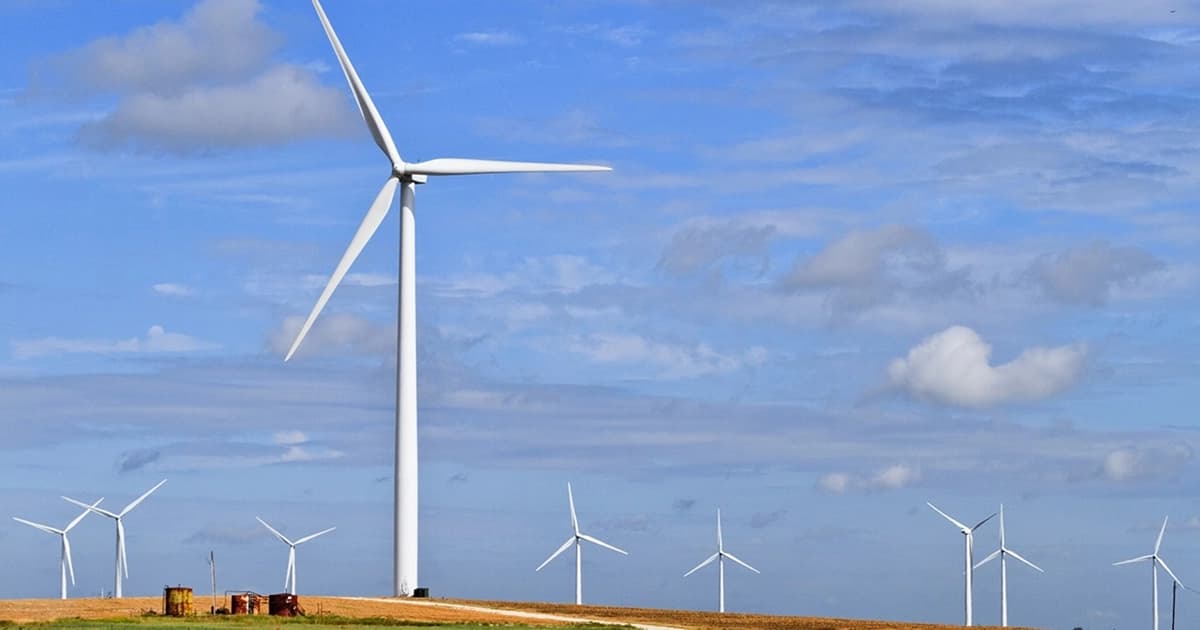
- 6.3 GW of wind
- 4 GW of hydro
- 0.6 GW of nuclear
- The Central Electricity Authority forecasts 786 GW from non-fossil sources, equating to 70% of total capacity by 2035-36.
Challenges and Contradictions:
- Despite the promise of renewables, India plans to add 100 GW of coal-fired capacity over the next seven years.
- A $1 trillion investment in petrochemicals by 2040 and a 50% increase in coal-based steel capacity by 2031 remain concerning.
- Over 37 GW of renewable capacity is currently stranded due to inadequate grid infrastructure.
- Current forest cover is at about 24%, short of the 33% target needed for sufficient carbon sinks.
International Assessment:
- The UNEP Emissions Gap Report 2025 indicates that global NDCs are not on track with the targets necessary to limit warming to 1.5°C.
- Only 14% of the emissions gap required to achieve the 1.5°C target has been closed by the submitted NDCs.
- The UAE Consensus from nearly 200 nations calls for accelerating climate actions but has not led to specific commitments for phasing out fossil fuel production in many countries.
Conclusion:
India's updated NDC represents significant commitments towards a cleaner energy future, alongside growing concerns regarding continued investments in fossil fuel infrastructure. The effectiveness of these climate pledges will depend on actual implementation and balancing economic growth with environmental sustainability.
Key Terms & Concepts
| Nationally Determined Contribution (NDC) | India's climate action framework |
| 60% non-fossil installed capacity | Target for 2035 |
| 47% emissions intensity reduction | Goal from 2005 levels |
| 3.5 billion-4 billion tonnes CO₂ | Target carbon sink |
| UN Framework Convention on Climate Change | International climate commitment body |
| Paris Agreement | Climate treaty requirement |
| 52% non-fossil capacity in early 2026 | Current installed capacity status |
| World Resources Institute | Published emissions gap analysis |
| 814 GW global solar and wind installed | Record capacity in 2025 |
| Centre for Research on Energy and Clean Air (CREA) | Source of emissions analysis |
| 47 GW of solar added in 2025 | New clean generation capacity |
| Central Electricity Authority’s National Generation Adequacy Plan |