iAspirants
Current AffairsPrelims PYQsUPSC CSE SyllabusUPSC CSE StrategyBlogsPricing
Login
iAspirants

Your AI-powered companion for UPSC preparation.

Quick Links

  • Home
  • About Us
  • Current Affairs
  • Prelims PYQs
  • UPSC CSE Syllabus
  • UPSC CSE Strategy
  • Blogs

Company

  • Pricing
  • FAQs
  • Contact Us
  • Login

Legal

  • Privacy Policy
  • Terms & Conditions
  • Return Policy

© 2025 iAspirants, Inc. All rights reserved.

  1. Blogs
  2. Environment and Ecology

India's Waste Management and Economic Vision

Published on: 13-Aug-2026

Source: The Hindu

Share this post

India's Waste Management and Economic Vision

Article Summary

Summary of Key Points on Waste Management and Organic Resources in India

Context and Vision:

  • Viksit Bharat by 2047: India's aim for developed status by 2047, necessitating sustained economic growth over the next two decades.
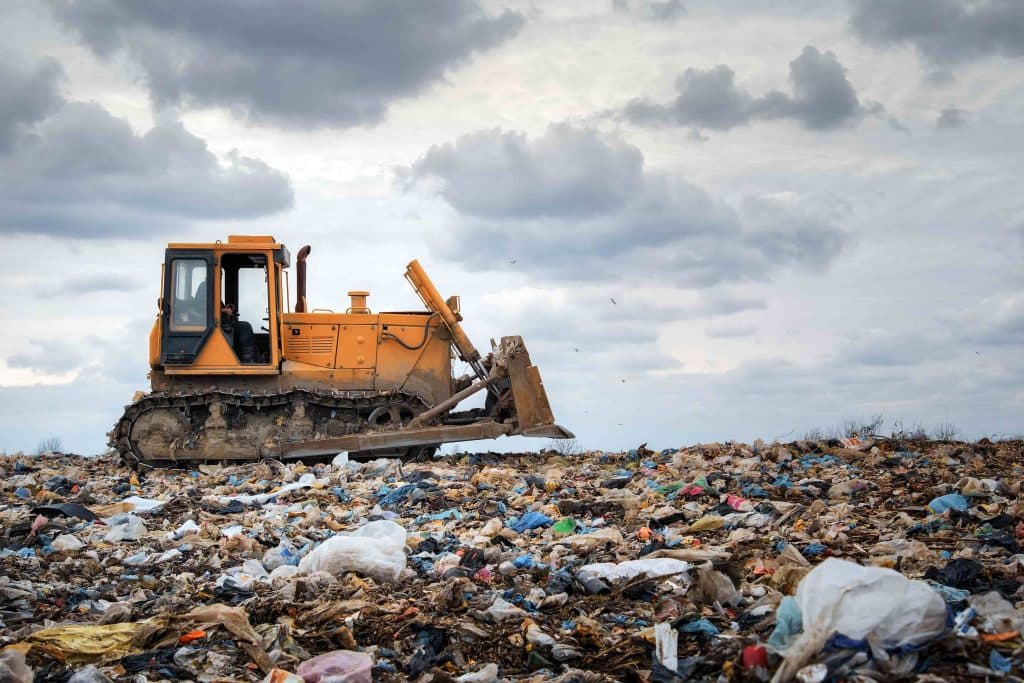
  • Rising consumption in urban and rural India leads to increased waste generation, with both economic and environmental impacts.

Current Challenges in Waste Management:

  • Waste Generation: Growth in waste volume and complexity across urban and rural areas, with evidence seen in public spaces (lakes, parks, urban roads).
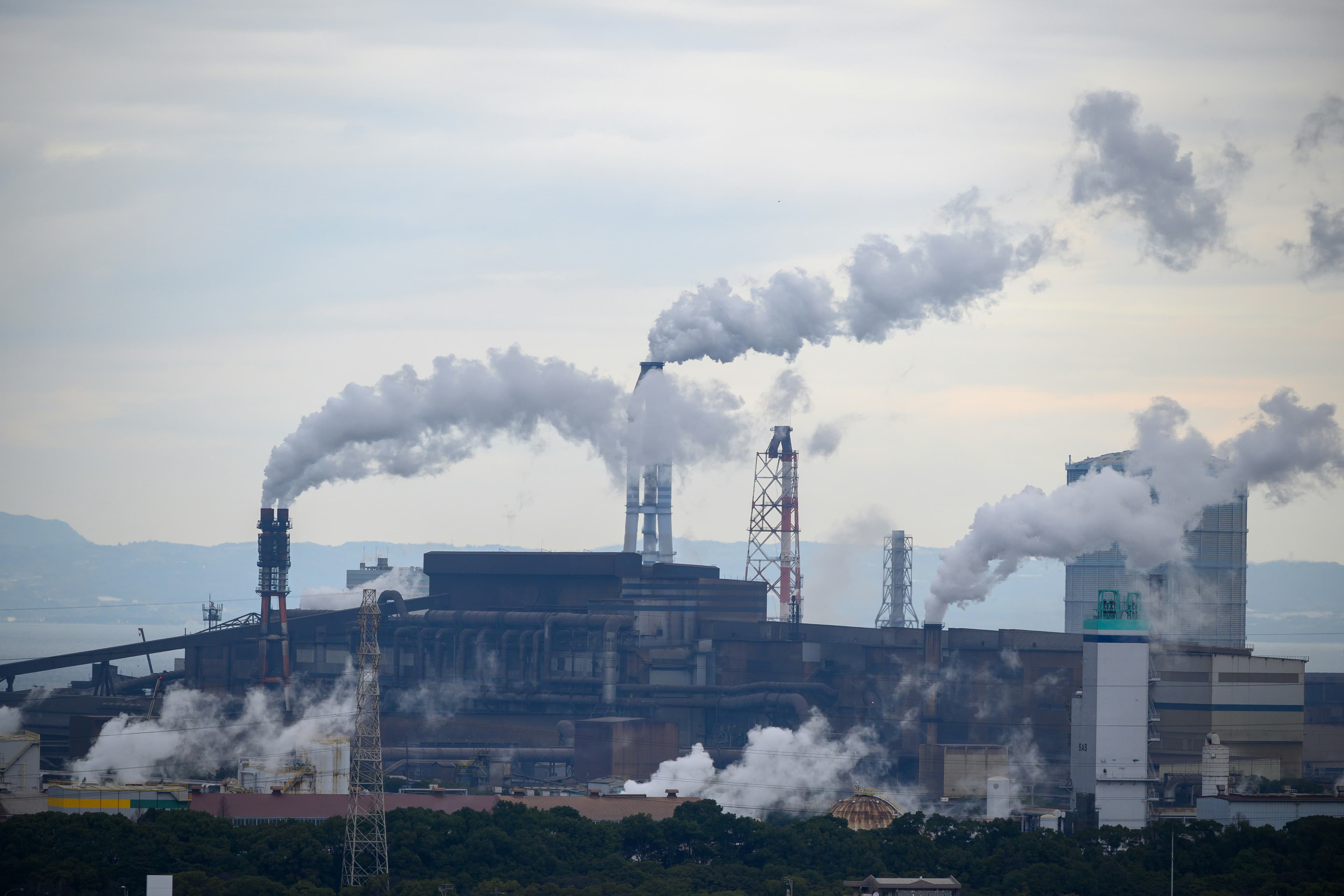
  • Environmental Impact: Open burning practices exacerbate air pollution and contribute to the release of greenhouse gases such as methane.

Waste Composition:

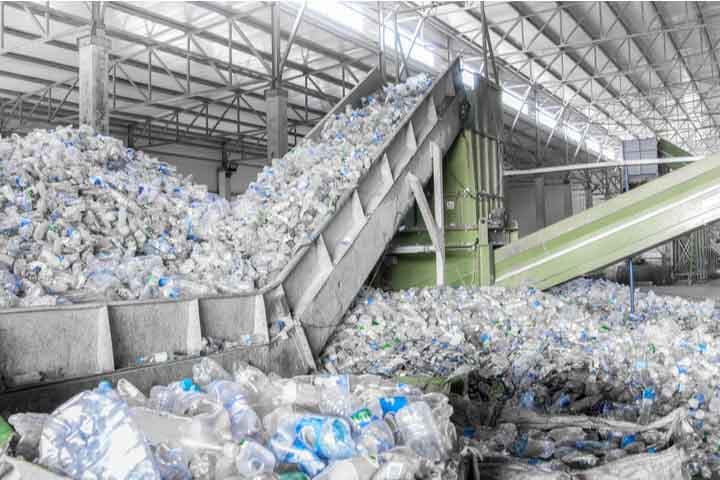
  • Waste includes hazardous materials, recyclable items, and biodegradable organic waste, indicating a need for proper management.
  • Organic waste is pivotal for composting, biogas generation, and reducing environmental pollution.

Regulatory Framework:

  • Solid Waste Management Rules, 2026: Emphasize source segregation and local wet waste treatment methods like composting.
  • India's existing regulatory framework has been criticized for gaps in actionable outcomes.

Institutional Complexity:

  • Fragmented Responsibility: Management of organic waste is divided among 16 ministries, creating a lack of clear accountability.
    • Example: Community composting initiatives involve multiple governing bodies (Ministry of Jal Shakti, local panchayats, Ministry of Rural Development).

Economic Perspective:

  • Investment and Job Creation: Improved organic waste management could unlock a market worth $51 billion by 2047, attracting $24 billion investments and generating approximately 2.6 million jobs.
  • Climate Benefits: Effective waste management can significantly reduce methane emissions and improve urban air quality.

Rural Contributions:

  • Rural India, often overlooked, contributes substantially to total waste generation, including agricultural and biowaste.

Data and Information Gaps:

  • Current data regarding organic waste is siloed within government systems, hindering cohesive resource management efforts.
  • Emphasis on the principle: “What cannot be measured cannot be managed,” stressing the importance of integrated waste data.

Recommended Reforms:

  1. Organic Resource Inventory: Develop an inventory capturing quantity, quality, and seasonality of organic waste, enhancing local governance.
  2. Coordinated Scheme Objectives: Align various schemes toward a unified goal of resource recovery.
  3. Market Development: Establish reliable markets for recovered products (e.g., quality compost) to support agricultural efficiency and environmental objectives.

Constitutional and Policy References:

  • Schemes: Swachh Bharat Mission, MGNREGS (Mahatma Gandhi National Rural Employment Guarantee Scheme).
  • Environmental Goals: Aligning recovery efforts with national climate priorities to reduce reliance on imported fertilizers and mitigate local air pollution.

In summary, achieving a sustainable and effective waste management system in India requires a unified approach, clear accountability among governing bodies, and integration of existing data to unlock economic and environmental benefits.

Key Terms & Concepts

Viksit BharatVision for developed India by 2047
Solid Waste Management Rules, 2026Regulatory framework for waste
Swachh Bharat Mission-GrameenRural sanitation program
MGNREGSFunding source for labor
Council on Energy, Environment and Water (CEEW)Research organization providing estimates
$51 billionMarket opportunity by 2047
$24 billionExpected investments in waste management
26 lakhPotential direct jobs created
MethaneGreenhouse gas from waste
Quality compost and biocharProducts from organic waste recovery
Data integrationNeeded for systemic response
Organic-resource inventoryTo manage organic waste sources

Mind Map for UPSC Civil Services Revision

Turn UPSC Civil Services Current Affairs Into Exam-Ready Notes

Reading Environment and Ecology current affairs is half the work. Revise them with ready-made notes and test what actually stuck.

  • Daily UPSC Civil Services current affairs analysis
  • Revision notes, mind maps & MCQs
  • Prelims mock tests with instant results

Related UPSC Civil Services Current Affairs Articles

Karnataka Rejects Kasturirangan Report
Environment and Ecology27-Sep-2026

Karnataka Rejects Kasturirangan Report

Summary: Karnataka's Rejection of Kasturirangan Report on Western Ghats

  1. Legislative Action:

    • Date: September 22, Karnataka Legislature unanimously passed a resolution rejecting the K. Kasturirangan Committee report on the Western Ghats.
Carbon sequestrationBenefit of compost
Rural and urban wasteMain contributors to total waste

Background of the Report:

  • The seventh draft by the Ministry of Environment, Ecology, and Climate Change was published on July 27, to declare parts of the Western Ghats as an Ecologically Sensitive Area (ESA).
  • Previous drafts have been rejected multiple times since 2014 due to concerns regarding livelihoods and developmental impacts.
  • Geographical Extent:

    • The Western Ghats is recognized as an ecological hotspot by UNESCO, covering 1.64 lakh square kilometers.
    • The Kasturirangan Committee proposed declaring 59,940 sq. km as ESA, involving 4,156 villages across six states: Karnataka, Kerala, Tamil Nadu, Goa, Maharashtra, and Gujarat.
  • Karnataka's Situation:

    • Karnataka would have the largest ESA area (20,668 sq. km across 1,576 villages).
    • Currently, the notified area is adjusted to 56,825 sq. km following ground surveys, impacting the number of villages included.
  • Environmental Regulations Proposed:

    • Activities prohibited in the ESA include mining, quarrying, and large industrial setups.
    • Infrastructure projects within 10 km of the ESA would require stringent environmental clearances under the EIA Notification, 2006.
    • Recommendations also included financial incentives for sustainable development and the establishment of a monitoring center.
  • Debate and Concerns:

    • Dispute over the extent of area to be declared ESA and concerns over the economic impact on agriculture and local livelihoods.
    • The Karnataka government maintained that the ESA should only encompass notified forests and adequately address land use categories.
    • Misinformation regarding restrictions on housing and agriculture activities has intensified local anxiety.
  • Judicial and Administrative Responses:

    • The Karnataka Legislature has called for a year for a physical survey to reassess the ESA boundaries, emphasizing the need for a transparent examination of stakeholder interests.
    • A high-level committee, headed by a retired judge, will be established to address shortcomings in the Kasturirangan report.
  • Previous Committee Reports:

    • The Gadgil Committee proposed categorizing the entire Western Ghats as ESA covering approximately 1.29 lakh sq. km, while the Kasturirangan Committee suggested only about 60,000 sq. km.
  • Government and Legal Framework:

    • The ongoing discussion involves constitutional protections related to environmental conservation, with the focus on balancing ecological protection and socio-economic sustainability.
    • Karnataka is advocating for methodologies used in Kerala, which involved physical verification processes for ESA designations.
  • Overall, Karnataka's rejection of the Kasturirangan report illustrates the complex interplay between environmental policy, local livelihoods, and government accountability in managing ecologically sensitive regions.

    Ayurveda and Environmental Conservation Initiative
    Environment and Ecology25-Sep-2026

    Ayurveda and Environmental Conservation Initiative

    Exam-Focused Notes on Ayurvedic and Environmental Initiative in Aravalli

    Initiative Overview:

    • A collaborative project between Akhil Bharatiya Ayurveda Sansthan (AIIA), New Delhi, and 132 Infantry Battalion (Territorial Army) Eco Rajput.
    • Objective: Planting of 10,000 Ashwagandha (Withania somnifera) plants and scientific monitoring in the Terriers Herbal Garden, Bhatti Mines, South Delhi.

    Key Details:

    • Date of Event: September 24, 2026.
    • Leaders of the Initiative:
      • Prof. (Vaidya) Pradeep Kumar Prajapati, Director, AIIA.
      • Colonel Mohan Singh, Commanding Officer, 132 Infantry Battalion.

    Scientific and Environmental Focus:

    • The initiative integrates traditional Ayurvedic practices with scientific research and biodiversity conservation.
    • Regular monitoring and documentation of Ashwagandha growth to understand its adaptation to local climatic and environmental conditions.
    • Aims to strengthen the relationship between Ayurveda, nature, and sustainable development.

    Importance of Ashwagandha:

    • Recognized as a significant medicinal plant in Ayurveda.
    • The initiative will contribute to biodiversity conservation and knowledge creation regarding medicinal plants.

    Roles and Responsibilities:

    • Technical Support: AIIA tasked with providing technical assistance for the proper maintenance and management of the herbal garden.
    • Involvement of faculty and Ph.D. researchers from AIIA in the project.

    Environmental Significance:

    • The Bhatti Mines area is part of the South Ridge and Aravalli landscape, which has been affected by mining activities.
    • The project focuses on green restoration and replanting in degraded areas, promoting ecological balance.

    Existing Biodiversity at the Site:

    • The herbal garden already hosts around 200 species of medicinal and Ayurvedic plants, including Harshringar, Amla, and Aloe Vera.

    Government Policies and Campaigns:

    • The initiative aligns with the objectives of the National Medicinal Plant Board (NMPB) under the Ministry of AYUSH.
    • The NMPB runs the "Ashwagandha—A Health Promoter" campaign to raise awareness about the health benefits of Ashwagandha.

    Constitutional and Policy Context:

    • The initiative reflects the Directive Principles of State Policy (DPSP) in promoting sustainable development and environmental protection (Article 48A - Protection and improvement of environment and safeguarding of forests and wildlife).
    • Emphasizes the integration of traditional knowledge with modern scientific approaches, supporting the Cultural Rights as per Article 29 of the Constitution.

    Goals of the Initiative:

    • To foster scientific research related to medicinal plants.
    • To enhance biodiversity conservation efforts and develop an environmentally friendly ecosystem.

    Conclusion: This initiative serves as a bridge between traditional Ayurvedic knowledge and contemporary scientific research, promoting environmental restoration and biodiversity conservation in the Aravalli region.

    Transforming Plastic Waste Management in India
    Environment and Ecology25-Sep-2026

    Transforming Plastic Waste Management in India

    Exam-Focused Notes on Plastic Waste Management in India

    Key Concepts and Initiatives

    1. Swachh Bharat Mission (SBM):

      • Launched on October 2, 2014, aims to improve waste management systems in India.
      • Focuses on collection, segregation, and recovery of waste.
    2. Single-Use Plastic Ban:

      • Effective from July 1, 2022, bans identified single-use plastic items across India.
      • Supports the transition towards sustainable alternatives.
    3. Local Initiatives:

      • Trichy City Corporation: Launched campaigns to reduce single-use plastic in markets.
        • Engaged 220 vendors across three farmer markets.
        • Resulted in saving 2,200 kg of single-use plastic in one year.
    4. Thaila ATM Initiative:

    Bengaluru's Hebbal Tunnel Biodiversity Impact
    Environment and Ecology24-Sep-2026

    Bengaluru's Hebbal Tunnel Biodiversity Impact

    Summary of Bengaluru’s Hebbal Short Tunnel Project Impacts

    Environmental Concerns

    • Biodiversity Impact:

      • Over 70 tree species among the 1,128 trees within a 2.2-km stretch designated for felling for the Hebbal short tunnel project.
      • Notable species include Indian Kino, Big-leaf Mahogany, Beleric Myrobalan, and Yellow Tabebuia.
    • Microclimate Changes:

      • Experts predict felling will lead to a temperature increase of at least 2 degrees Celsius and create heat islands affecting a 2-km radius around the area.
      • Potential destruction of habitats, oxygen banks, and direct impact on underground water levels due to loss of tree cover.
    • Citizen Concerns:

      • More than 20,000 signatures have been gathered on a petition opposing the project, advocating for a pause and independent environmental assessments.
      • Calls for greater transparency in the public objection process, with demands for detailed lists of affected trees to facilitate meaningful objections.

    Government and Legal Framework

    • Greater Bengaluru Authority (GBA):

      • Issued a public notice on September 20, inviting public objections to the proposed tree felling but faced criticism for not uploading specific tree details.
    • Financial Aspects:

      • The project budget is approximately ₹1,140 crore.

    Urban Planning Implications

    • Urban landscapes, such as that of Bengaluru, have previously retained significant green spaces, making the number of species within this area notably high.
    • The Hebbal region is characterized by prior environmental degradation, raising additional concerns regarding urban heat and quality of life deterioration.

    Public Response and Activism

    • Environmental activists and citizen groups have criticized the GBA for negligence in handling the objection process.
    • Advocates stress the importance of preserving the "green-blue landscape" of Bengaluru for ecological balance and urban sustainability.

    Key Concerns for Examination

    • Environmental Legislation: Awareness of laws governing tree felling, urban planning, and preservation of green spaces.
    • Public Participation: Understanding mechanisms for citizen engagement in urban development projects.
    • Climate Impact Assessments: The significance of independent assessments for evaluating environmental impacts of major infrastructure projects.
    • Sustainable Urban Development: Challenges and strategies in balancing development needs with environmental protection and urban ecology.

    This summary consolidates crucial facts, figures, and stakeholder perspectives related to the Hebbal short tunnel project, emphasizing its environmental, financial, and regulatory dimensions.

    Chennai's Water Management and Innovation
    Environment and Ecology24-Sep-2026

    Chennai's Water Management and Innovation

    Water Management Innovations and Sustainability Efforts

    Chennai Water Crisis

    • The acute water crisis in Chennai in 1980 shifted CPCL’s approach to used water towards the principles of reduce, reuse, and recycle.
    • Current water management discussions are focusing on treating wastewater as an economic resource.

    Key Figures and Efforts

    • CPCL has adopted strategies to optimize its water consumption, producing 480 tonnes of steam through recycling efforts.
    • Indian Oil Corporation Limited (IOCL) is recycling 90-91% of its wastewater across its nine refineries, with plans to replace fresh water with treated water from sewage treatment plants (STPs) in major cities like Vadodara and Guwahati.

    Desalination and Seawater Usage

    • RAJIV MITTAL from VA TECH WABAG Limited advocated for the use of seawater instead of relying solely on freshwater resources, addressing the misconception that desalination is prohibitively expensive.
    • Emphasis was made on viewing untreated wastewater as a resource rather than waste.

    Geothermal Energy Development

    Court Bans Noise Pollution During Festivals
    Environment and Ecology24-Sep-2026

    Court Bans Noise Pollution During Festivals

    Summary of the Bombay High Court Ruling on Noise and Air Pollution during Festivals in Maharashtra

    Judicial Action:

    • On September 22, the Bombay High Court ordered a ban on firecrackers, laser lights, music, instruments, and sound systems during festivals across Maharashtra.
    • The decision followed suo motu cognizance of noise pollution issues discussed in court on September 21.
    • A Division Bench comprising Justice Girish Kulkarni and Justice Dr. Neela Gokhale will review compliance on October 15.

    Legal Provisions and Compliance:

    • Organizers of festivals must deposit ₹1 lakh for permission under the Noise Pollution (Regulation and Control) Rules, 2000; individuals must deposit ₹50,000.
    • Deposits will be forfeited if the decibel level exceeds legal limits during the event.
    • Mandatory installation of decibel meters is required, with their readings displayed prominently.
    • Organizers must provide an undertaking that sound systems will be equipped with sound limiters and ensure compliance with all permissions.

    Accountability Measures:

    India's Energy Transition Towards Net-Zero
    Environment and Ecology24-Sep-2026

    India's Energy Transition Towards Net-Zero

    Key Points from the Panel Discussion on India's Refining and Energy Sector

    Energy Transition and Net-Zero Goals

    • Net-Zero Target: Chennai Petroleum Corporation Limited (CPCL) aims for net-zero Scope 1 and Scope 2 emissions by 2046.
      • Scope 1: Direct emissions from refinery operations.
      • Scope 2: Emissions from purchased electricity.
      • Scope 3: Dependent on the transition in sectors consuming refinery products, particularly transportation.

    Technological and Operational Improvements

    • CPCL has achieved increased crude throughput with enhanced energy conservation measures, cleaner fuels, operational optimizations, and digitalization.
    • The transition includes moving from high-carbon to low-carbon systems instead of immediate fossil fuel replacement.
    • Green hydrogen is advancing from policy to practical implementation, though high costs remain a barrier.

    Challenges in Renewable Energy

    • The intermittent nature of renewable energy presents challenges for refineries requiring stable energy supply.
  • Implemented in Vita, Maharashtra, providing reusable cloth bags through vending machines.
  • Monitored by GSMA technology, ensures stock availability.
  • Over 6,000 bags sold, promoting accessibility to reusable options.
  • Buy-Back Scheme in Andaman & Nicobar Islands:

    • Encourages returning used plastic milk pouches for rewards (fresh milk, discounts).
    • By November 2024, 17,600 pouches collected, yielding 352 liters of milk.
  • Waste Recovery and Recycling:

    • Bengaluru: Project to convert plastic waste into usable materials.
      • Established a recovery facility in 2019, employing 76 sanitation workers during COVID-19.
      • Processes waste for use in roads, agricultural pipes, and furniture.
  • Multi-layered Plastic Recycling:

    • Patiala's Plastic Recycling Facility: Converts hard-to-recycle multi-layered plastics into eco-friendly chipboard.
      • Daily production capacity of 10 tons, producing 75-100 chipboards.
  • Economic and Environmental Impact

    • Plastic Consumption:
      • Bengaluru consumes approximately 16 kg of plastic per person monthly.
    • Community Engagement:
      • Local self-help groups distribute paper and cloth bags, further promoting sustainable practices.

    Constitutional and Policy Framework

    • Constitutional References:
      • Article 51A (g): Encourages citizens to protect and improve the natural environment.
      • Directive Principles of State Policy (DPSP): Article 48A mandates the state to protect and improve the environment.

    Future Directions

    • The Swachh Bharat Mission aims to further enhance waste processing and material recovery, emphasizing sustainable practices in daily life.
    • Local actions highlight the importance of community involvement in reducing plastic waste.

    Summary of Results

    • Initiatives across cities show significant reductions in plastic usage.
    • Emphasis on creating a circular economy through recycling and reusing materials.
    • Continuous efforts to educate and engage communities in sustainable waste management practices.

    These initiatives reflect India's commitment to addressing plastic pollution through community-driven actions and policy enforcement, contributing to a cleaner and more sustainable environment.

    • Rajesh Nair from IIT Madras introduced India's first project aimed at deriving geothermal energy from unused oil and gas wells, underscoring the importance of assessing groundwater quality and the significance of conserving wetlands.

    Technological Integration for Water Management

    • The summit called for integrating digital data analysis and IoT solutions to monitor water conditions and manage resources effectively. This includes establishing clear guidelines for water usage and promoting groundwater recharge strategies.

    Partnerships and Support

    • The summit was supported by various partners including CPCL, NLC India Limited, and Larsen & Toubro, and involved partners focusing on sustainability, climate action, and economic strategy.

    This summary emphasizes ongoing efforts towards managing water resources sustainably in Chennai, reflecting innovative strategies, technological advancements, and community partnerships pivotal for future water management approaches.

  • Names, addresses, and contact details of participants and organizers must be displayed to ensure accountability for violations.
  • Authorities mandated to assess the cumulative impact of event permissions in specific wards on local noise pollution before granting approvals.
  • No permissions will be granted without a proper noise pollution assessment.
  • Enforcement Directives:

    • The court instructed authorities to actively monitor and enforce noise pollution regulations; actions to be taken against unauthorized use of sound systems include seizure of equipment.
    • A specific ban on firecrackers and high-intensity lights during festivals to mitigate both air and noise pollution.
    • Emphasis on the necessity for the implementation of the Noise Pollution Rules, maintaining that festival celebrations do not exempt adherence.

    Health and Environmental Concerns:

    • The court highlighted the lack of regulatory norms for the toxicity of smoke from firecrackers, denoting serious health hazards to participants.
    • It emphasized that noise pollution adversely affects health, particularly impacting the well-being of sensitive groups such as the ill, students, and children.
    • Authorities were urged to address ongoing air quality challenges, especially post-monsoon when pollution levels typically rise.

    Relevant Laws and Constitutional References:

    • Enforcement is under the Noise Pollution (Regulation and Control) Rules, 2000; the Environment (Protection) Act, 1986; and the Bharatiya Nyaya Sanhita, 2023.
    • Breaches of noise pollution regulations are considered violations of citizens' rights, necessitating government intervention and public awareness regarding pollution responsibilities.

    Future Compliance:

    • Further discussions will occur on October 15 regarding compliance with the aforementioned directions.
    • The court reiterated the importance of citizen awareness concerning the need to control and regulate pollution to promote societal well-being.

    This summary encapsulates the significant judicial rulings, legal implications, and environmental considerations addressed by the Bombay High Court concerning noise and air pollution during Maharashtra's festival seasons.

  • Emphasis on the need for energy storage and technological advancements in electrolysis.
  • Refineries are developing Sustainable Aviation Fuels (SAF) using feedstocks like used cooking oil, facing challenges in collection and sustainability certification.
  • Regulatory Framework and Carbon Credits

    • Introduction of the Carbon Credit Trading Scheme to shift energy efficiency in the petrochemical industry to a compliance-based mechanism.
      • Companies will have emissions-intensity targets for specific periods and can trade excess efficiency certificates.
      • The Bureau of Energy Efficiency already has mechanisms like the Perform, Achieve and Trade scheme for incentivizing energy efficiency.

    Economic Resilience Strategies

    • The geopolitical landscape’s effect on crude supplies requires Indian refineries to diversify sources and enhance supply resilience.
    • The importance of safeguarding energy security while investing in renewable energy, green hydrogen, and sustainable fuels.

    Collaborative Efforts and Partnerships

    • The summit is supported by various organizations including CPCL, NLC India Limited, and Larsen & Toubro with specific partnerships focused on sustainability, climate action, and energy efficiency.

    Implications and Future Outlook

    • Transitioning towards net-zero while maintaining energy security necessitates a balanced approach focusing on energy efficiency before undertaking costly decarbonization technologies.
    • Future investments in renewable technologies and fuel alternatives will be vital for achieving sustainable energy goals while navigating economic and geopolitical challenges.

    Conclusion

    The discussions highlight the crucial need for strategic advancements in technology, regulatory frameworks, and collaborative efforts to ensure a robust transition to a sustainable energy future in India’s refining sector.