iAspirants
India's Water Crisis and Governance
Published on:
Share this post
Article Summary
Summary of India's Water Governance and Crisis
Water Availability and Challenges:
- Annual Rainfall: India receives approximately 4,000 billion cubic meters of rainfall annually.
- Freshwater Access: Despite the high rainfall, India has access to only 4% of the world’s freshwater resources and around 1,100 billion cubic meters is deemed usable.
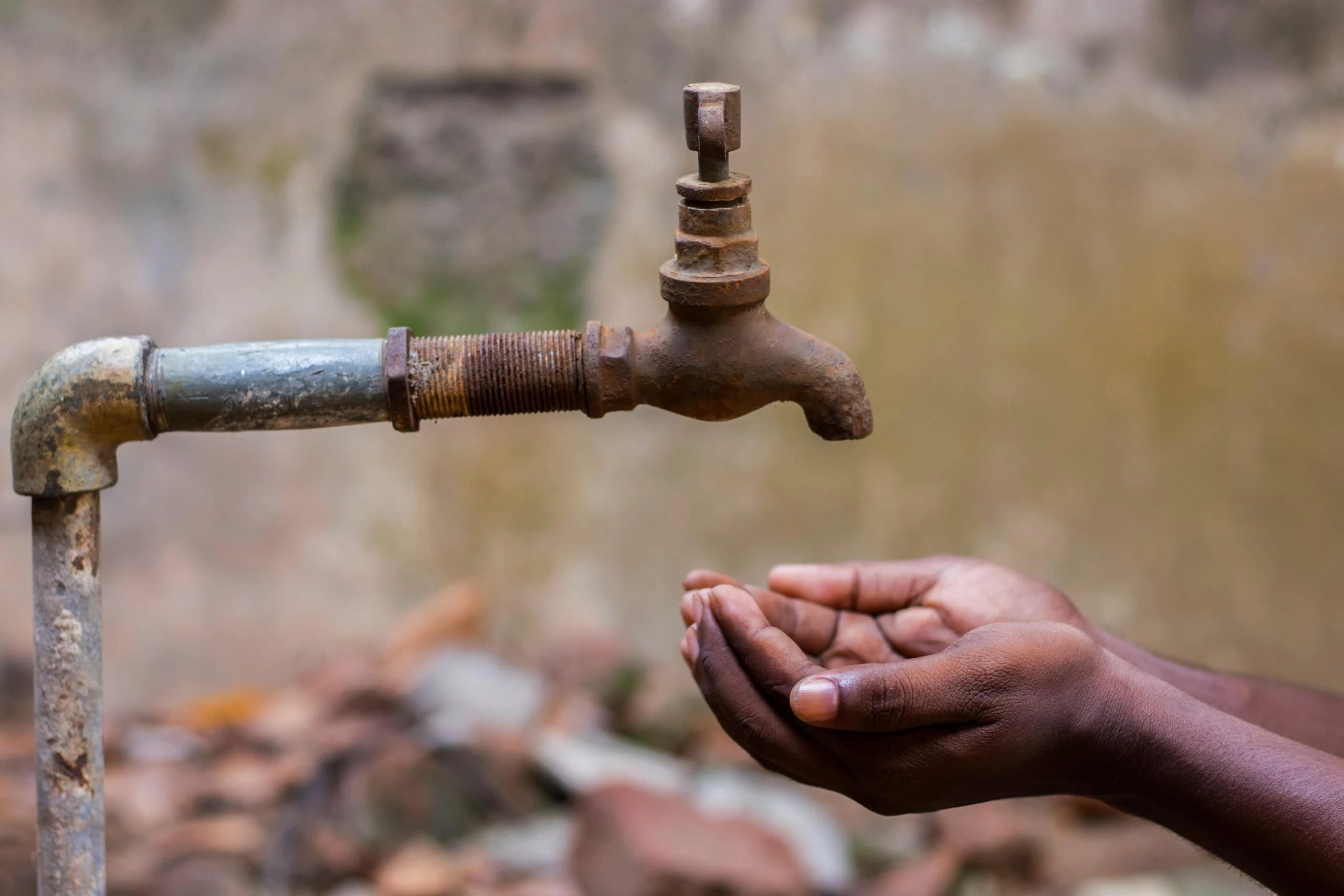
- Water Stress: About 600 million people face high to extreme water stress as per the NITI Aayog’s Composite Water Management Index.
- Per Capita Water Availability: Availability has decreased from over 5,000 cubic meters per person post-independence to roughly 1,400 cubic meters currently.
Groundwater Usage:
- Groundwater Dependence: India is the largest groundwater user worldwide, accounting for 25% of global extraction. This has enabled agricultural growth but led to declining water tables.
Governance Structure:
- Institutional Framework: Water governance involves a multi-level structure (Union, State, and local bodies).
- Key Ministries:
- Ministry of Jal Shakti: Oversees water resources and sanitation.
- Central Water Commission: Focuses on surface water and flood control.
- Central Ground Water Board: Monitors and assesses groundwater resources.
Policy and Legislative Context:
- Constitutional Division: Most water responsibilities lie with state governments, creating coordination challenges.
- NITI Aayog's Role: Assesses state performance in water governance through the Composite Water Management Index to introduce accountability.
Government Initiatives and Schemes:
- Jal Jeevan Mission (2019): Aiming for universal tap connections in rural areas, extended until 2028.
- Atal Bhujal Yojana: Encourages community-based groundwater management.
- Pradhan Mantri Krishi Sinchayee Yojana: Focuses on micro-irrigation and improved agricultural water management.
- Atal Mission for Rejuvenation and Urban Transformation: Enhances urban water supply, sewage systems, and wastewater reuse.
- Namami Gange Programme: Combines pollution control and ecological restoration in the Ganga basin.
Strategic Directions:
- Integrated Governance Approach: Emphasizes wastewater reuse, efficient irrigation methods, and technological innovation.
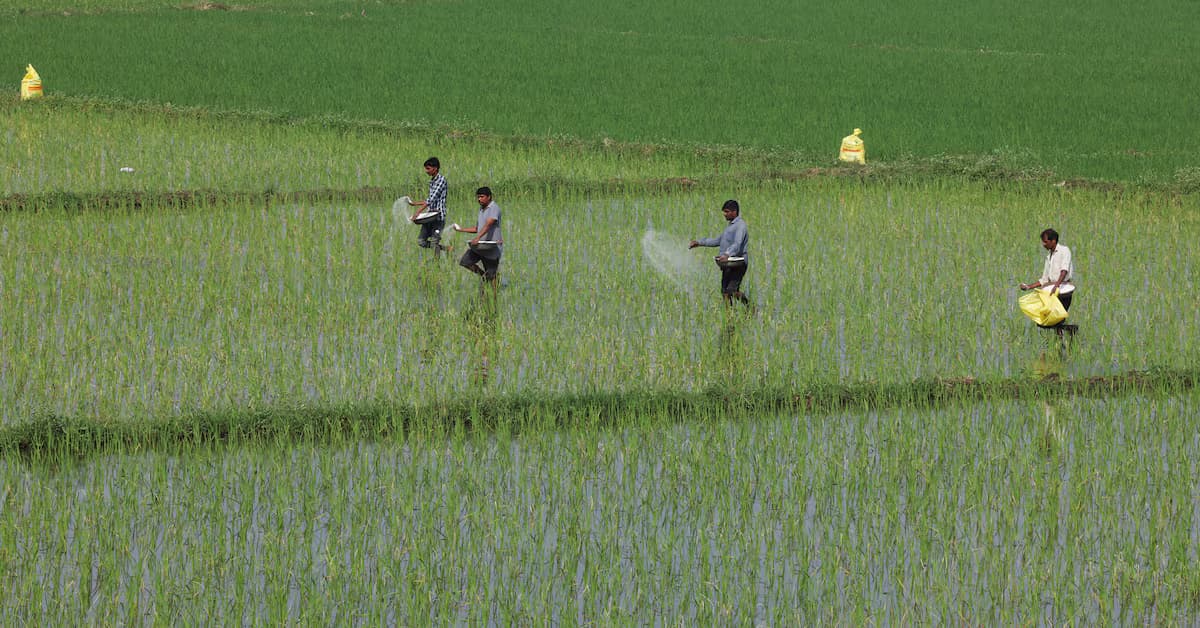
- Agricultural Productivity: Improving irrigation efficiency is vital since agriculture consumes the majority of India’s freshwater resources.
- Future Outlook: Sustainable water governance will hinge more on management and innovation than on mere precipitation levels.
International Context:
- Sustainable Development Goal 6: India's commitments align with UN goals for clean water and sanitation, reinforcing the importance of improving water governance for economic growth and social well-being.
Conclusion:
The complexity of India’s water governance requires innovative strategies to manage existing resources effectively. By enhancing institutional frameworks, utilizing technology, and adopting participatory approaches, the country can address water scarcity and transform its water economy towards a sustainable future.
Key Terms & Concepts
| Sustainable Development Goal 6 | Global water governance commitment |
| NITI Aayog Composite Water Management Index | Assessment of water governance |
| Jal Jeevan Mission | Rural tap connections initiative |
| Atal Bhujal Yojana | Participatory aquifer management |
| Pradhan Mantri Krishi Sinchayee Yojana | Promotes irrigation efficiency |
| Atal Mission for Rejuvenation and Urban Transformation | Urban water management improvement |
| Namami Gange Programme | Ganga basin restoration initiative |
| 600 million people | Facing high water stress |
| 4,000 billion cubic metres | Annual rainfall in India |
| 1,100 billion cubic metres | Usable water availability |
| 1,400 cubic metres | Current per-capita water availability |
| quarter of global extraction |