iAspirants
India's Water Management Progress and Challenges
Published on:
Share this post
Article Summary
Key Facts and Data on India's Water Management Challenges and Initiatives
Water Supply Improvements
- Jal Jeevan Mission has provided tap water to nearly 80% of rural households.
- Urban areas experience intermittent water supply.
- The number of Census towns in India increased from 1,362 to 3,784 (a 178% increase) over the last two decades.
Peri-Urban Challenges
- Peri-urban areas face unique challenges due to lacking formal recognition (neither fully rural nor urban).
- Example: Rawta village near Delhi faces irregular water supply, only accessing water on alternate days, contributing to exploitation by private vendors.
- In Gurugram, residents face inefficiencies from transitioning to urban governance without adequate services.
Sanitation Issues
- About 40 million urban households rely on septic systems, with irregular desludging practices leading to environmental hazards.
- Examples of environmental impact include toxic leachate from waste affecting groundwater quality.
Future Projections
- By 2047, India will require 230 million new housing units and plans for 500 new cities due to urbanization trends.
Needed Actions for Improvement
- Governance Reform: Establish Nagar Panchayats for all Census towns as envisioned in the 74th Constitutional Amendment; enhance accountability through community engagement.
- Source Sustainability: Ensure drinking water sources are protected to sustain the success of the Jal Jeevan Mission.
- Sanitation Enhancement (Swachh Bharat Mission 3.0): Focus on peri-urban sanitation with specific management strategies for faecal sludge and septage. Suggested strategies include:
- Building faecal sludge treatment plants where sewage plants are distanced.
- Implementing GPS-equipped desludging trucks to monitor operations.
- Decentralized Wastewater Treatment: Promote and scale successful technologies like those from startups Indra Water and Tigreen, ensuring policy support and market creation.
- Financing Water Infrastructure: Adopt blended finance models, similar to Uttarakhand's approach, which combines State risk with international funding mechanisms.
Economic Implications and Water Security
- Addressing these challenges in peri-urban areas aligns with sustainable development and economic growth, crucially influencing future water management strategies across India.
- Water management in peri-urban regions can catalyze economic dynamism and ensure water security, thus transforming them from underserved areas to vital urban centers.
Conclusion
The future of India's water security largely depends on strategic planning and immediate action in the peri-urban landscape, focusing on governance, sustainability, sanitation, innovative technologies, and robust financing structures to establish comprehensive water management frameworks.
Key Terms & Concepts
| Jal Jeevan Mission | Provides tap water access |
| Census towns | Increased from 1,362 to 3,784 |
| Swachh Bharat Mission | Focus on sanitation improvements |
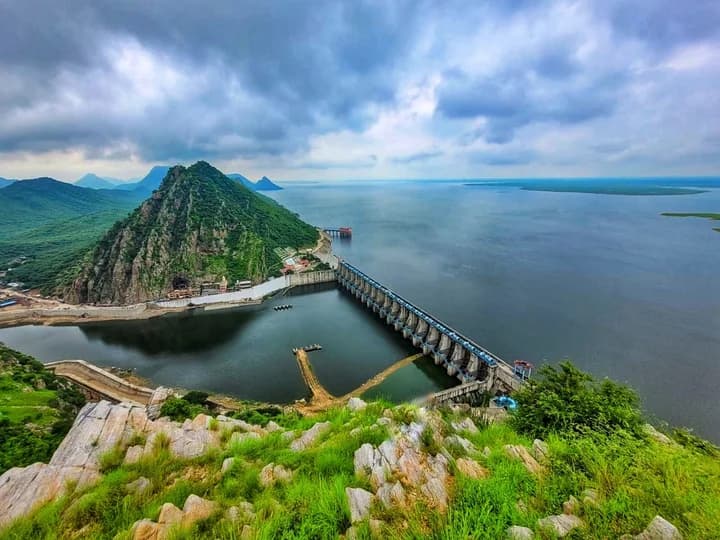
| Bisalpur dam | Water source for Jaipur |
| 74th Constitutional Amendment | Envisions Nagar Panchayats |
| Maharashtra | Successful source sustainability model |
| Uttarakhand model | Blended finance structure |
| Decentralised wastewater treatment technologies | Innovative waste management solutions |
| GPS-equipped desludging trucks | Prevent illegal dumping |
| ₹1,500-₹6,000 | Desludging cost range |
| 500 new cities by 2047 | Future housing and city requirement |
| Community-driven sanitary inspections | Improve local water source management |