iAspirants
Current AffairsPrelims PYQsUPSC CSE SyllabusUPSC CSE StrategyBlogsPricing
Login
iAspirants

Your AI-powered companion for UPSC preparation.

Quick Links

  • Home
  • About Us
  • Current Affairs
  • Prelims PYQs
  • UPSC CSE Syllabus
  • UPSC CSE Strategy
  • Blogs

Company

  • Pricing
  • FAQs
  • Contact Us
  • Login

Legal

  • Privacy Policy
  • Terms & Conditions
  • Return Policy

© 2025 iAspirants, Inc. All rights reserved.

  1. Blogs
  2. Biodiversity

Indigenous Communities and Elephant Conservation

Published on: 15-Aug-2026

Source: The Hindu

Share this post

Indigenous Communities and Elephant Conservation

Article Summary

Notes on Indigenous Communities and Elephant Conservation in Tamil Nadu

Indigenous Knowledge and Practices

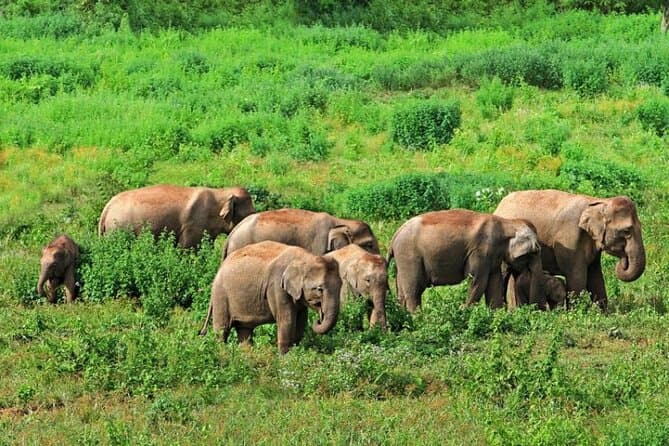
  • Indigenous communities possess generations of ecological knowledge essential for biodiversity conservation, particularly concerning ecosystems, wildlife behavior, and sustainable practices.
  • In Tamil Nadu, communities such as the Kaatunaickers, Kurumbas, and Malasars have longstanding traditions in elephant care at historical sites like Theppakadu Elephant Camp, established in the 1920s.

Training Practices

  • The Theppakadu Elephant Camp rehabilitates 27 elephants using traditional, compassionate training methods without conventional tools (e.g., ankush).
  • Mahouts, primarily local tribal members, utilize techniques that integrate scientific understanding of elephant behavior with humane treatment.

Tribes and Their Contributions

  • Malasars, residing at Kozhikamuthi Elephant Camp, utilize a distinct set of over 60 commands for elephant cooperation, underscoring their deep cultural bond with elephants.
  • The community received national recognition (Gaj Gaurav Award) for their conservation efforts and significant contributions to wildlife management.

Human-Elephant Conflict and Conservation Policies

  • Project Elephant: Launched by the Ministry of Environment, Forest, and Climate Change, this flagship initiative aims to mitigate human-elephant conflict by funding various conservation projects across states.
  • Use of technology: AI-based monitoring systems are installed to predict elephant movements and reduce collisions, but their effectiveness requires field studies and proper integration with existing ecosystems.

Recent Incidents and Challenges

  • A tragic incident occurred on August 13, involving the death of an elephant mother and calf on a railway track, highlighting ongoing conflicts between human infrastructure and wildlife.
  • Experts emphasize that technological solutions must be tailored to local contexts to effectively mitigate human-elephant conflicts. An example includes successful cooperative planning in Valparai, which minimized conflicts through involvement of locals and stakeholders.

Environmental Considerations

  • Mitigation strategies must consider the ecology and behavior of elephants, recognizing that standard methods may not be universally applicable across diverse landscapes.
  • Armed with historical knowledge and a deep connection to nature, indigenous communities play a vital role in species conservation efforts, promoting sustainable coexistence between humans and elephants.

Key Takeaways

  • The essence of indigenous wisdom in wildlife management is showcased through the practices of tribal communities managing elephants.
  • Official policies like Project Elephant emphasize the need for integrated approaches combining technology, local wisdom, and compassion.
  • Successful conservation hinges on understanding and respecting both human and wildlife needs in a diverse ecological landscape.

These points reflect the key facts, practices, and policies surrounding elephant conservation and the role of indigenous communities in Tamil Nadu.

Key Terms & Concepts

World Indigenous Peoples’ DayHonoring Indigenous knowledge
The Elephant WhisperersDocumentary on elephants
Mudumalai Tiger ReserveLocation of elephant camp
Kozhikamuthi elephant campTraditional care for elephants
Project ElephantConservation initiative in India
AI-enabled monitoring and early warning systemsTechnology for conflict mitigation
Gaj Gaurav AwardNational honor for elephant conservation
August 12World Elephant Day
AI-based systems in CoimbatoreTechnology to reduce elephant deaths

Mind Map for UPSC Civil Services Revision

Turn UPSC Civil Services Current Affairs Into Exam-Ready Notes

Reading Biodiversity current affairs is half the work. Revise them with ready-made notes and test what actually stuck.

  • Daily UPSC Civil Services current affairs analysis
  • Revision notes, mind maps & MCQs
  • Prelims mock tests with instant results

Related UPSC Civil Services Current Affairs Articles

Maharashtra Drought Threats and Historical Context
Economic and Social Development27-Sep-2026

Maharashtra Drought Threats and Historical Context

Exam-Focused Notes on Drought in Maharashtra

Historical Context

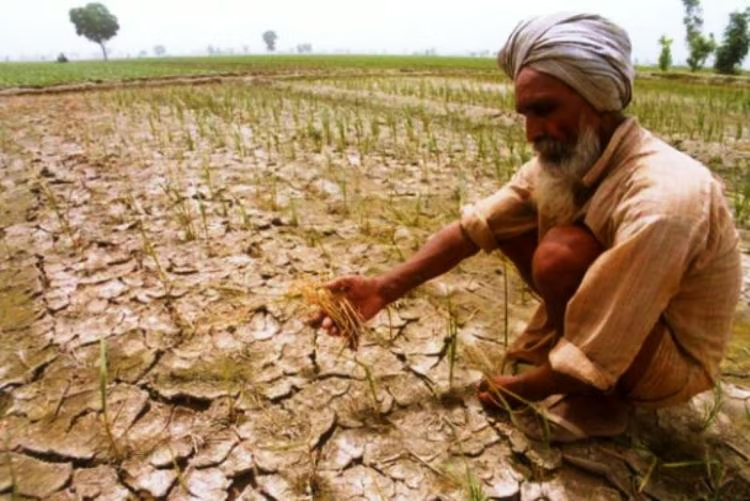
  • Drought Incidence: Maharashtra has experienced at least 15 droughts from 1960 to 2026, with the 1972 drought being unprecedented.
  • Impact of 1972 Drought: Affected 75-80% of Maharashtra's population (approximately 1.8-2 crore people). Key regions impacted included Marathwada and Vidarbha.
  • Historical Population Growth: Mumbai's population surged by approximately 3.5 lakh during the 1972 drought due to mass migration from rural areas.
  • Government Response and Schemes

    • Employment Guarantee Scheme (EGS):

      • Introduced in March 1972 based on the principle that work is a fundamental right.
      • Provided alternative employment through public works (water conservation, well digging, etc.) for those affected by agricultural losses.
      • Initially enrolled nearly 15 lakh participants, ultimately absorbing around 1 crore workers.
      • Post-crisis, the EGS Act of 1978 mandated timely job provision, later influencing the Mahatma Gandhi National Rural Employment Guarantee Act (MGNREGA) of 2005.
    • Supplemental Nutrition Program:

      • Provided "sukdi," a calorie-rich food supplement, utilizing substandard imported wheat amidst domestic shortages.
    • Public Distribution System (PDS):

      • Became crucial for providing essential grains through fair-price shops during the 1972 crisis.

    Current Scenario

    • El Niño Impact: Current agricultural forecasts predict severe drought conditions in Maharashtra, potentially worse than 1972.
    • Current Drought Assessment: Out of 36 districts in Maharashtra, 21 are already logging significant rainfall deficits.

    Expert Opinions

    • Water Conservation Challenges: Experts like Pradeep Purandare highlight failures in contemporary water conservation efforts, accusing the state of utilizing outdated irrigation methods incompatible with current demands.

    Constitutional and Policy References

    • Fundamental Rights: EGS reflects Article 21 (Right to Life) as it addresses employment as a fundamental aspect of livelihood.
    • Government Schemes: EGS and its evolution into MGNREGA underline progressive governmental responses toward employment and rural empowerment.

    Economic Indicators

    • Financial Investment: In 1972, over Rs 200 crore was allocated to the EGS.
    • Long-term Economic Impact: The drought significantly challenged the cooperatively-driven agricultural economy of Maharashtra.

    Environmental Context

    • Agricultural Vulnerability: Maharashtra's agriculture, heavily rain-fed, is particularly susceptible to climate variations influenced by phenomena such as El Niño.
    • Biodiversity Impact: Drought conditions could threaten local biodiversity and farming communities reliant on agriculture.

    Inflection Points

    • The drastic measures taken during the 1972 drought laid foundational policies that presently inform disaster management and agricultural policies in India.

    Conclusion

    Maharashtra’s struggle with droughts historically underscores the importance of robust government intervention in crisis management and the ongoing necessity for innovations in water conservation and agricultural resilience strategies. Current climatic threats demand renewed attention to historical lessons and reforms in agricultural policy.

    Ayurveda and Environmental Conservation Initiative
    Environment and Ecology25-Sep-2026

    Ayurveda and Environmental Conservation Initiative

    Exam-Focused Notes on Ayurvedic and Environmental Initiative in Aravalli

    Initiative Overview:

    • A collaborative project between Akhil Bharatiya Ayurveda Sansthan (AIIA), New Delhi, and 132 Infantry Battalion (Territorial Army) Eco Rajput.
    • Objective: Planting of 10,000 Ashwagandha (Withania somnifera) plants and scientific monitoring in the Terriers Herbal Garden, Bhatti Mines, South Delhi.

    Key Details:

    • Date of Event: September 24, 2026.
    • Leaders of the Initiative:
      • Prof. (Vaidya) Pradeep Kumar Prajapati, Director, AIIA.
      • Colonel Mohan Singh, Commanding Officer, 132 Infantry Battalion.

    Scientific and Environmental Focus:

    • The initiative integrates traditional Ayurvedic practices with scientific research and biodiversity conservation.
    • Regular monitoring and documentation of Ashwagandha growth to understand its adaptation to local climatic and environmental conditions.
    • Aims to strengthen the relationship between Ayurveda, nature, and sustainable development.

    Importance of Ashwagandha:

    • Recognized as a significant medicinal plant in Ayurveda.
    • The initiative will contribute to biodiversity conservation and knowledge creation regarding medicinal plants.

    Roles and Responsibilities:

    • Technical Support: AIIA tasked with providing technical assistance for the proper maintenance and management of the herbal garden.
    • Involvement of faculty and Ph.D. researchers from AIIA in the project.

    Environmental Significance:

    • The Bhatti Mines area is part of the South Ridge and Aravalli landscape, which has been affected by mining activities.
    • The project focuses on green restoration and replanting in degraded areas, promoting ecological balance.

    Existing Biodiversity at the Site:

    • The herbal garden already hosts around 200 species of medicinal and Ayurvedic plants, including Harshringar, Amla, and Aloe Vera.

    Government Policies and Campaigns:

    • The initiative aligns with the objectives of the National Medicinal Plant Board (NMPB) under the Ministry of AYUSH.
    • The NMPB runs the "Ashwagandha—A Health Promoter" campaign to raise awareness about the health benefits of Ashwagandha.

    Constitutional and Policy Context:

    • The initiative reflects the Directive Principles of State Policy (DPSP) in promoting sustainable development and environmental protection (Article 48A - Protection and improvement of environment and safeguarding of forests and wildlife).
    • Emphasizes the integration of traditional knowledge with modern scientific approaches, supporting the Cultural Rights as per Article 29 of the Constitution.

    Goals of the Initiative:

    • To foster scientific research related to medicinal plants.
    • To enhance biodiversity conservation efforts and develop an environmentally friendly ecosystem.

    Conclusion: This initiative serves as a bridge between traditional Ayurvedic knowledge and contemporary scientific research, promoting environmental restoration and biodiversity conservation in the Aravalli region.

    Bengaluru's Hebbal Tunnel Biodiversity Impact
    Environment and Ecology24-Sep-2026

    Bengaluru's Hebbal Tunnel Biodiversity Impact

    Summary of Bengaluru’s Hebbal Short Tunnel Project Impacts

    Environmental Concerns

    • Biodiversity Impact:

      • Over 70 tree species among the 1,128 trees within a 2.2-km stretch designated for felling for the Hebbal short tunnel project.
      • Notable species include Indian Kino, Big-leaf Mahogany, Beleric Myrobalan, and Yellow Tabebuia.
    • Microclimate Changes:

      • Experts predict felling will lead to a temperature increase of at least 2 degrees Celsius and create heat islands affecting a 2-km radius around the area.
      • Potential destruction of habitats, oxygen banks, and direct impact on underground water levels due to loss of tree cover.
    • Citizen Concerns:

      • More than 20,000 signatures have been gathered on a petition opposing the project, advocating for a pause and independent environmental assessments.
      • Calls for greater transparency in the public objection process, with demands for detailed lists of affected trees to facilitate meaningful objections.

    Government and Legal Framework

    • Greater Bengaluru Authority (GBA):

      • Issued a public notice on September 20, inviting public objections to the proposed tree felling but faced criticism for not uploading specific tree details.
    • Financial Aspects:

      • The project budget is approximately ₹1,140 crore.

    Urban Planning Implications

    • Urban landscapes, such as that of Bengaluru, have previously retained significant green spaces, making the number of species within this area notably high.
    • The Hebbal region is characterized by prior environmental degradation, raising additional concerns regarding urban heat and quality of life deterioration.

    Public Response and Activism

    • Environmental activists and citizen groups have criticized the GBA for negligence in handling the objection process.
    • Advocates stress the importance of preserving the "green-blue landscape" of Bengaluru for ecological balance and urban sustainability.

    Key Concerns for Examination

    • Environmental Legislation: Awareness of laws governing tree felling, urban planning, and preservation of green spaces.
    • Public Participation: Understanding mechanisms for citizen engagement in urban development projects.
    • Climate Impact Assessments: The significance of independent assessments for evaluating environmental impacts of major infrastructure projects.
    • Sustainable Urban Development: Challenges and strategies in balancing development needs with environmental protection and urban ecology.

    This summary consolidates crucial facts, figures, and stakeholder perspectives related to the Hebbal short tunnel project, emphasizing its environmental, financial, and regulatory dimensions.

    New Species Discoveries in Recent Years
    Biodiversity24-Sep-2026

    New Species Discoveries in Recent Years

    • New Species Discoveries: Recent findings include:

      • Leopardus tilcayo: A new species of wild cat discovered in Bolivia, marking the first feline species identification in 100 years.
      • A new species of penguin discovered in subantarctic islands, also the first in a century.
      • A new snake species named after the guitarist Slash in New Guinea.
    • Biodiversity Trends: According to a 2025 University of Arizona study, 15% of all known species have been identified in the last 20 years, indicating an increased pace in species discovery.

    • Conservation Focus: Despite new discoveries, many go unnoticed outside scientific circles, highlighting the necessity to recognize and celebrate biodiversity more broadly.

    • Anthropocentricism: The narrative suggests a shift away from human-centered views of the world, signaling an increasing need to value biosphere diversity.

    • Importance of Biodiversity: The discoveries underscore the richness of the biosphere and the ongoing need for scientific and conservation efforts to understand and protect it.