iAspirants
Indigenous Farming Practices in Nagaland
Published on:
Share this post
Article Summary
Summary of Indigenous Soil and Water Management Study on Angami Community, Nagaland
Key Findings:
- The study by a team from Nagaland University investigates the sustainable terrace farming practices of the Angami community.
- Published in the Sage journal, it highlights the ecological adaptability and cultural resilience of the Angami farming methods, contributing to food production and environmental stewardship.
Farming Practices:
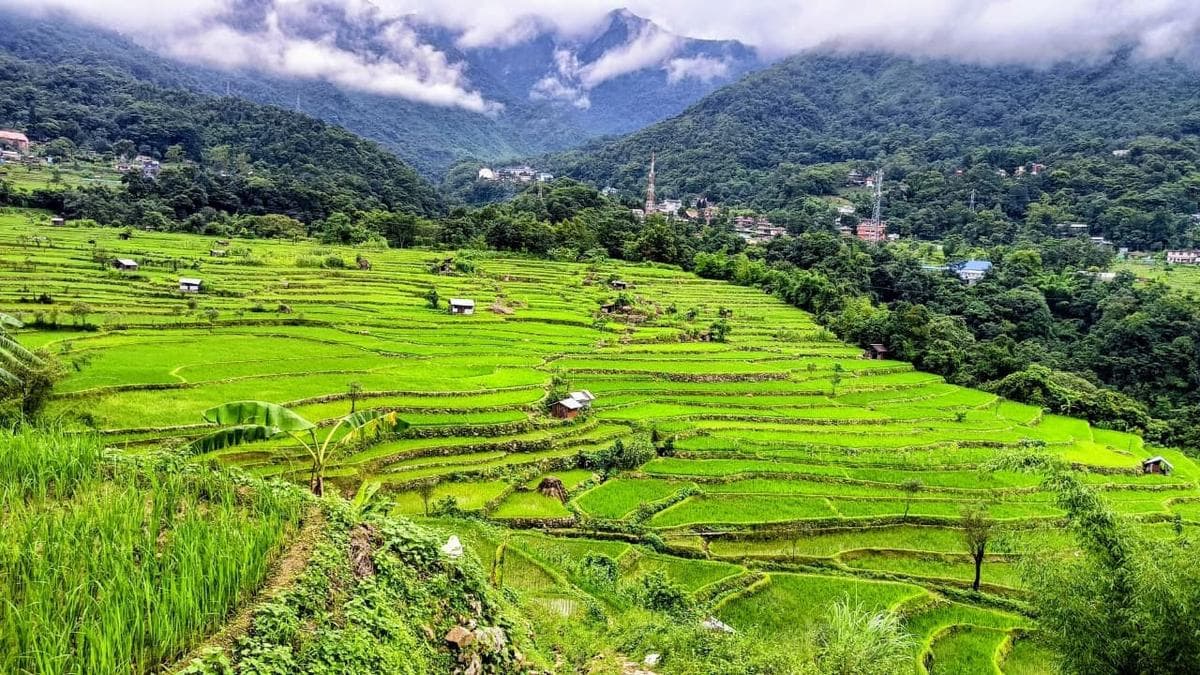
- Bench Terraces: Angami farmers construct bench terraces for paddy cultivation on steep slopes, which contrasts with the prevalent slash-and-burn practices in Northeast India's mountainous terrain.
- Use of traditional construction methods that minimizes soil erosion and enhances water management.
- Emphasis on organic inputs instead of chemical inputs, which aims to protect both the environment and human health.
Cultural and Ecological Insights:
- The study notes that Angami farmers maintain farming practices closely tied to natural cycles, using signs from nature (e.g., plant bloom times, bird behaviors) to guide agricultural activities.
- It emphasizes the synergistic relationship between traditional ecological practices and community life that supports the endurance of terrace cultivation.
Challenges Identified:
- Adaptability to changing rainfall patterns and climate variability are highlighted as emerging challenges for Angami farmers.
- The importance of the adaptive capacity of indigenous knowledge systems is underscored to confront these challenges.
Policy Implications:
- Results of the study are expected to inform development policies to protect the distinct agricultural practices of indigenous communities, ensuring they can continue their culturally sensitive agricultural methods.
Impact and Significance:
- This research contributes to a broader understanding of indigenous agricultural practices, potentially influencing future agricultural policies and projects in the region.
- It also showcases the integration of indigenous ecological knowledge in sustainable agriculture, which could serve as a model for other communities facing similar challenges.
Constitutional & Legal Context:
- The insights connect with Article 21 of the Indian Constitution, which ensures the right to life, including the right to a sustainable environment.
- The practice acknowledges the principles enshrined in the Directive Principles of State Policy, promoting ecological balance and sustainable development.
Conclusion:
The study provides a crucial insight into the resilient agricultural practices of the Angami community, advocating for their preservation amidst modern agricultural pressures. This aligns with broader governmental and ecological goals of sustainable food systems and environmental conservation.
Key Terms & Concepts
| Angami community | Indigenous group practicing agriculture |
| Nagaland University | Conducted the study |
| Sage journal | Published the research |
| bench terraces | Farming technique for paddy cultivation |
| soil erosion | Environmental concern mitigated |
| organic inputs | Used for protecting health and environment |
| changing patterns of rainfall | New challenge for farmers |
| indigenous knowledge systems | Adaptive capacity for agriculture |
| June 16, 2026 | Date of publication |