iAspirants
Innovation in Alternative Fuel Technologies
Published on:
Share this post
Article Summary
Summary of Key Developments in Alternative Fuel Source Research
Research and Development:
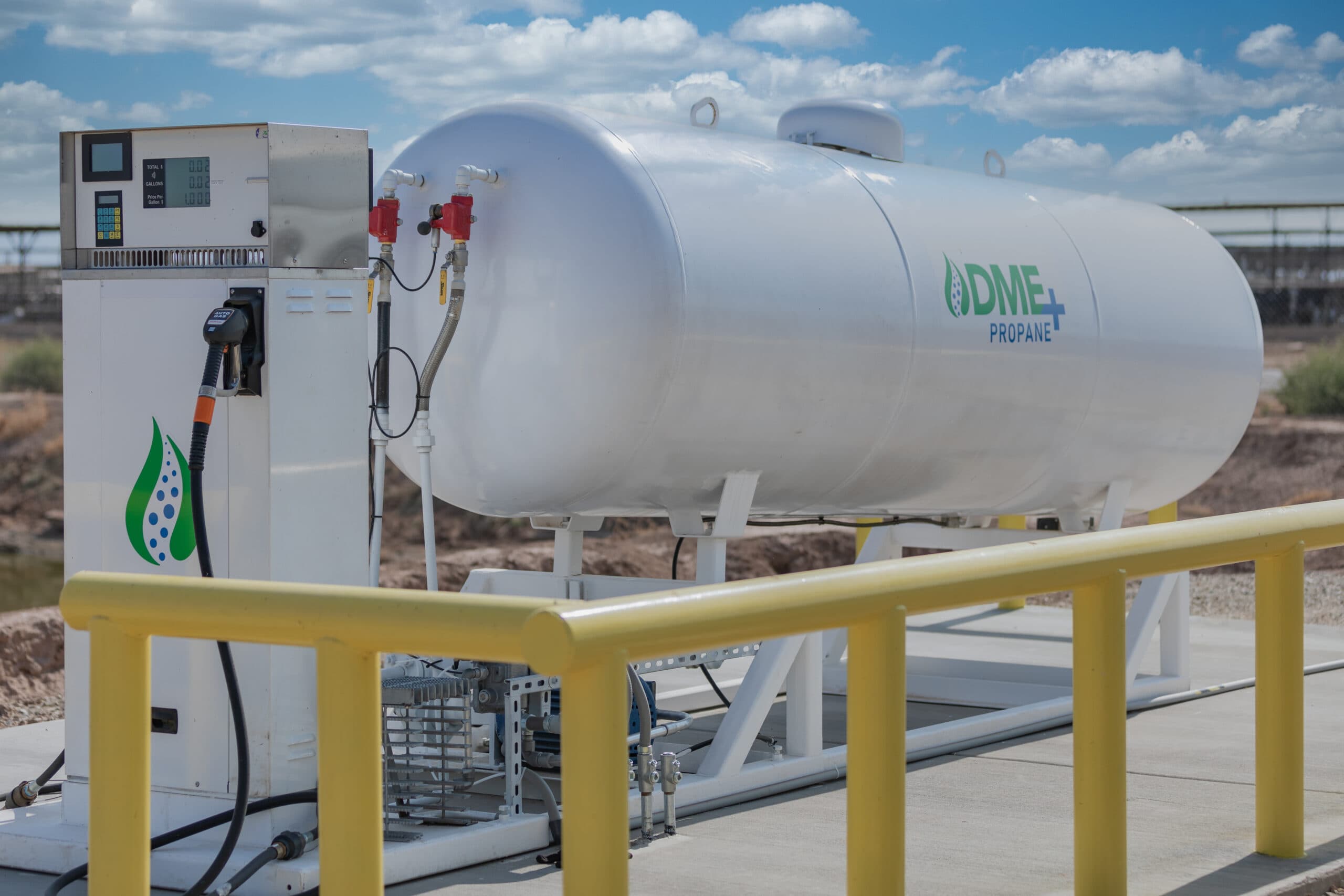
- CSIR – National Chemical Laboratory, Pune, led by Senior Principal Scientist Raja Thirumalaiswamy, is advancing technology to produce Dimethyl Ether (DME) as an alternative to Liquefied Petroleum Gas (LPG).
- The research has been ongoing since 2016, leading to partnerships with seven companies and interest from four countries, including Finland and Ghana.
Production Capacity:
- Initial production started at 500 milligrams per day, scaling up to 2,500 kg/day.
- A collaboration with ONGC to produce 2.5 tonnes/day at its Hazira facility.
Patents and Certifications:
- The team holds five patents for their method of producing DME from methanol, with specific patents related to the catalyst being awarded in 2019.
- The catalyst has been certified by IOCL Research and Development, Attrium Innovations, and ONGC.
Technical Details:
- The new catalyst is designed to operate at lower temperatures and pressures (10 bar), demonstrating greater purity and reduced operational costs.
- Cooking stoves designed for both LPG and DME have been engineered to operate with 74.5% efficiency, outperforming conventional stoves which typically operate at 64%-68%.
- DME can be blended with LPG (up to 20%) without requiring changes to standard household stoves.
Challenges Addressed:
- The catalyst is able to withstand sulphur levels that may arise from coal gasification, which could increase its applicability in diverse environments.
- Continuous testing for over 15,000 hours ensures durability and performance reliability.
Implications:
- Transitioning to DME could present a cleaner energy alternative, mitigating reliance on traditional fossil fuels amidst global fuel crises, particularly given the current geopolitical tensions in West Asia.
Constitutional and Policy Context:
- The push towards alternative fuels aligns with the objectives outlined in the Constitution of India, particularly under the Directive Principles of State Policy (DPSP) aiming for sustainable development (Article 48) and environmental protection.
- Initiatives such as this contribute towards India’s energy security and sustainability goals as outlined in various government policies.
Significance for Future Research:
- This development indicates a significant step towards innovative fuel solutions, with possibilities for further international collaboration and technology transfer, enhancing global efforts in energy diversification and environmental conservation.
These advancements illustrate the intersection of science and sustainable practices, offering a promising pathway for the future of energy consumption in India and beyond.
Key Terms & Concepts
| CSIR – National Chemical Laboratory | Research institution developing DME technology |
| Dimethyl Ether (DME) | Alternative fuel to LPG |
| 500 milligrams to 2500 kg/day | Scale of DME production |
| ONGC | Partner for DME production |
| 2.5 tonnes/day | Production target with ONGC |
| Patents | Protection for DME catalyst technology |
| 2019 | Year of catalyst patent issue |
| 74.5% efficiency | Efficiency of new cooking stoves |
| 64% to 68% efficiency | Efficiency of regular stoves |
| 15,000 hours | Trial duration for catalyst |
| Sulphur tolerance | Feature of DME catalyst |
| Four countries: Finland, Ghana | International interest in DME tech |