iAspirants
Innovative Conservation Tech in India
Published on:
Share this post
Article Summary
The Habitats Trust (THT) Overview and Conservation Efforts
Organization Background:
- Founded in 2018 by Roshni Nadar Malhotra, THT is a nonprofit aimed at protecting India’s natural habitats and biodiversity, focusing on lesser-known species and habitats.
- Director: Rushikesh Chavan, with over 25 years of experience in conservation.
Focus Areas:
- Targets biodiversity loss, climate crisis, and water scarcity.
- Develops technological solutions for conservation challenges.
- Collaborates with over 120 partners across six lakh hectares of land.
Grant Support:
- Provides financial assistance ranging from ₹3 lakh to ₹1 crore.
- Engages in direct project execution when no partners are identified for pressing issues.
Collaboration with Government:
- Works with Maharashtra's MITRA think tank to integrate ecological concerns into regional planning (e.g., the Vidarbha plan).
Technological Innovations in Conservation
Conservation Technology:
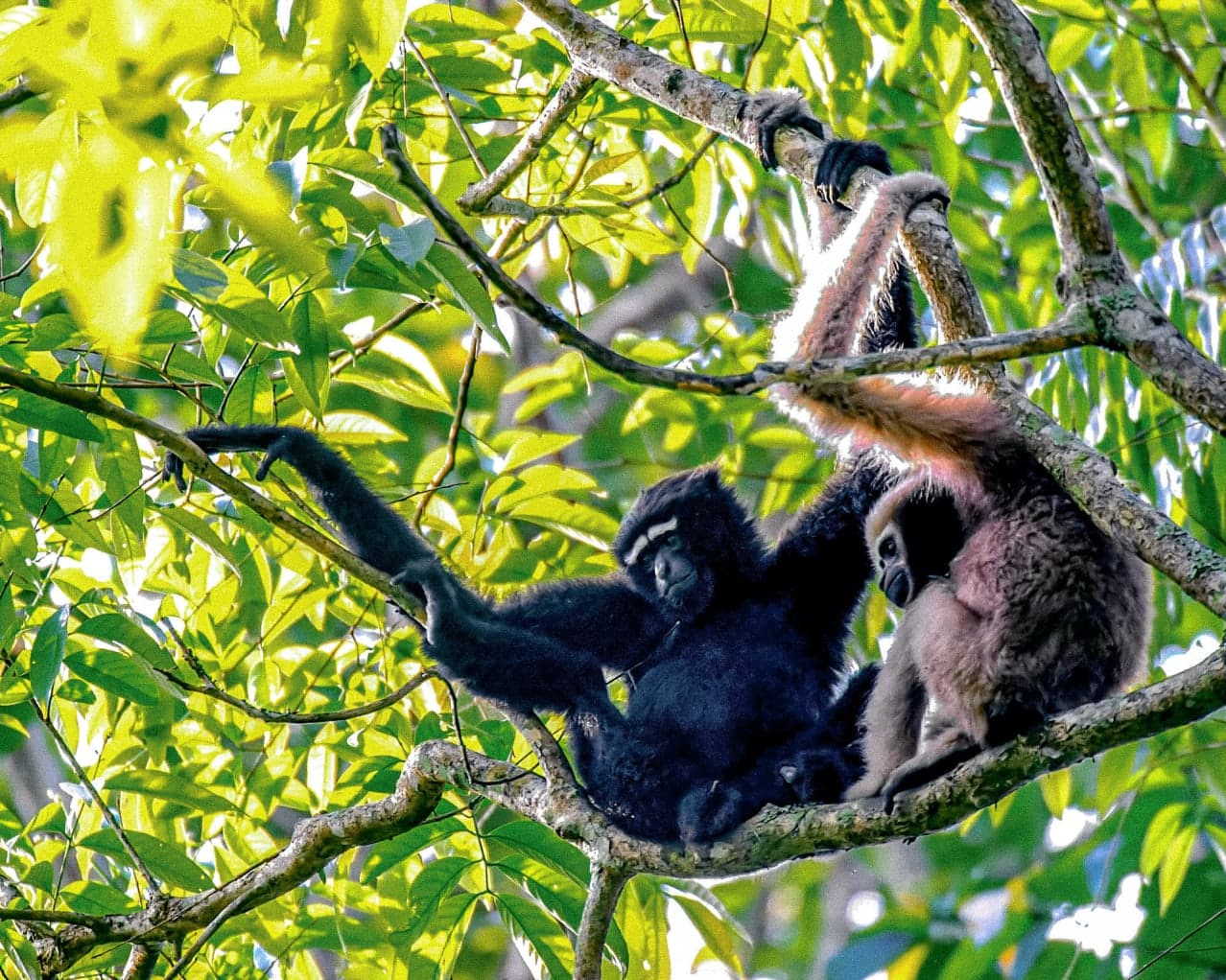
- Utilizes high-tech solutions such as acoustic recorders to monitor species like the Hoolock Gibbon.
- Employs satellite radio collars and thermal drones for tracking the endangered Indian wolf.
AI and Machine Learning Applications:
- Develops AI models to analyze acoustic data for species identification.
- Implements GIS and large-scale data modeling in collaboration with NITI Aayog for ecological and economic integration.
Innovative Tools:
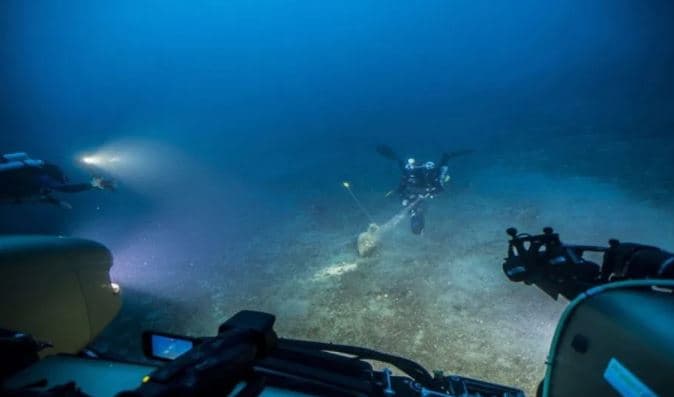
- ROV (Remotely Operated Vehicle): For exploring marine ecosystems up to 200 metres depth.
- Multi-directional Microphone Array: To enhance acoustic monitoring accuracy.
- Camera Trap Image-Sorting Platform: Automates processing of wildlife data and facilitates species identification.
Global Tech Innovations in Conservation
Conservation Startups:
- Conservation X Labs: Uses AI to combat poaching and habitat loss.
- EarthRanger: Integrates real-time data for wildlife monitoring and habitat protection.
Key Innovations:
- Acoustic tracking systems for elusive species, thermal imaging drones for nocturnal behavior monitoring, and auto-classification technologies for camera traps.
Challenges in Conservation Technology
Cost and Accessibility:
- High costs limit widespread implementation of conservation technologies in India.
- Emphasis on making technologies more cost-effective and accessible.
Scalability Issues:
- Startups often face difficulties in sustaining viable business models within the conservation tech space.
Local Adaptation:
- Technologies must be tailored to varying ecological and governance contexts across different regions in India.
Future Opportunities
Pollution Monitoring with AI:
- AI could address pollution through satellite imagery for real-time contamination assessments.
Automated Intervention Systems:
- Development of automated systems for invasive species removal and environmental restoration.
Decision-Support Systems:
- AI-powered dashboards for integrated monitoring and management of conservation efforts.
Conclusion The efforts of The Habitats Trust highlight the integration of advanced technology into conservation strategies, promoting ecological sustainability while addressing biodiversity challenges. Collaboration between governmental bodies, research institutions, and innovative startups is crucial for effective implementation and scalability of conservation initiatives.
Key Terms & Concepts
| The Habitats Trust (THT) | Nonprofit conserving natural habitats |
| MITRA | Policy think tank in Maharashtra |
| Hoolock Gibbons | Endangered primate species |
| AI and Machine Learning | Tech for data processing |
| Acoustic Microphone Array | Technology for species tracking |
| Remotely Operated Vehicles (ROVs) | In-depth marine research |
| Thermal Imaging | Monitoring nocturnal species |
| NITI Aayog | Policy formulation and implementation |
| Kaziranga Tiger Reserve | Wildlife preservation area |
| EarthRanger | Wildlife monitoring software |
| Global water scarcity | Major environmental challenge |
| Conservation Behaviour Science | Policy think tank concept |