iAspirants
Innovative Research on Dementia in India
Published on:
Share this post
Article Summary
Summary Notes on Centre for Brain Research (CBR) and Dementia Research in India
Demographic Context:
- By 2030, India's elderly population is projected to reach 340 million, with 7.4% affected by dementia.
- India is transitioning towards an ageing society, posing significant public health challenges.
Focus of Research:
- The Centre for Brain Research (CBR) is dedicated to studying age-associated brain disorders and dementia.
- Emphasizes the need for early detection of dementia, a condition often confused with normal aging, and aims to develop composite biomarkers for this purpose.
Key Research Goals:
- Understanding the progression of dementia and identifying interventions that can prevent or delay its onset.
- The research aims to create lifestyle-based interventions—exercise, diet, and sleep—that can mitigate dementia risk in the absence of effective drugs.
Methodology and Data Collection:
- CBR utilizes machine learning and AI to analyze vast amounts of health data.
- The centre has established urban and rural cohorts, with the urban cohort targeting 1,000 participants and the rural cohort aiming for 10,000 participants, both to follow health trends over time.
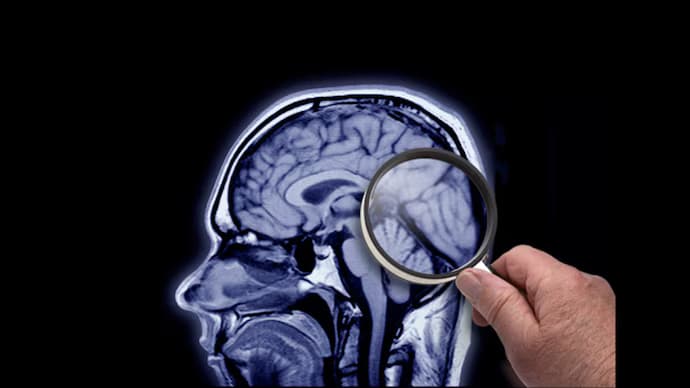
- Participants undergo extensive assessments, including neurocognitive evaluations and imaging techniques.
Challenges Identified:
- A significant gap in dementia research specific to the Indian population is noted, particularly due to underrepresentation in global datasets.
- Comorbidities like diabetes and hypertension, which manifest earlier in the Indian demographic, contribute to rising dementia risk.
- Retention of participants in longitudinal studies poses challenges due to aging and relocation.
Technological Innovations:
- Emphasis on digital biomarkers for continuous monitoring of cognitive health using devices to track speech and movement patterns.
- Efforts are underway to develop portable and cost-effective diagnostic tools, including blood-based tests for dementia markers.
Collaboration and Data Integration:
- There is an initiative to connect with hospitals and wellness centers nationwide to standardize cognitive assessments as part of general health data collection.
- Aim to create a national repository of cognitive health data that integrates existing patient information across various healthcare settings.
Opportunities & Future Directions:
- The focus is on developing non-pharmacological interventions that are personalized for individuals based on their unique health profiles.
- Collaborations with other research groups aim to enrich datasets to support a comprehensive understanding of factors influencing dementia.
Startups & Research Innovations:
- Established companies are leading the charge in blood-based biomarker research, while startups are exploring diagnostic tools based on speech and movement analysis.
- Innovations are also being considered in low-field MRI technologies to broaden access to brain imaging in underserved regions.
Conclusion:
- The CBR aims to advance the understanding of dementia risk within the Indian context and create effective, tailored interventions that address the intersecting health concerns faced by the ageing population.
- The integration of advanced data analysis methods such as AI highlights a promising direction for early detection and intervention strategies in brain health.
Key Terms & Concepts
| Centre for Brain Research (CBR) | Research organization for brain disorders |
| IISc Bengaluru | Institution hosting CBR |
| Pratiksha Trust | Funding source for CBR |
| Kris Gopalakrishnan | Founder of Pratiksha Trust |
| dementia | Major public health challenge |
| 340 million | Projected elderly population by 2030 |
| 7.4% | Percentage of elderly affected by dementia |
| Alzheimer’s disease | Common form of dementia |
| 2024 | Year of new drug approval |
| Tata Trusts | Support for urban cohort |
| 1,000 participants | Size of urban cohort study |
| Kolar district | Location for rural cohort study |
| 10,000 participants |