iAspirants
Innovative Research on Whale Health
Published on:
Share this post
Article Summary
Summary of Whale Research and Conservation Innovations
Research Methodology:
- A team of scientists developed an innovative method to study whales using drones.
- Researchers collected breath samples from wild whales in Arctic waters between 2022 and 2025, marking the first detection of the cetacean morbillivirus in this region.
- Previous methods involved close proximity sampling from boats, often requiring invasive skin biopsies.
Research Findings:
- The study titled “Deep breath out: molecular survey of selected pathogens in blow and skin biopsies from North Atlantic cetaceans” was published in BMC Veterinary Research.
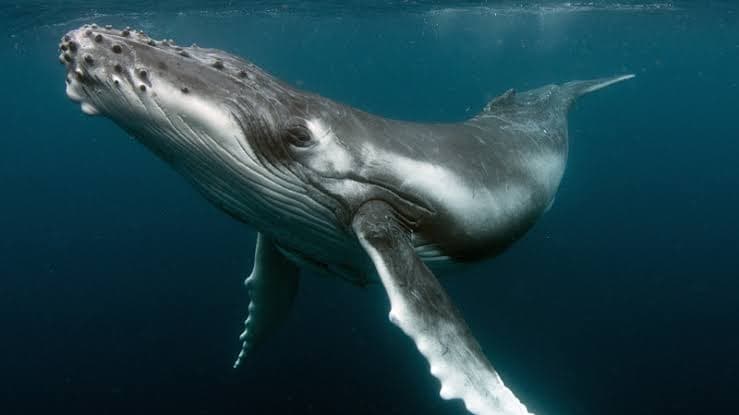
- Whales, such as humpback, sperm, and fin whales, were the subjects of this research, with sample collection locations including northern Norway, Iceland, and Cape Verde.
Virus Details:
- Cetacean Morbillivirus: Infectious among marine mammals, causing respiratory and neurological issues. Linked to mass strandings and deaths since its discovery in 1987.
- The virus transmission occurs via direct contact and respiratory droplets between various marine species.
Data Collection:
- Over 50 blow samples were collected from whales using a drone to capture exhaled air.
- Samples were collected by flying drones over whales just before they blew, using petri dishes attached to the drones to gather the breath.
Significance of Findings:
- The study detected the cetacean morbillivirus in two groups of humpback whales and a sperm whale showing poor health in northern Norway, along with a stranded pilot whale.
- The presence of the virus may indicate underlying gaps in previous surveillance efforts rather than an absence in Arctic waters.
Long-Term Study Goals:
- Researchers aim to collect 30 years’ worth of data to better understand disease dynamics and the effects of environmental stressors, such as climate change and pollution, on marine life.
- Although there are currently no treatment protocols for sick whales, recommendations include modifying shipping routes to minimize stress on affected populations.
Scientific Impact:
- This research showcases the potential of drones as less invasive tools in marine biology and highlights the importance of monitoring wildlife diseases.
Economic and Conservation Implications:
- Findings can inform conservation strategies to protect marine mammals, contributing to biodiversity preservation and ecosystem health.
- Potential economic considerations involve the fishing and shipping industries, which may need to adopt new practices based on research findings to ensure the protection of whales.
Conclusion: The innovative use of drones in wildlife research offers a promising avenue for studying elusive species like whales while allowing non-invasive methods to collect critical health data, contributing to conservation efforts and better understanding marine ecosystems.
Key Terms & Concepts
| cetacean morbillivirus | virus found in Arctic waters |
| BMC Veterinary Research | journal publishing the study |
| 2022-2025 | study duration |
| 50 blow samples | samples collected for study |
| Northern Norway, Iceland, Cape Verde | regions of whale habitation |
| 1987 | discovery year of virus |
| marine mammals | species affected by the virus |
| pollutants and climate change | stress factors for whales |
| drone technology | method used for sample collection |
| mass strandings | event linked to the virus |