iAspirants
International Day of Zero Waste Observance
Published on:
Share this post
Article Summary
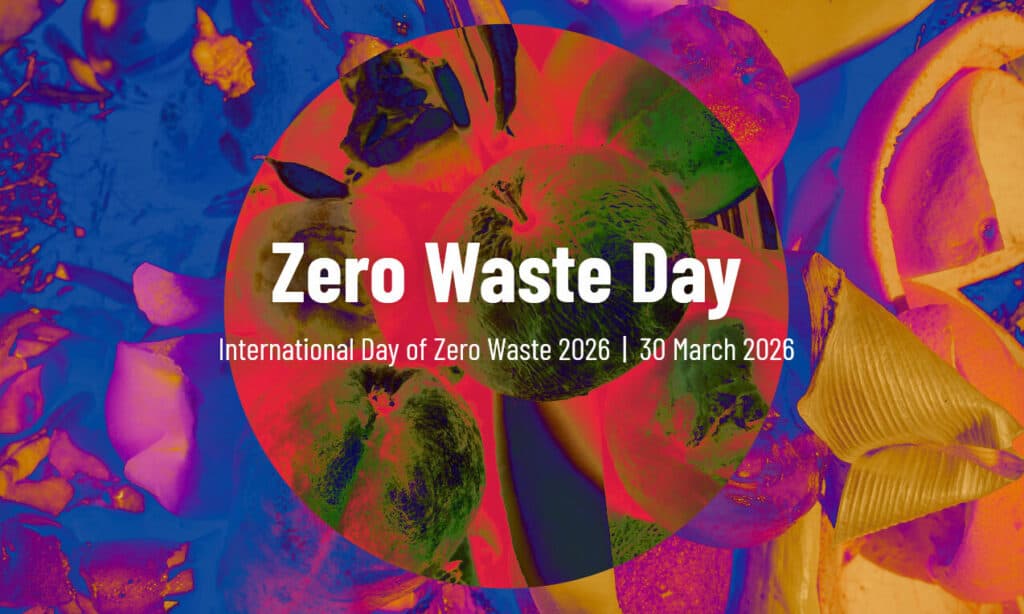
International Day of Zero Waste - March 30
Theme and Context
- Theme: Focuses on food waste, highlighting the contradiction of food scarcity amidst abundant waste.
- Significance: Calls for global attention to food wastage while millions face hunger and malnutrition.
Key Statistics
- Global Food Waste: According to the UNEP Food Waste Index Report 2024, approximately 1.05 billion tonnes of food are wasted annually.
- Households: Account for 60% of global food waste.
- Food Services: Contribute to 28% of the waste.
- Retail: Responsible for 12% of food loss.
Causes of Food Waste
- Post-Harvest Storage Issues: Inadequate storage capacities lead to significant losses.
- Supply Chain Inefficiencies: Systemic inefficiencies in food supply chains exacerbate the wastage.
- Policy Failures: Lack of effective policies to mitigate food loss.
- Cultural Attitudes: Normalization of food discarding within consumption behaviors.
National Implications
- In India, food waste directly impacts farmers and laborers who toil to produce crops that often go unsold or wasted.
- The issue poses challenges for food security and highlights the need for improved efficiency in the agricultural supply chain.
Environmental Considerations
- Food waste poses a burden on environmental resources, generating waste management challenges and contributing to greenhouse gas emissions.
Conclusions
- Addressing food waste requires a multifaceted approach, including better storage solutions, policy reforms, and a shift in public perception toward food consumption and waste management.
Key Terms & Concepts
| International Day of Zero Waste | Annual observance on food waste |
| UNEP Food Waste Index Report 2024 | Report on global food waste statistics |
| 1.05 billion tonnes | Global food waste quantity |
| 60% households, 28% food services, 12% retail | Distribution of food waste sources |
| Post-harvest storage capacities | Linked to food waste issues |