iAspirants
Current AffairsPrelims PYQsUPSC CSE SyllabusUPSC CSE StrategyBlogsPricing
Login
iAspirants

Your AI-powered companion for UPSC preparation.

Quick Links

  • Home
  • About Us
  • Current Affairs
  • Prelims PYQs
  • UPSC CSE Syllabus
  • UPSC CSE Strategy
  • Blogs

Company

  • Pricing
  • FAQs
  • Contact Us
  • Login

Legal

  • Privacy Policy
  • Terms & Conditions
  • Return Policy

© 2025 iAspirants, Inc. All rights reserved.

  1. Blogs
  2. Art and Culture

International Film Festival of Kashmir

Published on: 11-Sep-2026

Share this post

International Film Festival of Kashmir

Article Summary

Notes on the 1st International Film Festival of Jammu & Kashmir (IFFJK)

Event Overview:

  • The first International Film Festival of Jammu & Kashmir (IFFJK) took place over four days, concluding on September 10, 2026, in Srinagar.
  • Featured the screening of 120 films from around 30 countries.
  • Provided a platform for local artists, students, and film enthusiasts to engage with renowned Bollywood filmmakers.

Participants:

  • Notable Bollywood figures included Ramesh Sippy, Vidhu Vinod Chopra, Imtiaz Ali, and others.
  • Local filmmakers and talents engaged in masterclasses and interactive sessions.

Government Support:

  • Omar Abdullah, Chief Minister of Jammu & Kashmir, emphasized the festival's role in connecting local storytellers with the film industry and highlighted its potential to showcase Kashmir's cultural narratives.
  • Union Minister L Murugan pointed out that Jammu & Kashmir is moving beyond just being a shooting location to becoming an active participant in global storytelling.

Cultural Significance:

  • The festival aimed to position Kashmir as not only a beautiful filming location but as a source of creative storytelling.
  • Referred to historical films shot in Kashmir, including ‘Aarzoo’, ‘Kashmir Ki Kali’, and ‘Kabhi Kabhi, which showcased the scenic beauty of the region.

Recognition and Awards:

  • Best Film in the J&K Category: ‘Tasrufdar – The Jinns of Kashmir’ by Kapil Mattoo.
  • Best Female Actress Award: Tanya Maniktala for her role in ‘Arifa’.
  • The festival included performances from artists like Usha Uthup and Gulzar Ganai during the concluding session.

Implications and Future Prospects:

  • The festival is seen as a stepping stone for Kashmir to develop a robust film industry and encourage young filmmakers.
  • It aims to build a platform for local storytelling talent and promote cultural tourism through cinema.

Constitutional Context:

  • The initiative aligns with Directive Principles of State Policy (DPSPs) under Article 51A of the Indian Constitution, promoting artistic and cultural education.

This festival marks a significant step toward recognizing and harnessing regional talent and showcasing the beauty and stories of Jammu & Kashmir on the global stage.

Key Terms & Concepts

1st International Film Festival of Jammu & KashmirHighlighting Kashmir's cinematic potential
120 moviesScreened at the festival
30 countriesParticipating nations in festival
Dal LakeScreening venue for films
‘Tasrufdar – The Jinns of Kashmir’Best Film in J&K category
Tanya ManiktalaBest Female Actress for ‘Arifa’
Omar AbdullahChief Minister of J&K promoting festival
L MuruganUnion Minister discussing cinema's impact

Mind Map for UPSC Civil Services Revision

Turn UPSC Civil Services Current Affairs Into Exam-Ready Notes

Reading Art and Culture current affairs is half the work. Revise them with ready-made notes and test what actually stuck.

  • Daily UPSC Civil Services current affairs analysis
  • Revision notes, mind maps & MCQs
  • Prelims mock tests with instant results

Related UPSC Civil Services Current Affairs Articles

J&K Film Festival Promotes Cinema Culture
National and International Importance09-Sep-2026

J&K Film Festival Promotes Cinema Culture

Jammu & Kashmir International Film Festival Highlights

  • Event: International Film Festival Jammu & Kashmir (IFFJK)

    • Theme: ‘Rang-e-Cinema’
    • Location: INOX Multiplex, Srinagar
  • Duration: Ongoing, four-day festival
  • Attendee: Chief Minister Omar Abdullah

    • Engaged with audiences while watching the film Mirzapur, alongside cast members Pankaj Tripathi and Divyenndu.
  • Cultural Significance:

    • Abdullah stated the presence of filmmakers and artistes strengthens Kashmir's association with cinema and aims to build a vibrant film ecosystem in the region.
    • Emphasis on promoting Kashmiriyat and local culture to external audiences.
  • Historical Context:

    • The INOX multiplex, opened in 2022, marks the first functioning cinema hall in Kashmir in over two decades, following the closure of approximately 15 cinemas in the 1990s.
    • Previous attempts to revive cinema culture in Kashmir had been unsuccessful.
  • Film Festival Statistics:

    • A total of 135 films showcased from 41 countries.
  • Industry Support:

    • Pankaj Tripathi encouraged the filmmaking community in Kashmir to leverage local talent.
    • Divyenndu emphasized the need for local audiences to engage with films and promote local cinema.
  • Key Takeaways

    • The revival of cinema in J&K through initiatives like the IFFJK signals an evolving cultural landscape that may support local filmmakers and boost tourism.
    • The festival represents a significant attempt to re-establish cinema culture in a region previously marked by closures and limited artistic expression.
    72nd National Film Awards Ceremony
    Art and Culture08-Sep-2026

    72nd National Film Awards Ceremony

    Exam-Focused Notes on the 72nd National Film Awards

    Event Overview:

    • Date: September 22, 2026
    • Location: Ekta Nagar, Kevadia, Gujarat
    • Significance: The 72nd National Film Awards will celebrate excellence in Indian cinema, recognizing achievements from the year 2024.

    Historical Context:

    • Established: 1954
    • Purpose: To honor outstanding achievements in various categories of film production, including feature films, non-feature films, and writings on cinema.
    • Cultural Relevance: Reflects the linguistic, cultural, and regional diversity of Indian filmmaking.

    Government Initiative:

    • Ministry of Information and Broadcasting: Decision to hold the National Film Awards outside the national capital to promote regional cinema and foster the spirit of 'Ek Bharat, Shreshtha Bharat'.

    Awards and Recognitions:

    • Best Feature Film: "Article 370"
    • Best Non-Feature Film: "Bhanga"
    • Best Documentary: "Ram-Nami"
    • Best Actor: Mammootty for "Brahmayugam" and Kartik Aaryan for "Chandu Champion"
    • Best Actress: Yami Gautam for "Article 370"
    • Best Debut Director: Randeep Hooda for "Swatantra Veer Savarkar"

    Diversity in Awards:

    • Recognizes films in multiple languages including Marathi, Santhali, Tamil, Malayalam, Telugu, Kannada, Tulu, and Garhwali.
    • Notable Films: "Kaliki 2898 AD", "Amaran", "Pushpa: The Rule Part-02", "Bhool Bhulaiyaa 3", and "Stree 2".

    New Initiatives:

    • For the first time, a Santhali film will be honored in the non-feature film category.
    • Best Writing on Cinema: Awarded to Sanjeev Srivastava for best film critic.
    • Best Book on Cinema: "Naaniruvude Nimagagi, Nadiruvude Nanagagi: Kannada Cinema's Theoretical and Political Dimensions" by Dr. Pradeep Kenchanuru.

    Key Takeaways:

    • The awards aim to foster national integration and celebrate the diversity of Indian cinema.
    • The event emphasizes the government's commitment to promoting regional films and recognizing talent across various languages and genres.
    • The inclusion of new categories and the recognition of regional films highlight the evolving landscape of Indian cinema.

    Conclusion:

    The 72nd National Film Awards will not only honor past achievements but also encourage future creativity in the Indian film industry, aligning with cultural and linguistic diversity while promoting national unity.

    Tribute to Dr. Bhupen Hazarika
    Art and Culture08-Sep-2026

    Tribute to Dr. Bhupen Hazarika

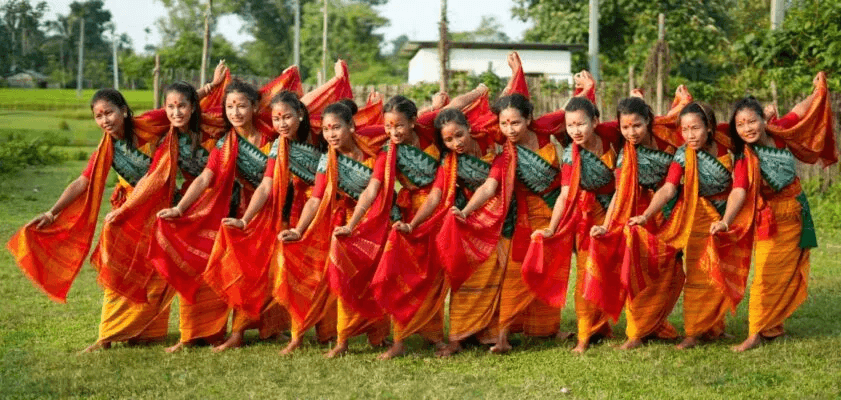
    • Dr. Bhupen Hazarika's 100th Birth Anniversary:

      • Prime Minister Narendra Modi paid tribute to the renowned singer-composer Dr. Bhupen Hazarika on his centenary.
      • Hazarika is celebrated for expressing the essence of Assam and the spirit of Northeast India through his music.
      • PM Modi highlighted that Hazarika's music beautifully conveyed the thoughts and feelings of countless individuals, fostering unity among people.
      • Modi recalled participating in the centenary celebrations in Guwahati the previous year, emphasizing Hazarika's inspirational legacy for future generations.
    • Cultural Significance:

      • Dr. Bhupen Hazarika is recognized as a cultural icon who played a pivotal role in promoting the identity and pride of Northeast India nationwide through his artistic contributions.
    • Government Recognition:

      • The tribute from the Prime Minister signifies the government's acknowledgment of Hazarika's contributions to Indian music and culture, reflecting the importance of preserving and celebrating regional heritage within the national narrative.
  • Social Impact:

    • Hazarika's works are noted for their deep emotional resonance, bridging gaps between diverse communities, and enhancing cultural understanding across India.
  • This summary encapsulates the significant aspects of Dr. Bhupen Hazarika's legacy as recognized by the Indian government, particularly through the tribute by the Prime Minister, highlighting cultural pride and social unity.