iAspirants
International Year for Rangelands 2026
Published on:
Share this post
Article Summary
Exam-Focused Notes on Grasslands and Climate Change:
International Recognition:
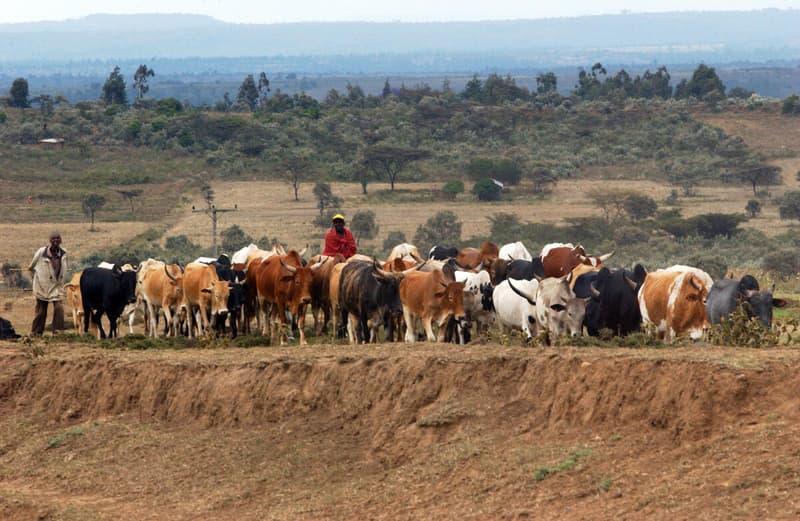
- The United Nations designated 2026 as the International Year for Rangelands and Pastoralists to raise awareness about the significance of these ecosystems.
Scientific Advocacy:
- In 2022, scientists from Tanzania, Zambia, the U.K., U.S., Germany, and Canada urged the UNFCCC to expand climate goals to include all biomes, particularly grasslands and savannahs, highlighting their potential as carbon sinks.
UNFCCC COP30 Highlights:
- Hosted in Belém, Brazil, primarily focused on forests and saw the establishment of the Tropical Forest Forever Facility (TFFF), backed by multimillion-dollar pledges to preserve tropical forests.
- COP30 concluded without a robust plan for broader climate protection, predominantly spotlighting forests over other ecosystems like grasslands.
Grasslands’ Vulnerability:
- Grasslands are among the most threatened ecosystems, facing habitat loss due to agriculture, invasive species, and fossil fuel extraction.
- In Australia, indigenous organizations like the Indigenous Desert Alliance are working to protect desert grasslands using traditional land management practices, highlighting the impact of climate change on indigenous communities.
Biodiversity and Ecosystem Links:
- The Cerrado, Brazil's biodiverse savannah, is critically endangered, losing range due to agricultural expansion and climate change at a rate twice that of the Amazon rainforest.
- The interconnectedness of ecosystems was emphasized at COP30, where discussions about the Cerrado and Amazon highlighted the need for coherent ecological governance.
Legal and Policy Framework:
- The UNCCD COP16 recognized rangelands as vital socio-ecological systems and urged parties to focus on policies and investments to enhance tenure security.
- It was noted that grasslands are underrepresented in climate negotiations compared to forests, necessitating a shift in policy to incorporate grassland protection in national climate plans.
India's Context:
- In India, grassland policies span 18 ministries, each with differing objectives, complicating cohesive action.
- The country’s NDCs (Nationally Determined Contributions under the Paris Agreement) aim for an additional carbon sink of 2.5 to 3 billion tonnes of CO2 through enhanced tree cover by 2030, but often neglect the potential of grasslands.
International Agreements:
- Treaties like the Rio Conventions (UNFCCC, CBD, CCD) seek to integrate climate, biodiversity, and land degradation efforts but require better coordination to address the significance of grasslands.
Recommendations for Future Action:
- A call for integrating grasslands into national climate strategies and treating them as significant biodiversity habitats for their carbon sequestration abilities.
- Recognizing indigenous rights and management practices as essential for the effective conservation of grasslands.
Calls for Multilateral Unity:
- It's crucial for the UN and other global entities to prioritize science-backed, inclusive policies that overcome influences from fossil fuels and agrobusiness in climate negotiations to effectively protect grasslands and support local communities.
This synthesis underscores the urgent need to address the plight of grasslands within the larger context of climate action, biodiversity conservation, and social justice, promoting insights for students on environmental policy and international relations in climate governance.
Key Terms & Concepts
| International Year for Rangelands and Pastoralists | UN declaration for 2026 |
| United Nations Framework Convention on Climate Change | Key climate negotiations framework |
| Tropical Forest Forever Facility | Funding for tropical forest protection |
| Cenchrus ciliaris | Invasive species affecting grasslands |
| Cerrado | Biodiverse savannah under threat |
| COP30 | Climate talks in Brazil |
| Brazil | Home to the Cerrado biome |
| Ashoka Trust for Research in Ecology and the Environment | Research group on ecological issues |
| Nationally Determined Contributions | Country-specific climate action plans |
| UNCCD COP16 | Focus on land degradation neutrality |
| India | Need for unified environmental policy |