iAspirants
Investigating Neem Tree Mortality in Andhra
Published on:
Share this post
Article Summary
Summary of Neem Tree Mortality Investigations in Andhra Pradesh
Context:
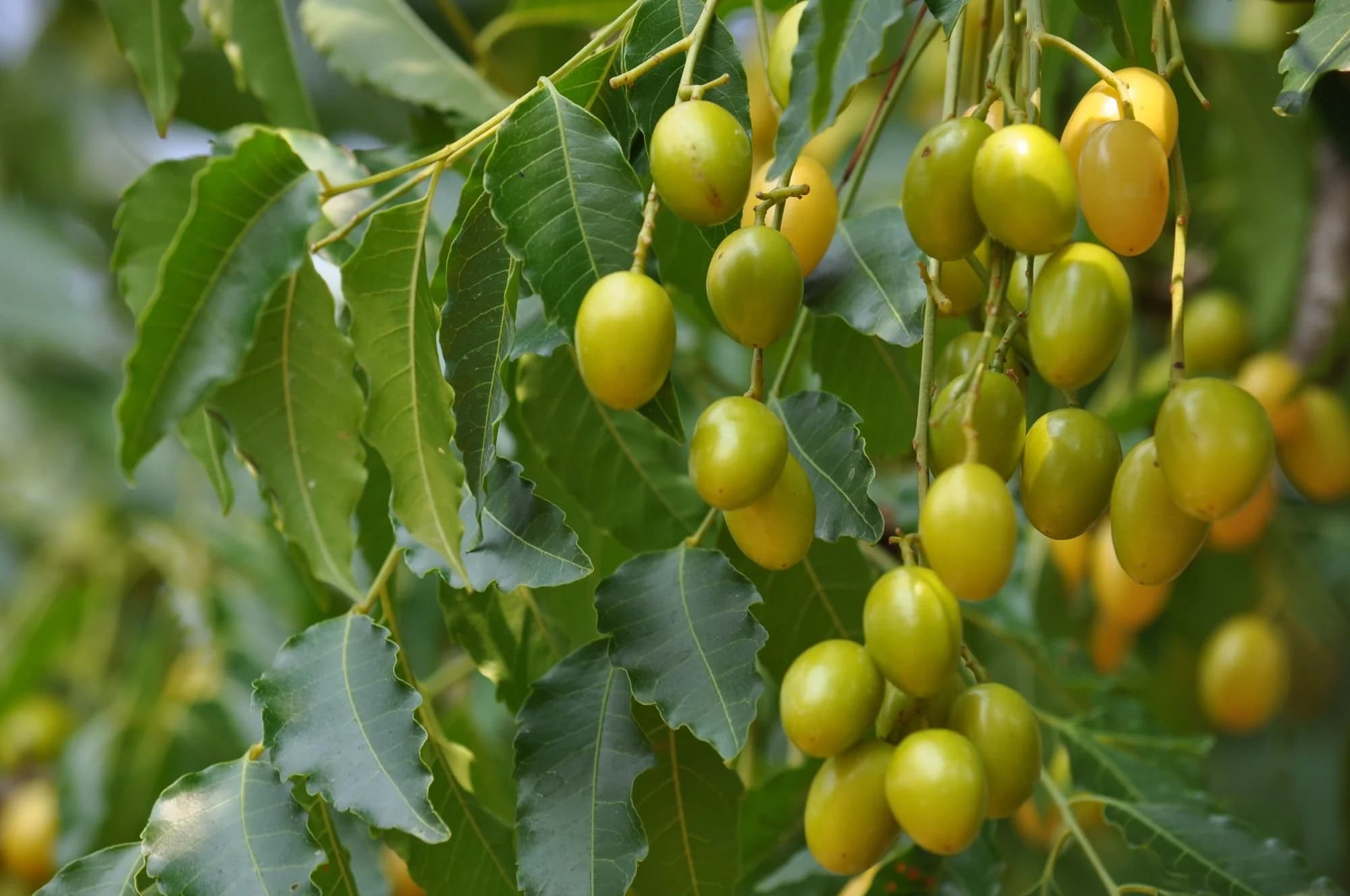
- The increased mortality of Neem trees (Azadirachta Indica) has been reported across various regions in Andhra Pradesh, specifically noted in the West Godavari district and surrounding areas.
Investigative Response:
- Dr. Y.S.R. Horticulture University (Dr.YSRHU), based in Venkataramannagudem, has initiated investigations into these reports.
- The university formed five investigative teams led by principal scientists to examine the issue and identify causes.
Findings:
- The primary cause of the mortality is identified as 'dieback' disease, caused by the fungus Phomopsis Azadirachtae and the Tea Mosquito Bug.
- The disease manifests through the feeding of insects on young leaves and impacts the overall health of the tree, leading to yellowing and browning of leaves and eventual death.
Expert Recommendations:
- Affected trees must have infected twigs and branches pruned back to 10-15 cm below the affected area.
- Removed branches should be burned to prevent the spread of the infection.
- Post-pruning care includes the application of:
- Fungicide: Carbendazim (1 gram per liter)
- Insecticide: Profenophos (2 ml per liter)
- Use of organic manure and neem cake is advised to enhance the tree's immunity.
Community Engagement:
- Residents, along with officials from Gram Panchayats, Municipalities, and Municipal Corporations, are encouraged to monitor the health of neem trees and report any signs of mortality to nearby horticultural institutions or Krishi Vigyan Kendras (KVKs).
Significance:
- Neem trees are significant for ecological balance, their pest-resistant properties, and their various uses in agriculture and traditional medicine.
- Monitoring these trees is important for sustaining local biodiversity and agricultural stability.
Key Facts:
- Disease: Dieback disease
- Fungi Involved: Phomopsis Azadirachtae
- Insect: Tea Mosquito Bug
- Control Measures:
- Pruning 10-15 cm below infected areas
- Application of Carbendazim and Profenophos
- Use of neem cake for soil health
Further Actions:
- Continued research and community awareness programs are essential for the conservation and health of Neem trees in the region.
Key Terms & Concepts
| Neem trees (Azadirachta Indica) | Affected species in investigation |
| Dieback disease | Cause of tree mortality |
| Phomopsis Azadirachtae | Fungus causing infection |
| Tea Mosquito Bug | Insect causing damage |
| Carbendazim | Fungicide for treatment |
| Profenophos | Insecticide for treatment |
| Krishi Vigyan Kendras (KVKs) | Local agricultural support stations |
| Dr. Y.S.R. Horticulture University (Dr.YSRHU) | Research organization conducting investigations |
| May 10, 2026 | Publication date of findings |